Top Five Safari Countries
Assessing the Options
Choosing the best destination for your African safari can feel daunting. In my Ultimate Guide to Planning an African Safari, I briefly introduced some top locations, but you should consider several factors before deciding. Here are some questions you should ask yourself while researching safari destinations:
- Is this your first time on safari?
- Are you travelling alone?
- Are you travelling with children?
- Is wildlife photography important to you?
- What animals do you want to see?
- Are you happy to be in a large group, or do you want a more private experience?
This list goes on, but I will start by covering some of these in relation to five of the top safari countries. You can visit more detailed guides on each country in other posts.
Tanzania
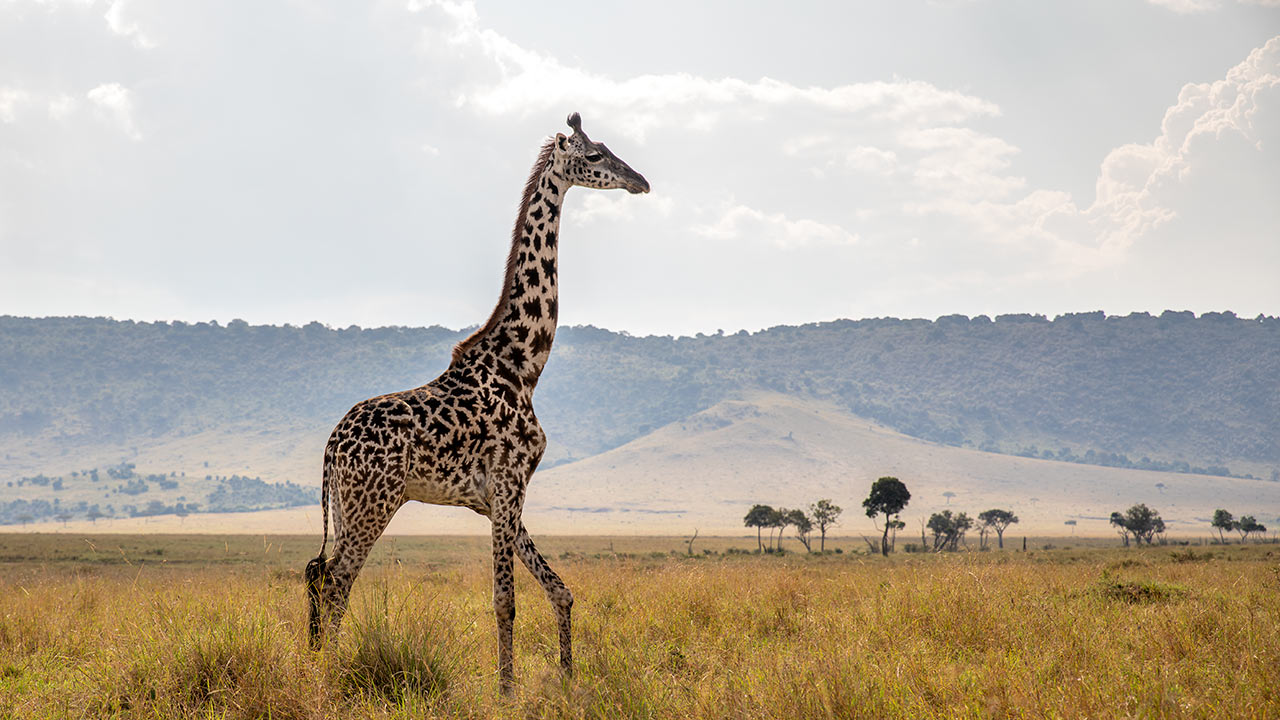
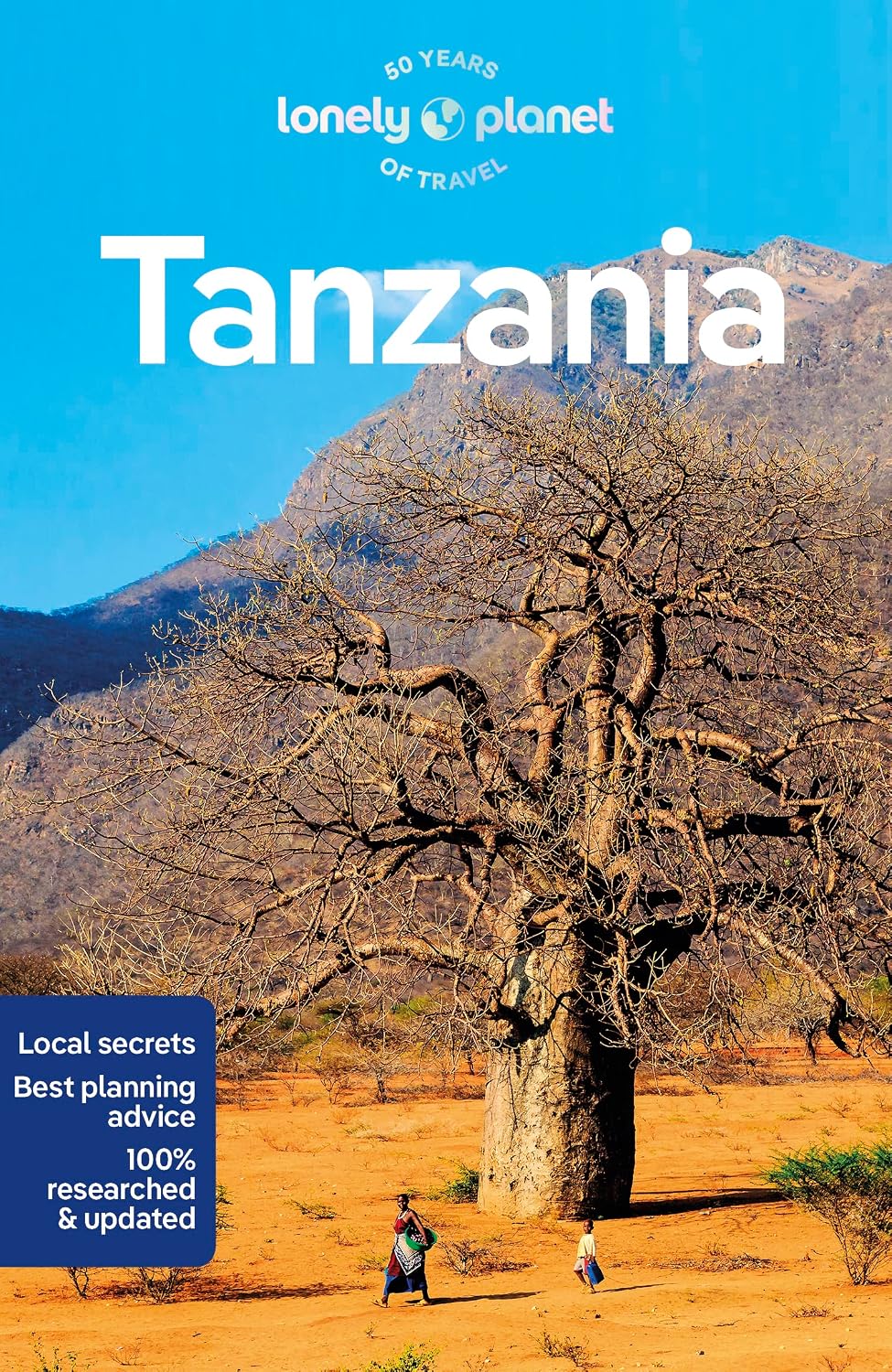
The Serengeti in Tanzania is often the first destination people think of when planning an African safari, as its iconic images capture the essence many envision. The reality is that Africa has many outstanding safari destinations, very different from Tanzania's savannahs. However, Tanzania remains very popular for first-time safari-goers and families.
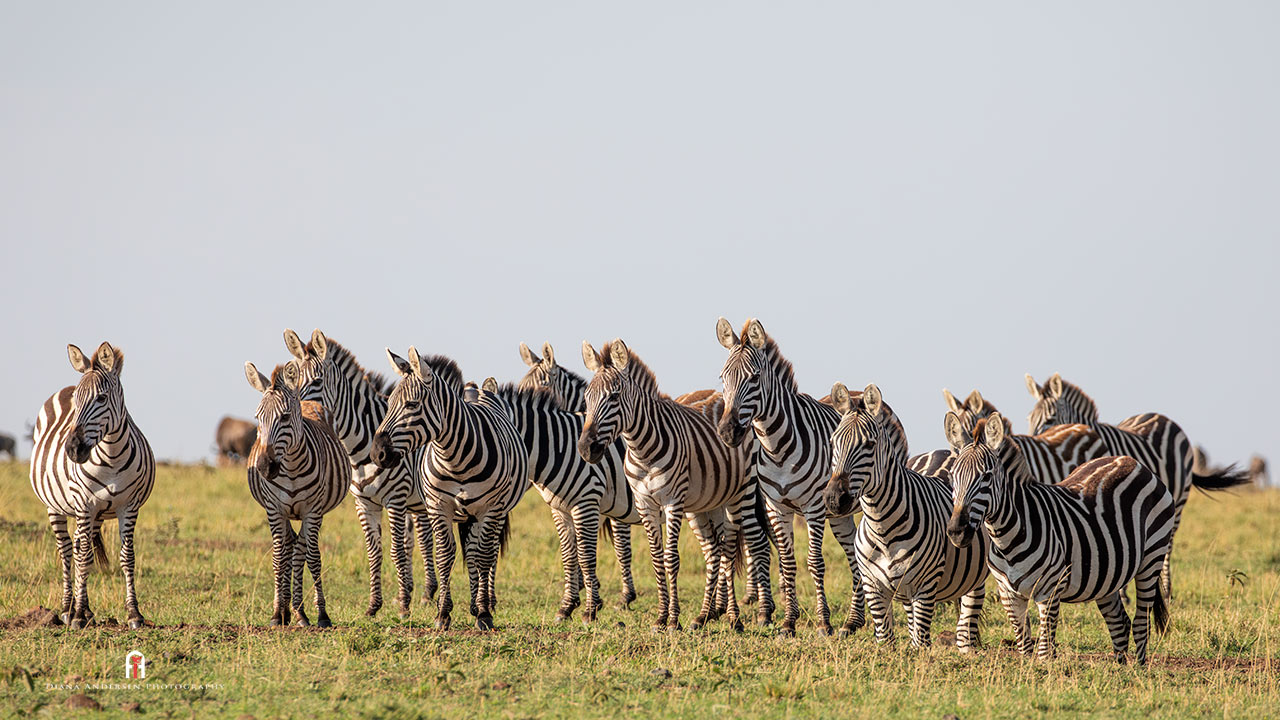
The Great Migration draws thousands of visitors each year to both Tanzania and Kenya. As a result, the country is less appealing to guests who have been on safari before and want a more private, personalised experience. Nonetheless, seeing huge herds of wildebeest, zebras, and gazelles is one of nature's special wonders. The migration also brings great predator sightings and dramatic river crossings at certain points along the journey, which many visitors hope to see. Still, there is no guarantee that you will see a river crossing.
Beyond the Serengeti, other destinations in Tanzania offer great safari experiences that you can easily combine with the Serengeti.
Ngorongoro Crater: The world's largest volcanic crater, formed when an active volcano collapsed inward during an eruption roughly 2.5 million years ago. It now supports a dense population of wildlife, including flamingos in its soda lakes.
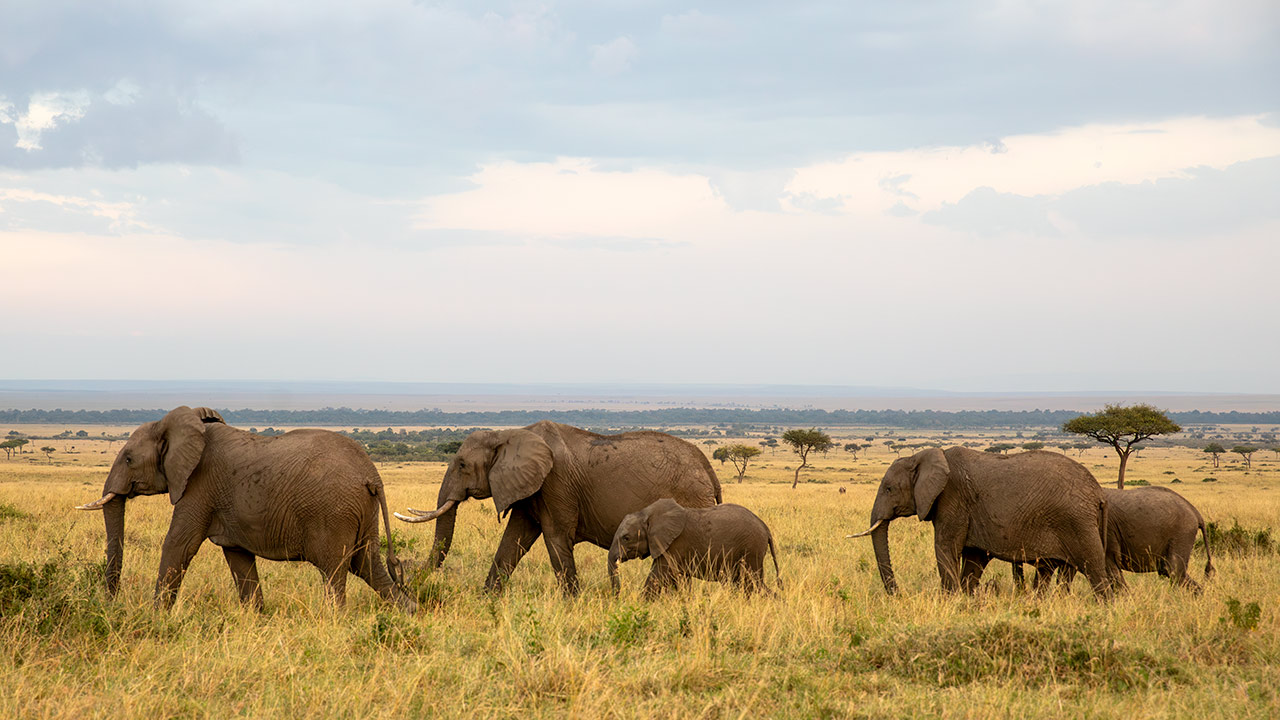
Tarangire National Park: A picturesque region with iconic baobab trees and large elephant herds. This area is recognised for having one of Africa's highest elephant densities. It offers a more tranquil experience compared to the Serengeti and Ngorongoro Crater.
For Photographers
Tanzania offers excellent photographic opportunities to capture iconic landscapes with wildlife, as well as dynamic action shots during the crossings. However, because of the large crowds, serious photographers should consider a specialist photographic safari for the best experience.
Best Features of Tanzania for Safari
- Established tourism infrastructure makes it easier to combine several locations in one safari.
- Good experiences in different seasons, such as calving in Jan - Mar.
Worst Features of Tanzania for Safari
- Can be very crowded in peak season, particularly at river crossings.
- More expensive than Kenya, with higher park and conservation charges. Greater distances from arrival points also add to safari transport costs.
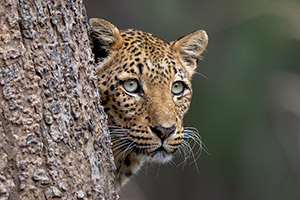
Zambia Photo Safari
Step into the wild and capture Africa at its most spectacular on an exclusive photography tour to South Luangwa, Zambia, led by Diana Andersen.
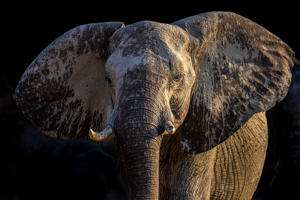
Botswana Photo Tour
Join Diana on an unforgettable photography adventure to Mashatu Game Reserve and Chobe in Botswana, where vast landscapes, dramatic sunsets, and incredible wildlife create the perfect canvas for your camera.
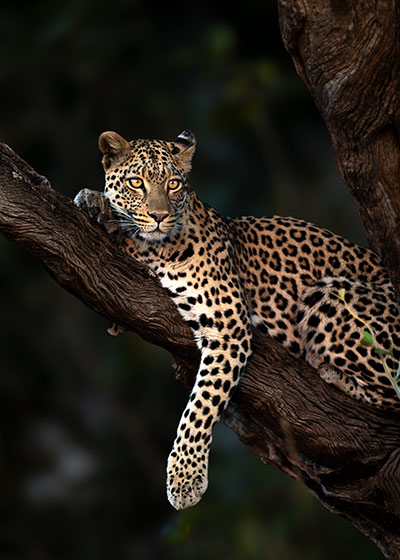
Bespoke Safaris
Let us plan a personalised private safari holiday in Africa, tailored to your interests, budget, and travel style. Top locations, outstanding wildlife experiences.
Kenya
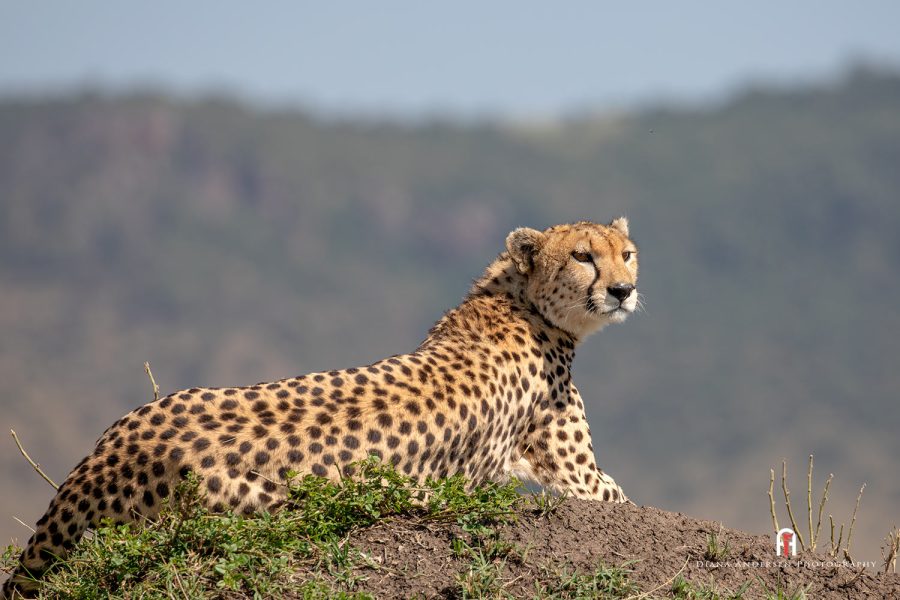
Kenya is a popular choice, especially for first-time safari-goers and families. It boasts a range of safari destinations, each offering unique experiences. Its open habitats make it easier for children to spot wildlife, and the Great Migration in the Masai Mara National Reserve is its most famous attraction. It also offers good predator sightings, including cheetahs.
In addition to the Masai Mara, several excellent locations pair well with a visit to the Mara or offer an alternative.
Amboseli National Park: Large elephant herds against the backdrop of Mount Kilimanjaro
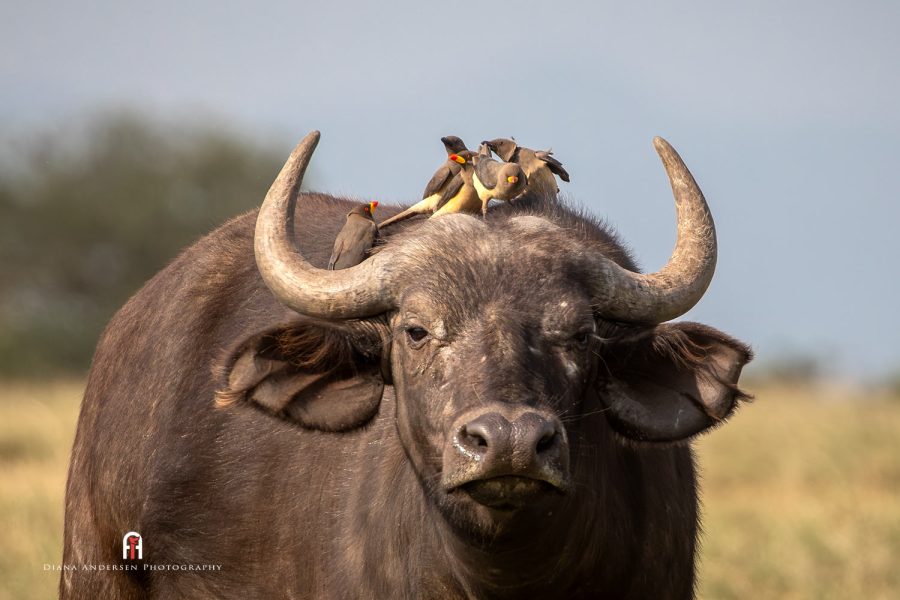
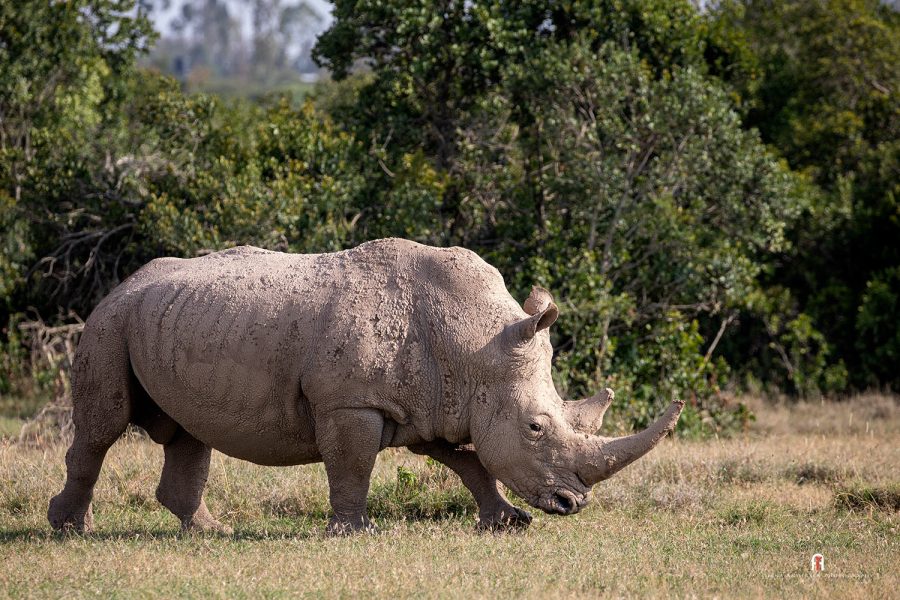
Lake Nakuru National Park: Famous for flamingos visiting the soda lake, but also excellent for other birdlife, Cape buffalo, white rhinos, and Rothschild's giraffes.
Ol Pejeta Conservancy: Focused on rhino conservation, but also offers good predator sightings, reticulated giraffes, and a chimpanzee rescue centre. Excellent for educational opportunities for children. Some camps, such as Sweetwaters Serena Camp, offer night drives.
Tsavo National Park: Divided into two diverse areas, Tsavo East and Tsavo West. The latter includes the Ngulia Rhino Sanctuary, the world's largest rhino sanctuary. The western area also features some exceptional landscapes and the 'Big Five'. The eastern part features elephants often called red elephants, stained red by the iron-rich dust they roll in. Both areas are excellent for birders.
Samburu National Park: More remote and therefore quieter. Beyond large elephant herds and good predator sightings, Samburu offers the special five animals: Grevy's zebra, reticulated giraffe, gerenuk, Somali ostrich, and beisa oryx. It suits visitors who have experienced a safari before, as well as older children.
For Photographers
Kenya has two of the best photographic hide experiences, offering exceptional overnight photography under lights.
- Shompole Wilderness: Located in the Shompole Conservancy in the Southern Great Rift Valley.
- Lentorre Lodge: Located in the Olkirimatian Conservancy, also in the Great Rift Valley.
Best Features of Kenya for Safari
- Established tourism infrastructure makes it easier to combine several locations in one safari. Bush flights are available and a little less expensive than in countries like Botswana and Zambia, where destinations are remote.
- Hotels and lodges have larger capacity, so there are less expensive options. Boutique lodges and private conservancies are also available, but they will cost more.
- Balloon and helicopter rides
Worst Features of Kenya for Safari
- Safaris can be crowded in peak season.
- No off-roading or night drives in the National Parks.
- View Images
South Africa
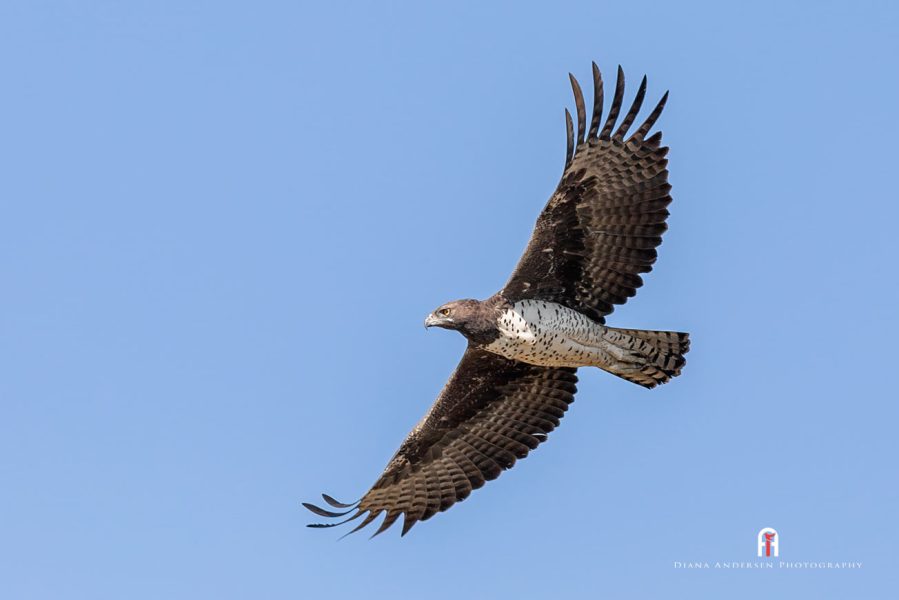
South Africa is a favourite for many, particularly first-time safari-goers, self-drivers and families, offering a mix of private game reserves and national parks. Private game reserves are typically more expensive but offer a more exclusive experience.
Pilanesberg: Only a 2.5-hour drive from Johannesburg, it's great for a day tour, but it also offers a range of accommodation for visitors who want to stay longer.
Kruger National Park: Offers the 'Big Five' as well as African Hunting Dogs. It is popular with self-drivers as they can access Kruger via paved roads.
Timbavati: Shares a 50-kilometre unfenced border with Kruger National Park and offers similar wildlife experiences in a private game reserve. Off-roading and night drives are allowed, enhancing the adventure. Some lodges are especially family-friendly and offer educational opportunities for children. It is known for white lions and African hunting dogs.
Sabi Sands: Another private game reserve bordering Kruger, famous for its high leopard density, making sightings of these elusive cats more predictable. It features high-end luxury lodges but can be more crowded than Timbavati.
Madikwe Game Reserve: Malaria-free, it is a popular destination for families and first-time safari-goers, offering the Big Five. The reserve is home to rarer species, including brown hyenas, cheetahs, and African hunting dogs. Less crowded than Kruger, with off-roading and night drives. Reached by a 4.5-hour drive from Johannesburg or a short charter flight.
For Photographers
Zimanga in KwaZulu-Natal is well known for exceptional photographic opportunities, with overnight hides and photographer-customised vehicles. It offers luxury accommodation, and solo travellers staying at the main lodge pay no single supplement.
Best Features of South Africa for Safari
- Most areas are easily accessed by domestic flights or reasonably priced transfers.
- Malaria-free options, which are a good choice for brief visits and families.
Worst Features of South Africa for Safari
- Can be Crowded.
- No off-roading or night drives in the National Parks
- View Images
Botswana
Botswana offers exceptional safari destinations. With its political stability, it is a safe choice for solo travellers and offers outstanding opportunities for wildlife viewing and photography. With approximately 40% of the country dedicated to wildlife tourism, Botswana focuses on the higher end of the market, offering low-impact experiences that protect wildlife and their habitats. Many private game reserves and concessions offer luxury safari accommodations.
Less expensive mobile safari operators also offer camping tours. Self-drivers can visit the four major national parks and three game reserves that allow self-driving, including unique, expansive salt pans, but roads can be rough and difficult, especially for tourists unfamiliar with Botswana.
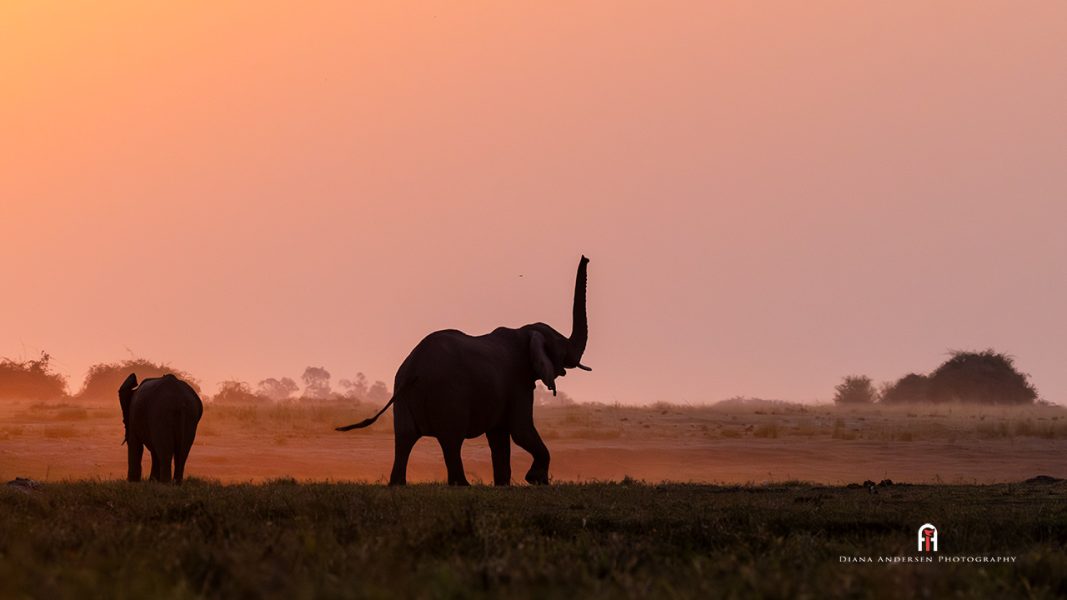
Chobe National Park: A popular choice for first-time safari-goers, this destination is easily accessible via affordable short domestic flights from Johannesburg. Tourism here centres on river activities and Chobe National Park, renowned for its large elephant population, diverse bird species, and other wildlife. This is especially true during the dry season, when the river is the area's sole water source.
Okavango Delta: One of Botswana's most popular safari destinations, it offers luxury private game reserves and excellent wildlife viewing. This area includes the Moremi Game Reserve, a protected area where visitors can self-drive. However, most access to the Delta is from Maun. While affordable domestic flights go to Maun, reaching many camps typically requires small bush flights. Although these flights are well patronised and therefore more affordable than private charters, visiting the area can still cost more than other destinations. Nonetheless, the exceptional wildlife makes it worthwhile.
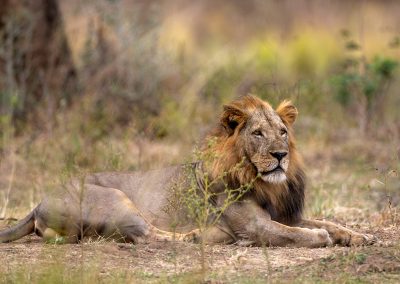
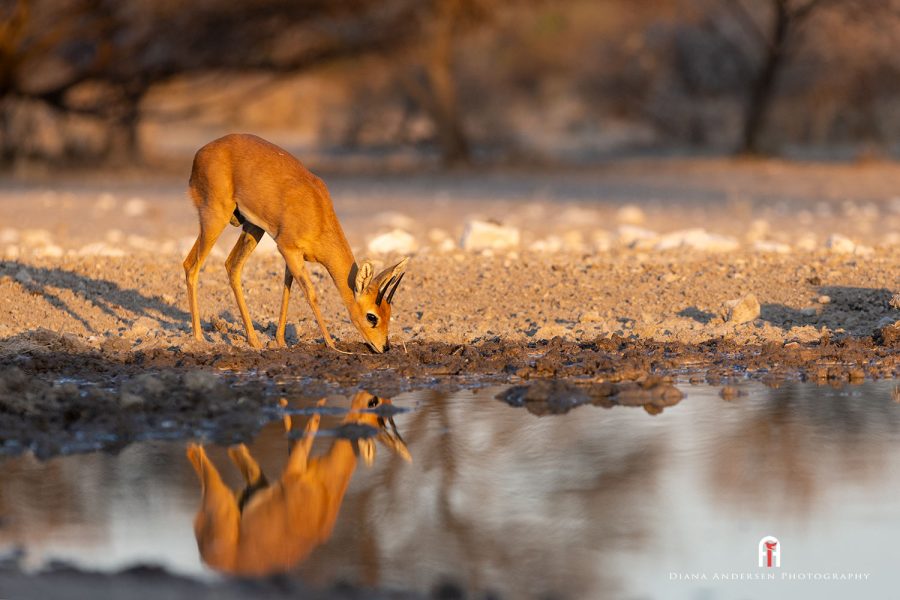
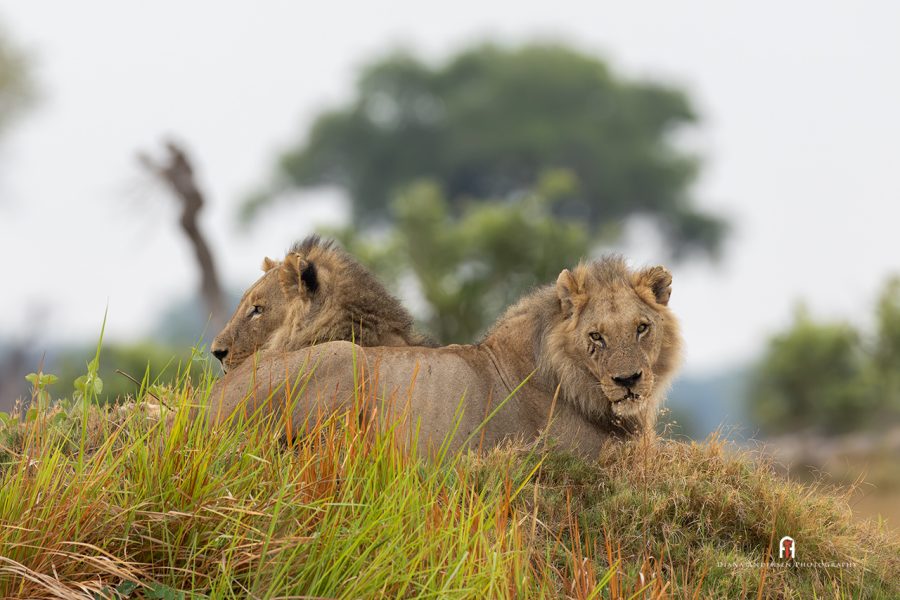
Central Kalahari Game Reserve: This lesser-known area pairs well with a visit to the Delta, as the same flights that drop guests at Delta camps can easily fly on to the Kalahari. The wildlife is also very different from the Delta, with desert-adapted antelopes such as the southern oryx. It has exceptional wildlife and birdlife, including black-maned Kalahari Lions. It has good numbers of zebras, giraffes, and other antelope species, but the area cannot support elephants.
The Tuli Block: A remarkable but lesser-known wilderness area along the Limpopo River, situated between Zimbabwe to the north and east, and South Africa to the south. The region is home to several private game reserves, with Mashatu Game Reserve as the largest. It has the highest number of elephants on private land and a resident leopard population that offers frequent sightings. The area is also rich in diverse wildlife and showcases outstanding landscapes.
For Photographers
Mashatu Game Reserve in the Tuli Block is well known for exceptional photographic opportunities. PhotoMashatu, run by C4 Safaris, offers photographer-customised vehicles and operates the Reserve's famous Matebole Hide. The Reserve also offers a new overnight photographic hide, the Lala Limpopo Hide. Dinaka Camp in the Kalahari also has a very productive, though basic, underground hide known as 'the Bunker'. The Chobe area is also popular with photographers, offering photo boats customised for photographers.
Best Features of Botswana for Safari
- Excellent game viewing.
- Private game reserves offering a more private and personal safari experience with off-roading and night drives.
Worst Features of Botswana for Safari
- Safari locations can require long drives, charter flights or more expensive scheduled bush flights.
- Generally more expensive than Kenya and Tanzania.
- View Images
Zambia
Zambia offers outstanding wildlife experiences in a less crowded, more authentic setting than many established safari destinations. It is renowned for close wildlife encounters, with many camps experiencing animals roaming within camp boundaries. Some safari areas and bush camps in Zambia are remote and only reached by costly small-aircraft flights, but they still provide excellent food and service and exceptional wildlife encounters.
Zambia is known as the birthplace of the walking safari. Although the country has no private game reserves, National Parks permit night drives and are generally more flexible with off-road regulations at predator sightings than national parks in other countries. Although black rhinos occur in some areas, they may not be present in all areas, so this may not be ideal if seeing the big five is important to you.
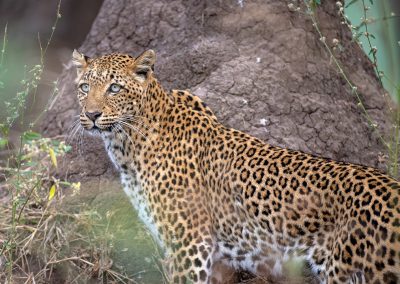
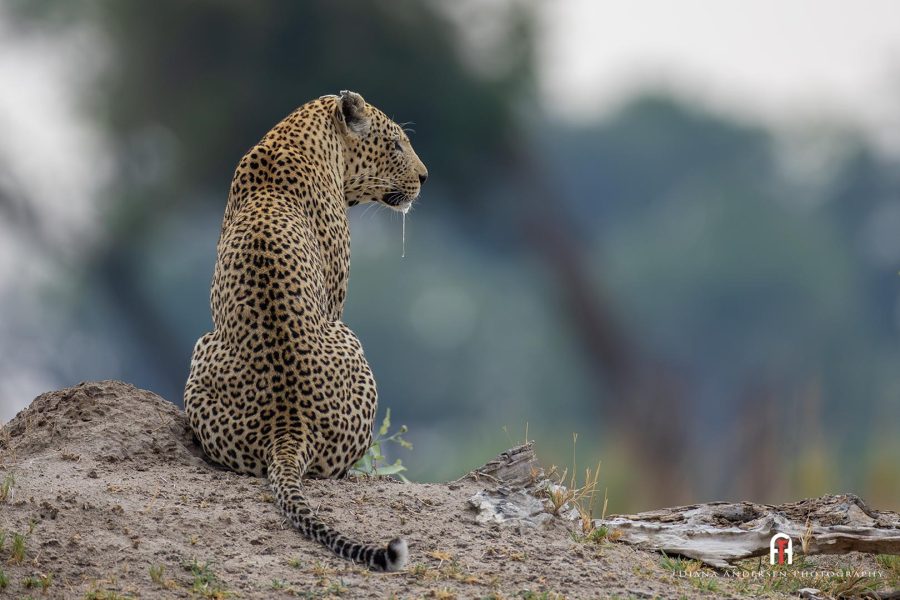
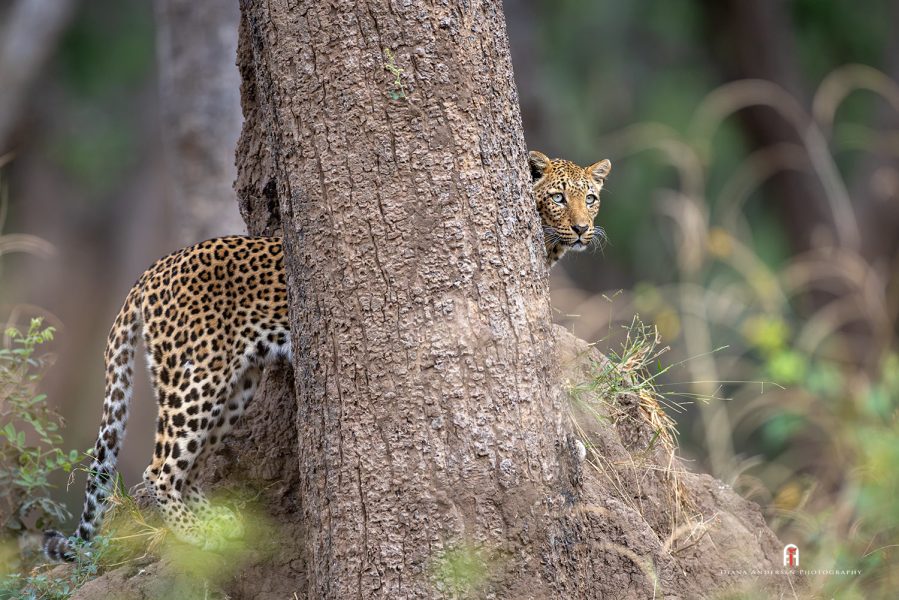
South Luangwa National Park: The easiest area to reach in Zambia, with scheduled flights, it is a popular safari destination. This valley is often called the "Valley of the Leopards" because of its high leopard density. In addition to leopards, the area boasts large populations of hippos and an exceptional variety of birdlife. It also regularly features sightings of resident African wild dog packs.
Lower Zambezi National Park: A beautiful, forested park with fantastic wildlife, including leopards, lions, elephants and excellent birdlife. Its location along the Zambezi River allows for river activities in addition to game drives. Excellent for leopard sightings; it also has African wild dogs, but their wide-roaming habits make sightings less predictable.
Kafue National Park: Remote and very wild. The Park is huge, with diverse habitats. Busanga Plains is open savannah with excellent plains game, birdlife and predators, including regular sightings of servals. The Musekese area offers river activities, ideal for birding and spotting hippos.
For Photographers
Zambia is increasingly popular with wildlife photographers, particularly those interested in good light and scenic backgrounds. Shenton Safaris in South Luangwa has several highly productive photographic hides. South Luangwa also features large flocks of Southern Carmine bee-eaters arriving in the area around September. Classic Zambia has also recently added an underground hide in the Musekese area of the Kafue National Park.
Best Features of Zambia for Safari
- Less crowded and a more authentic safari experience.
- Excellent for varied habitats and scenic areas.
- River activities in some areas.
- Excellent leopard and wild dog sightings.
Worst Features of Zambia for Safari
- Some remote destinations can be costly to reach.
- Zambia is high risk for malaria, so antimalarial drugs are recommended for Zambian safaris.
- Is Zambia Good for Safari?
- View Images
Further Reading...
- Ethical Wildlife Tourism
- Kenya or Botswana for Photography Safari
- Photo Safaris vs Regular Safaris
Share On
Zambia Photo Safari
Step into the wild and capture Africa at its most spectacular on an exclusive photography tour to South Luangwa, Zambia, led by Diana Andersen.
- Book Now
Botswana Photo Safari
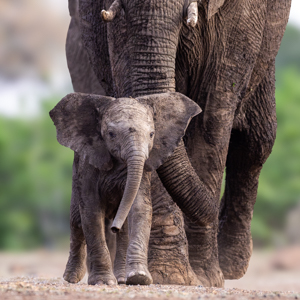
Join Diana on an unforgettable photography adventure to Mashatu Game Reserve and Chobe in Botswana, where vast landscapes, dramatic sunsets, and incredible wildlife create the perfect canvas for your camera.
- Learn More
Bespoke Safaris
Let us plan a personalised private safari holiday in Africa, tailored to your interests, budget, and travel style. Top locations, outstanding wildlife experiences.