A Complete Guide to Safaris
So you want to go on safari and start researching your options. A simple online search for 'African safari' returns countless packages and itineraries, all of which seem fantastic but come in a wide range of prices. This price variation can be confusing, and choosing a location is another challenge, so how do you decide which option is right for you? If none of them ticks all your boxes, can you safely plan your own bespoke safari? The answer is yes, but unless you have been to Africa before, you may need some help.
What are the Options
Understanding the differences between safaris is essential in deciding what you do and don't want from your safari experience. At the lower end, cheaper safaris often involve large groups of twenty or more participants, travelling by bus. Game drives aren't offered daily, let alone twice daily and are generally in multi-seater vehicles rather than 4x4 game viewers. Many features are optional extras that you pay for along the way.
Camping and Tented Camps
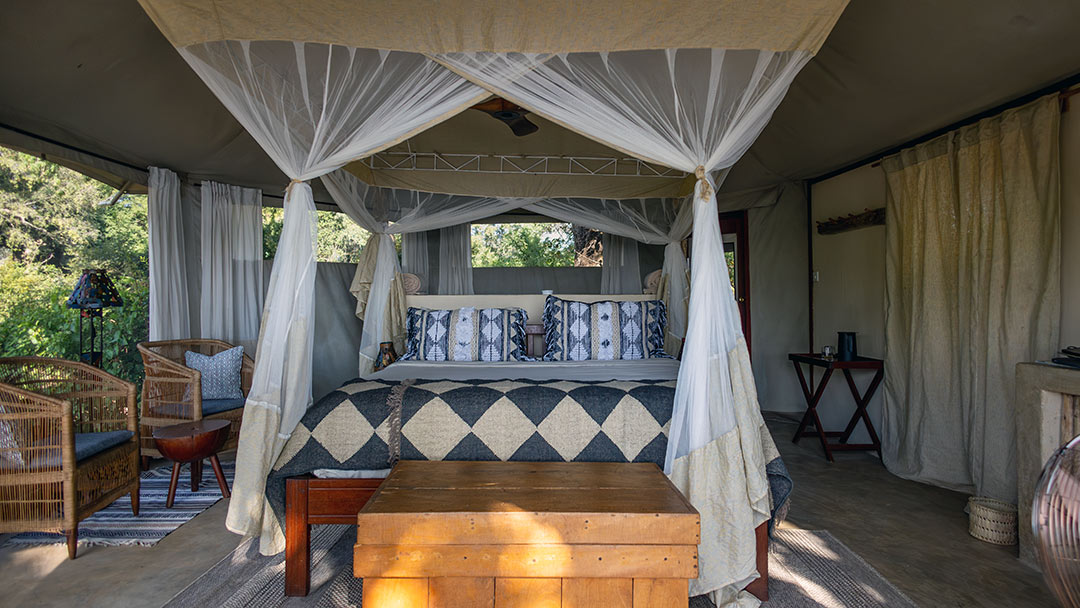
Alternative budget options include mobile camping safaris, where the camp moves to a new location in each area you visit. The tour usually includes staff who set up the camp and provide meals. While wildlife experiences can be fantastic on these tours, it ultimately depends on your age and desired comfort level. Another alternative is permanent tented camps, which can be quite luxurious and offer a glamping experience at its best. However, the accommodations are still tents, and bathrooms are private but often outdoor ensuites. So if this bothers you and air conditioning is a priority, you may want to reconsider. That said, many tented camps offer a more authentic experience than high-end luxury accommodations.
Self-drive Safaris
Another budget-friendly option is self-drive safaris. The safety of this choice largely depends on how familiar you are with Africa, and the quality of your wildlife experiences depends on your ability to spot animals. While it may seem easy to identify elephants or herds of impalas, finding well-camouflaged big cats, smaller animals, and birds can be quite challenging. It's often more difficult than you might expect. Many times, my guests and I have been amazed by how our guide spotted animals we overlooked. I cannot emphasise enough the value of having knowledgeable, well-trained guides. They can truly enhance your safari experience through their expertise, sightings, and valuable information. Self-drivers are not permitted on private game reserves so your safari will be restricted to public areas and national parks.
Super Luxury Camps
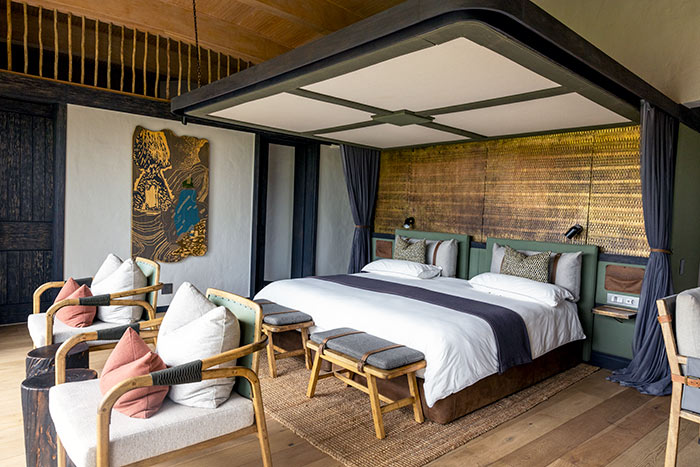
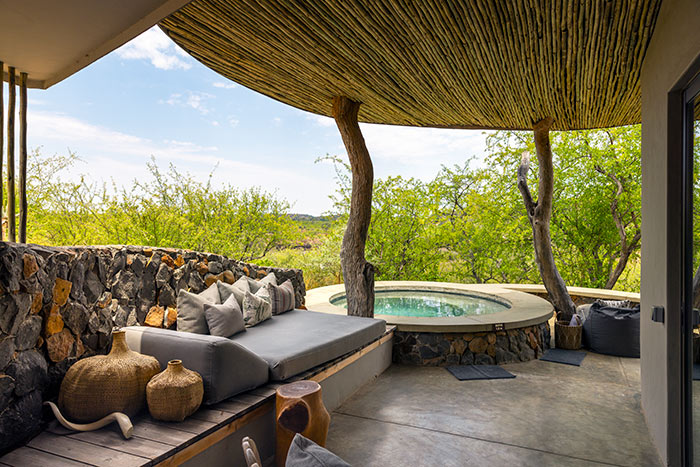
At the high end of the market, luxury destinations offer 5-star accommodations. These ultra-luxurious options often come with exorbitant nightly rates, but they provide a more private experience. Accommodations typically include private plunge pools, exceptional views, exquisite dining, and private game-viewing vehicles with dedicated drivers and guides, often in private game reserves.
However, in many situations, the game-viewing areas are shared with other camps in the area, which is why I prefer mid-range camps. If wildlife viewing is your priority, spending extra money to see the same animals doesn't seem worth it. Ultimately, the choice depends on your budget and desired level of luxury. That said, I believe super-lux accommodations often lack the authenticity of simpler camps. High-end prices can reach US$5,000 per person per night.
Zambia Photo Safari
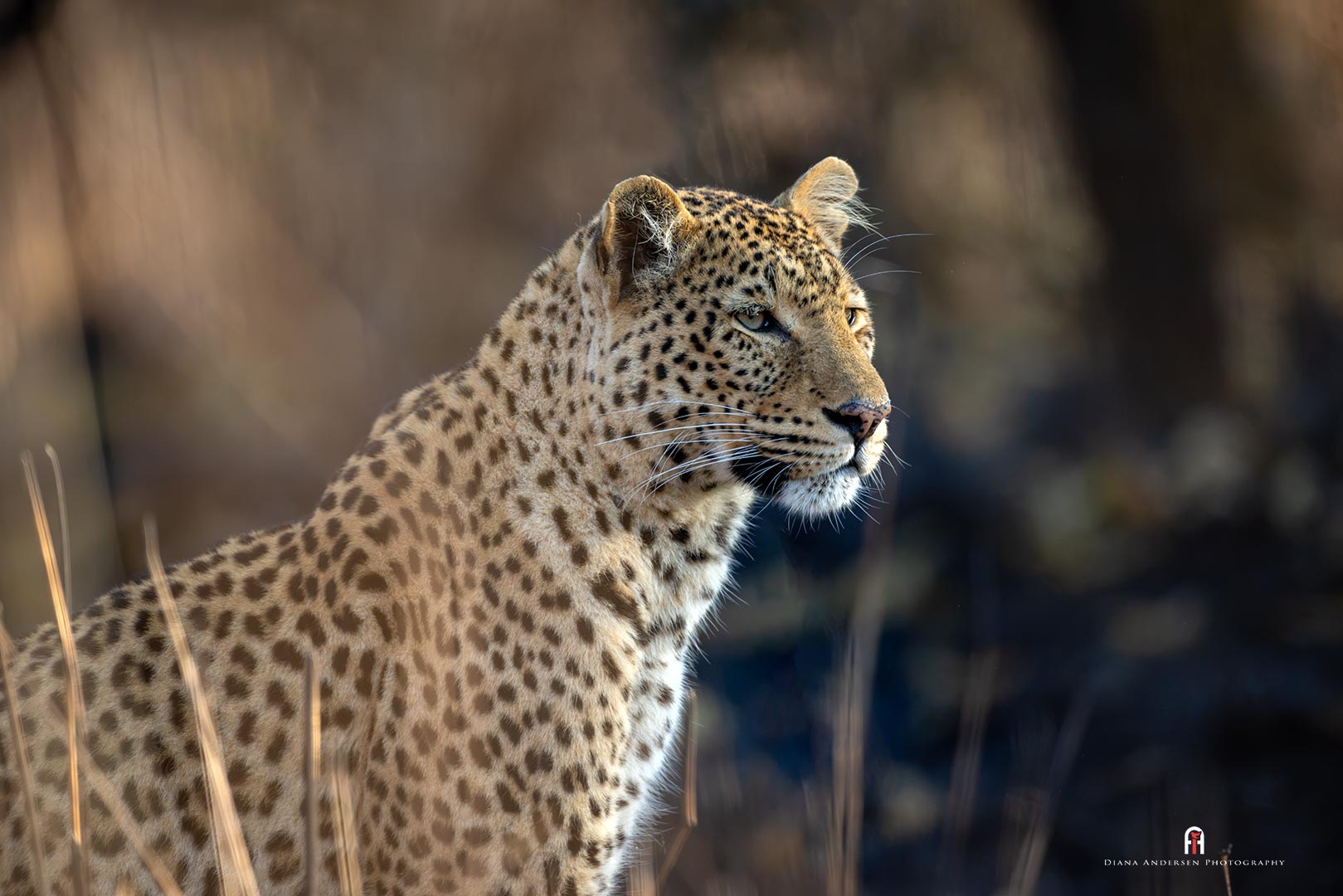
Step into the wild and capture Africa at its most spectacular on an exclusive photography tour to South Luangwa, Zambia, led by Diana Andersen.
Botswana Photo Tour
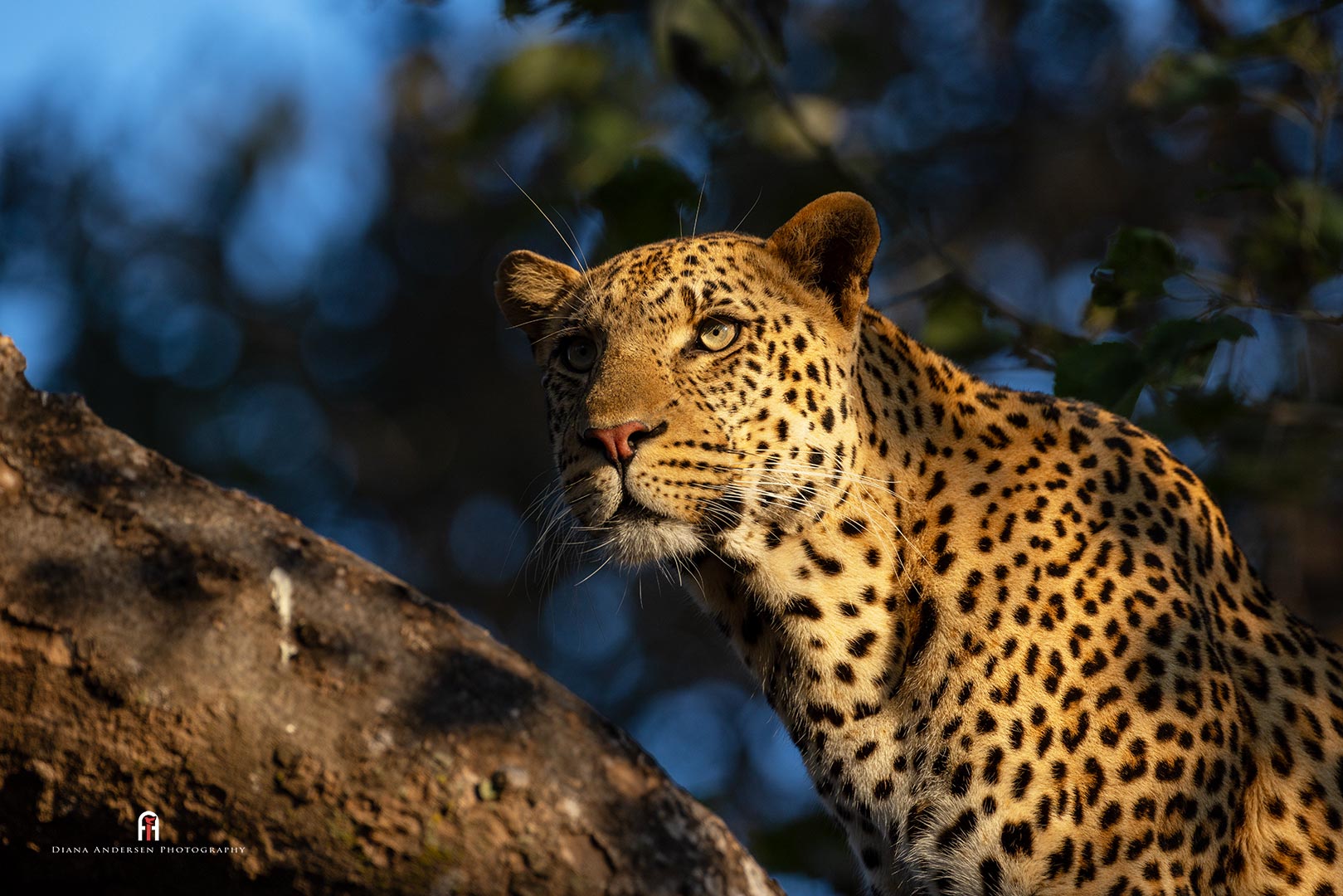
Join Diana on an unforgettable photography adventure to Mashatu Game Reserve and Chobe in Botswana, where vast landscapes, dramatic sunsets, and incredible wildlife create the perfect canvas for your camera.

Bespoke African Safaris
Let us plan a personalised private safari holiday in Africa, tailored to your interests, budget, and travel style. Top locations, outstanding wildlife experiences.
What is the Difference Between Guided and Group Tours?
Private Guides
Understanding the role of a guide can also be confusing when it comes to safari options in Africa. Many private guides can customise a safari to meet your specific requirements. Just tell them what you want to see and where you want to go, and they will handle all the arrangements.
While this option may seem ideal for creating the perfect safari experience, it often costs more, even without luxury accommodation. If you have a group of four to six people, it can be more affordable; however, travelling solo or as a couple can significantly increase costs. This is because your guide charges a daily rate and also incurs their own travel expenses to reach your chosen locations.
Additionally, guides typically need to hire a vehicle in the areas you choose, unless the destination or game reserve includes a vehicle and driver as part of the accommodation package. Some remote locations may also require expensive charter flights, which can make privately guided tours quite costly. However, if your budget allows, this option provides an exceptional safari experience. Not all guides are equally good, so I strongly recommend reading reviews from past guests.
Small Group Guided Tours
Small-group guided tours are another option and particularly suit special-interest groups such as birders or wildlife photographers. Many private game reserves or safari operators offer guided game drives, often with an additional tracker or spotter. This means if you plan your own tour, you don't have to worry about driving around Africa or the bush alone. However, they don't cater for individual guests' interests.
When you book a safari package with a provider or operator that includes game drives, you will typically share a vehicle unless your group can fill one. The number of people required to avoid sharing can range from four to twenty or more, with smaller groups usually found at high-end game reserves or camps. Many camps also offer private vehicles, but the cost can be very high, around US$700 per day or more. Families may also incur a private vehicle charge, as children are not full-paying guests.
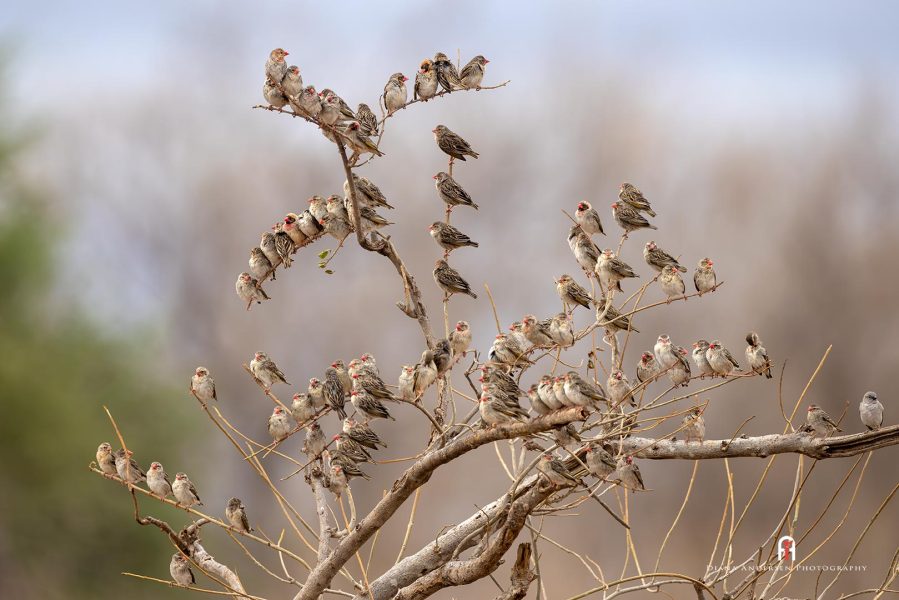
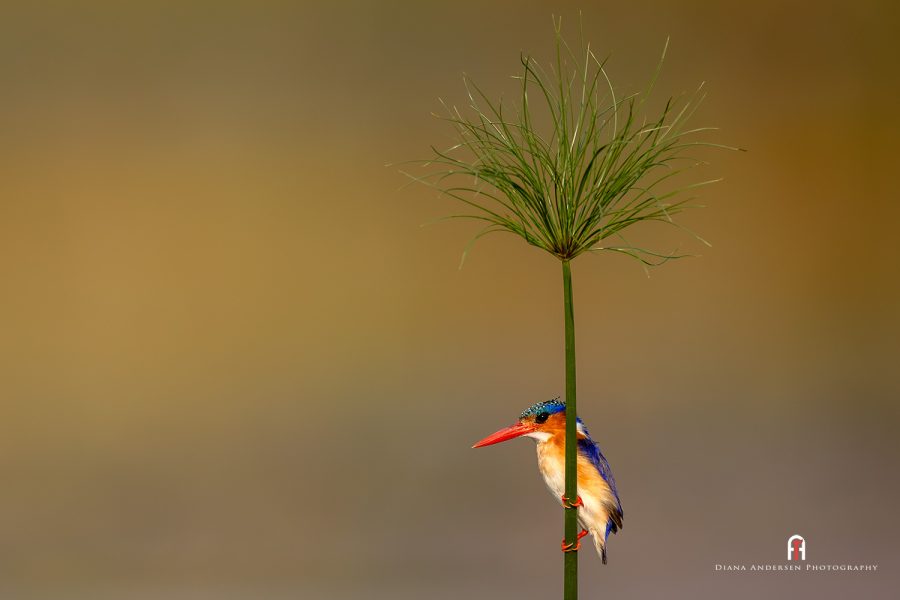
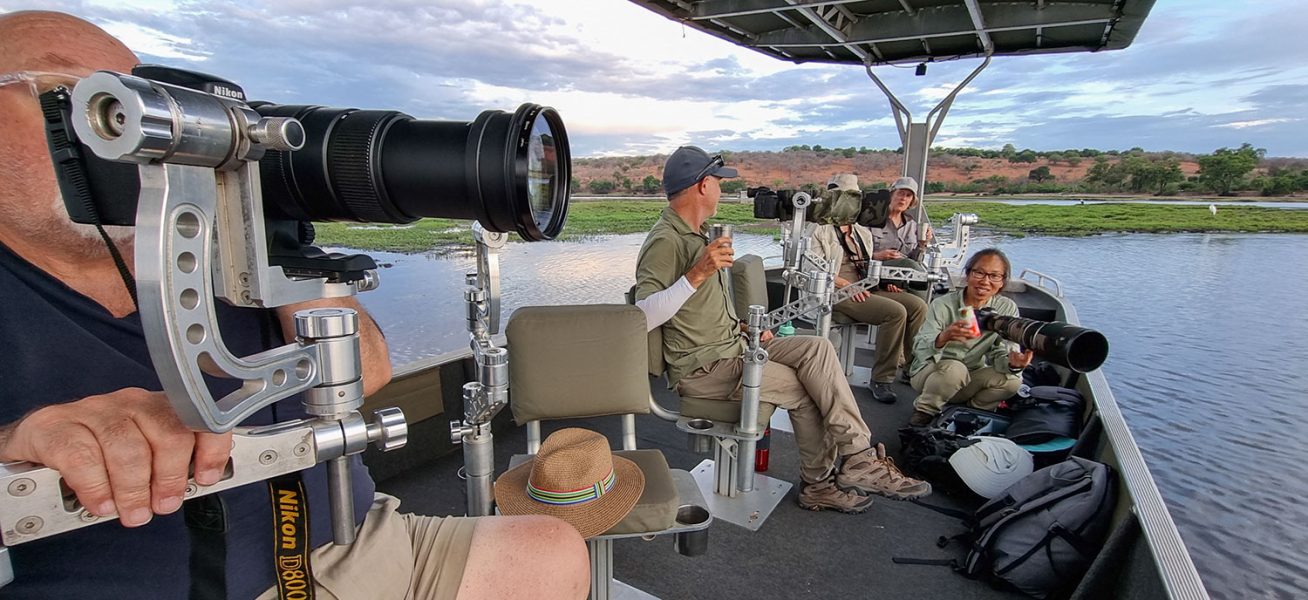
For those interested in photography or birdwatching, small group specialist tours often provide the best experience. Travelling by vehicle or boat with like-minded individuals, with a professional tour leader like myself alongside the camp's guide, offers greater flexibility, which is essential for guests with special interests. On regular safaris, photographers often complain that they have to move on before they capture the perfect shot. Similarly, many safari-goers may not share birders' and photographers' enthusiasm for stopping to watch birds.
One advantage of small group tours is that the tour leader organises the itinerary, bookings and all transfers within Africa. This is often one of the most confusing parts of planning a trip. It's also crucial, as missing a connection at any point can disrupt the entire tour.
- View Images
What Are the Best Safari Destinations?
There is no simple answer, as Africa offers many wonderful and diverse destinations. I genuinely believe that you could explore a different location every year and have a unique experience each time. Some places are so special that visitors return to the same camps year after year. Each region has its own strengths, which I discuss in more detail in other articles. The following introduces some of Africa's best areas. Ultimately, if you plan to visit Africa only once, consider what you most want to see and experience before deciding on a destination.
East Africa
Kenya and Tanzania
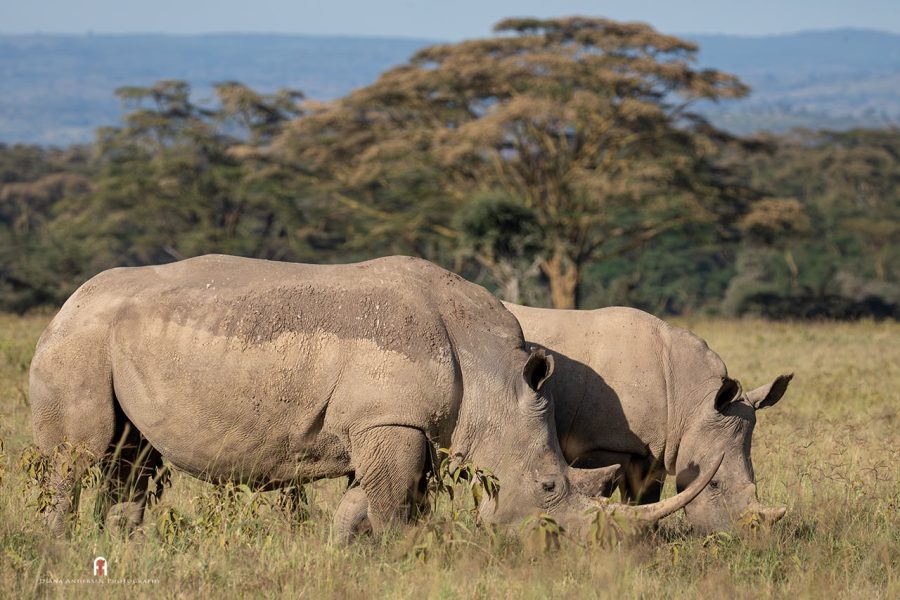
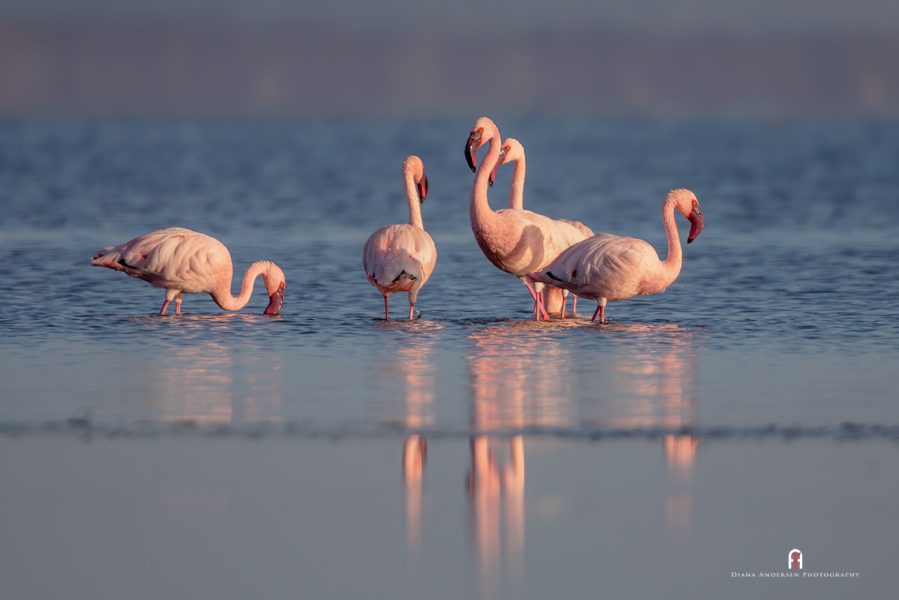
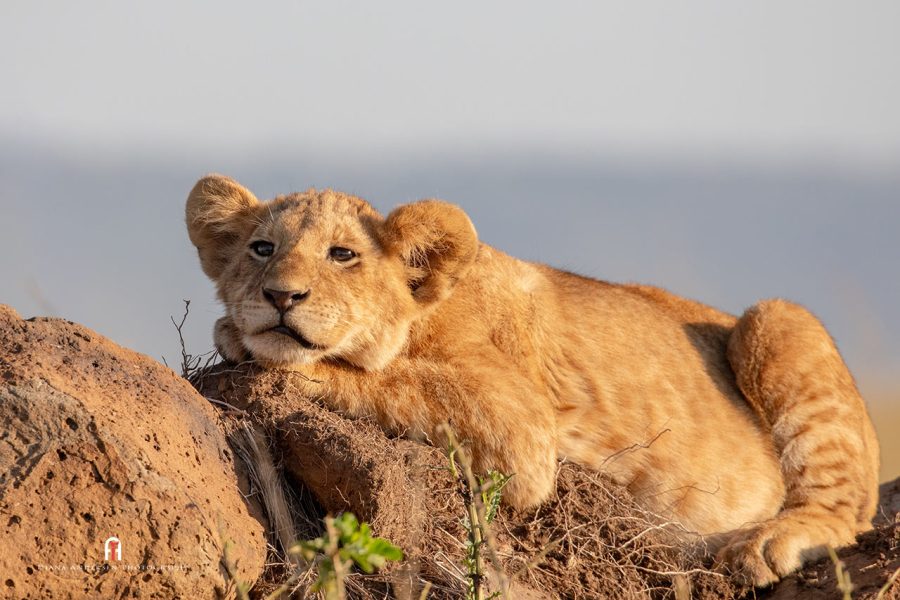
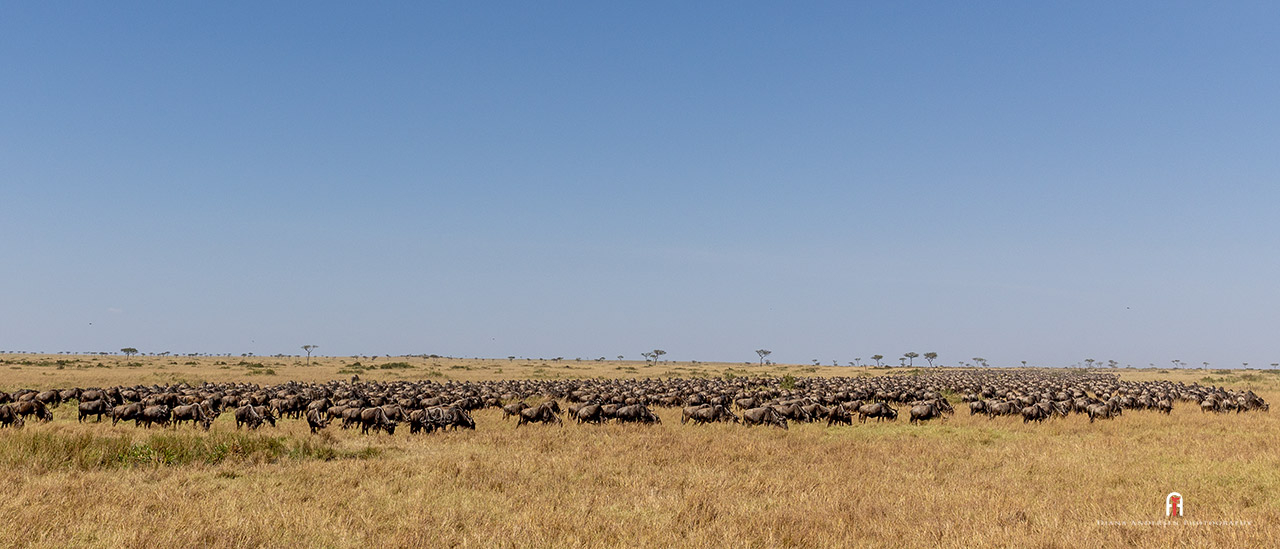
Popular wildlife destinations include Tanzania's Serengeti and Kenya's Masai Mara. Each year, the Great Migration in these regions attracts thousands of visitors, but there's much more to experience beyond this remarkable event. Travellers can explore stunning savannah landscapes, including Tanzania's Ngorongoro Crater, the soda lakes in Kenya's Nakuru National Park, which draw thousands of flamingos, and the expansive plains of Amboseli, home to large elephant herds and the last of the big tuskers. In both the Serengeti and Masai Mara, visitors can also see wildlife and breathtaking landscapes from above by helicopter or hot-air balloon.
Both countries offer the chance to see the Big Five, but not necessarily in the same location. When planning your safari, research the best places to see the animals you most want to see. For instance, Lake Nakuru has rhinos, but you won't see elephants, as the park can't support them. Another consideration is crowds, as these well-known areas attract large numbers of visitors.
- View Images
Rwanda, Uganda and DRC
Also, keep your physical limitations in mind. In Central Africa, you can encounter chimpanzees and gorillas in Uganda, Rwanda, and the Democratic Republic of Congo (DRC). However, reaching these elusive animals requires trekking, which is an important consideration for a photographer like me carrying heavy camera gear. Older visitors may also find the trekking too challenging.
Southern Africa
Africa offers much more to experience beyond these East African countries. In the south, you can visit South Africa, Zambia, Namibia, Zimbabwe and my personal favourite, Botswana. Each country offers unique experiences, with varied landscapes that support different species.
South Africa
Like Kenya and Tanzania, South Africa's Kruger region is known for the 'Big Five'. However, its popularity means it also attracts a large number of tourists. To enjoy a more intimate experience with fewer visitors, consider exploring smaller private conservancies. Keep in mind that this exclusivity often comes at a higher price. In South Africa, Timbavati borders Kruger. This area offers the same excellent game viewing as Kruger but without the crowds.
Zambia
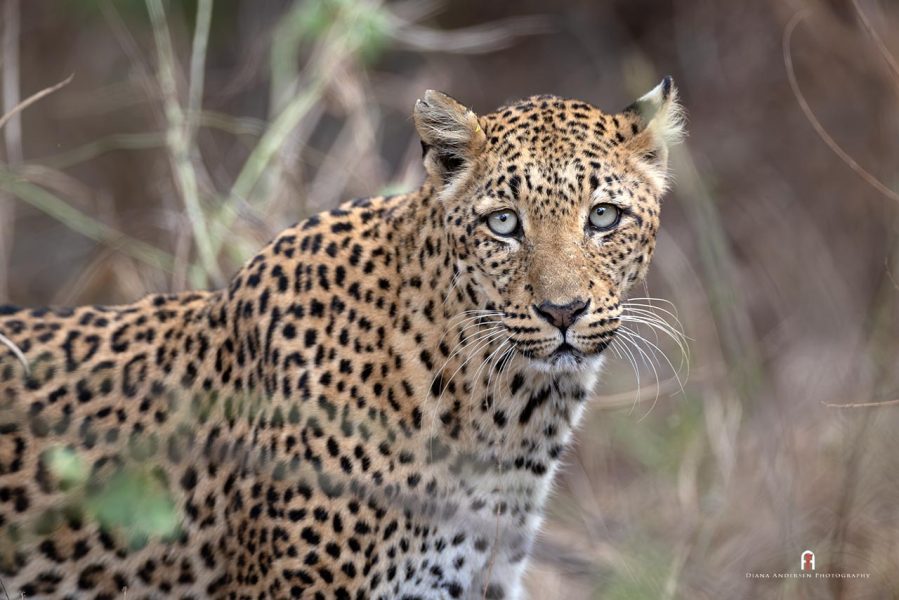
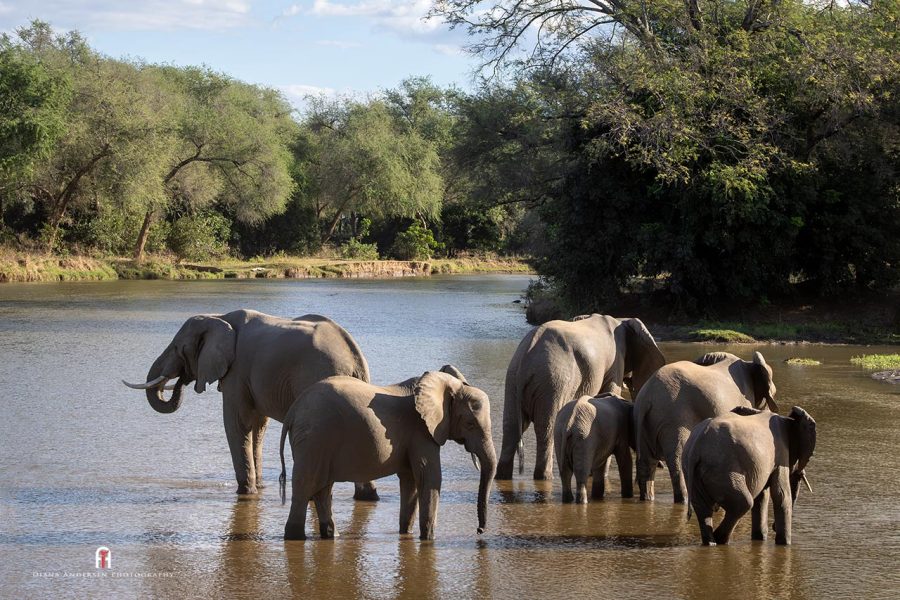
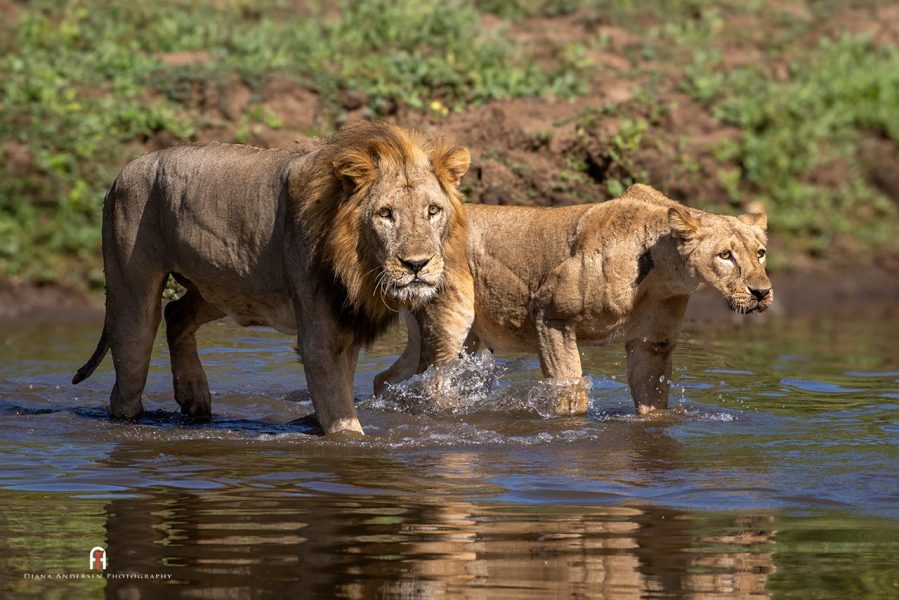
Zambia attracts fewer visitors not because it has less wildlife, but simply because it is less well known. The South Luangwa, Lower Zambezi, and Kafue National Parks offer some of Africa's best game viewing. Exceptional birdlife, high leopard density, and unique landscapes, combined with great camp atmosphere and service, make these parks a remarkable experience. Because they're less well-known and more remote, accessing some of the best areas often requires charter flights. Although charter flights raise costs, these locations are definitely worth the trip. For photographers, Zambia's forested areas provide a unique backdrop that contrasts with the more traditional savannah scenery.
- View Images
- Is Zambia Good For Safari?
Botswana
A firm favourite of mine is Botswana, offering high-end, low-impact ecotourism. With around 40% of the country dedicated to wildlife tourism, it offers a more personal experience, with exceptional wildlife viewing and many private game reserves and conservancies. Of course, this comes at a higher price, but for dedicated photographers, it's well worth it.
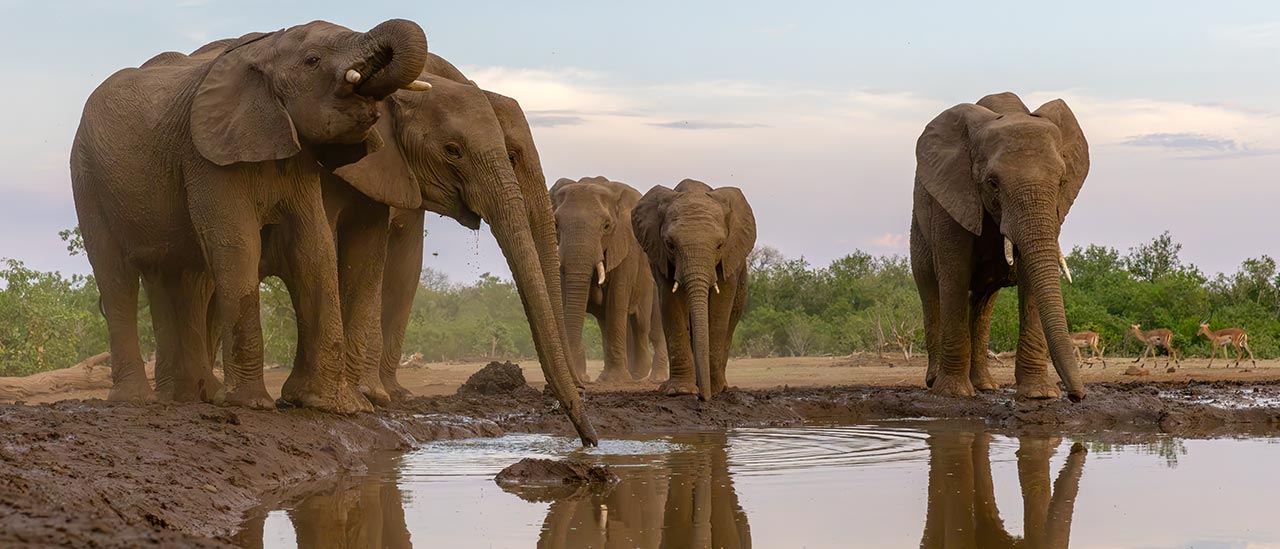
Botswana is home to several wildlife regions, each offering unique experiences for travellers. Chobe National Park is renowned for its large elephant herds, rich birdlife, and river-based activities. It also supports a healthy lion population. The Okavango Delta is another exceptional destination for game viewing, with many private conservancies that enhance the wildlife experience by limiting the number of guests in the concessions at any one time. Most camps typically have no more than eight tents or chalets.
Beyond the Delta, the Kalahari offers remarkable wildlife in a very different landscape, even though it is only a short flight from the Delta. The desert-adapted game is impressive and very different from the Delta wildlife, which includes antelopes like lechwe and waterbuck that thrive in much wetter areas.
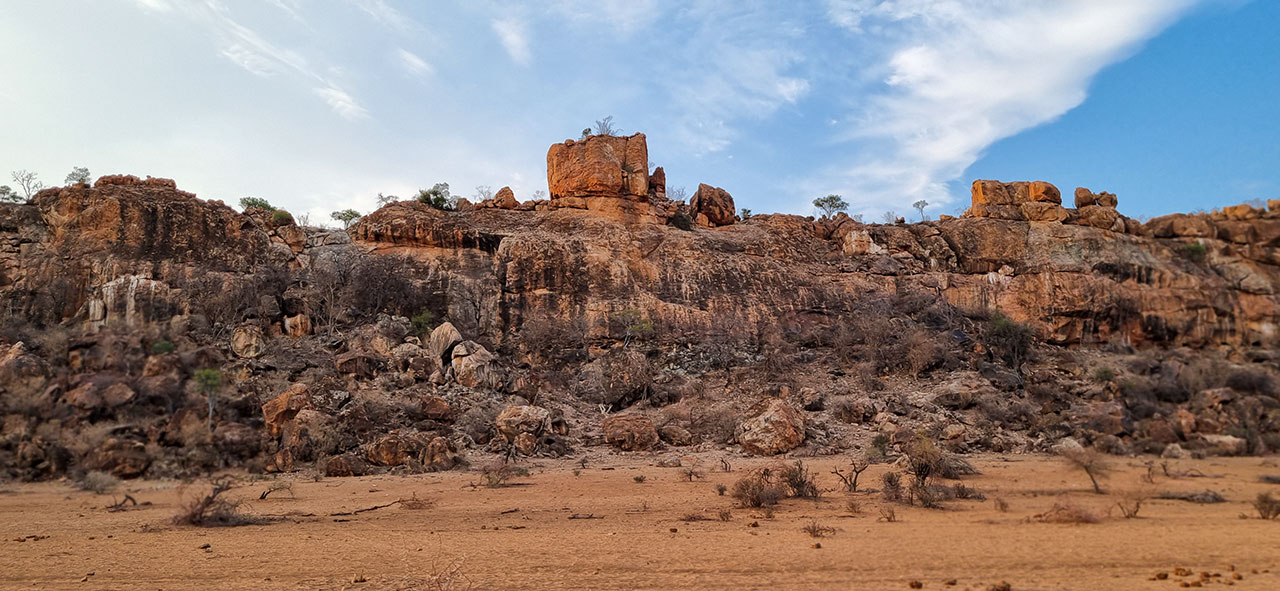
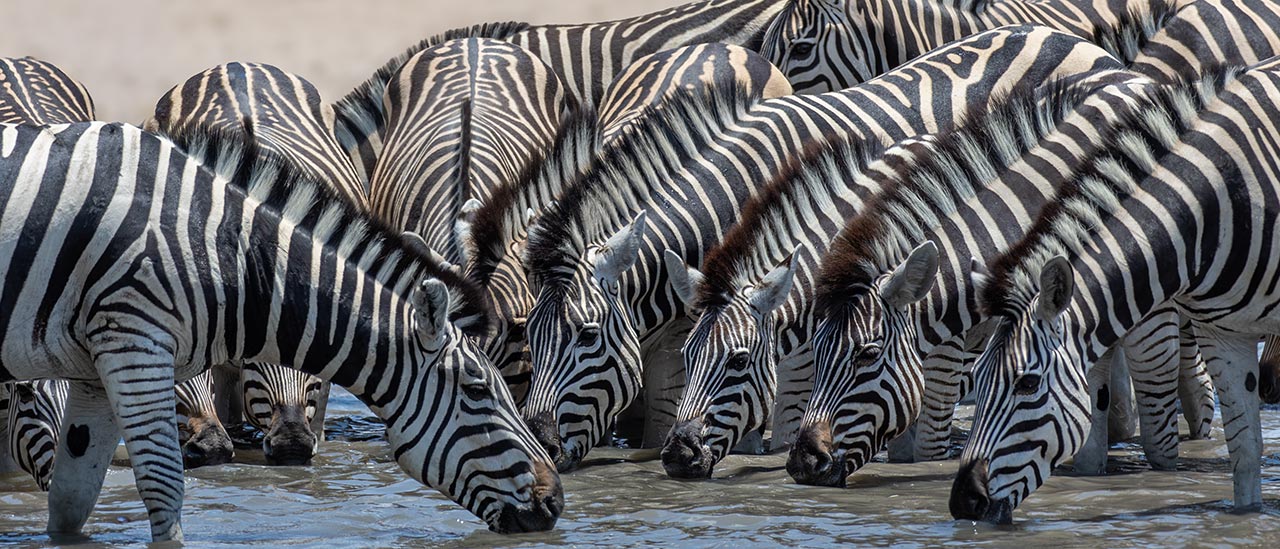
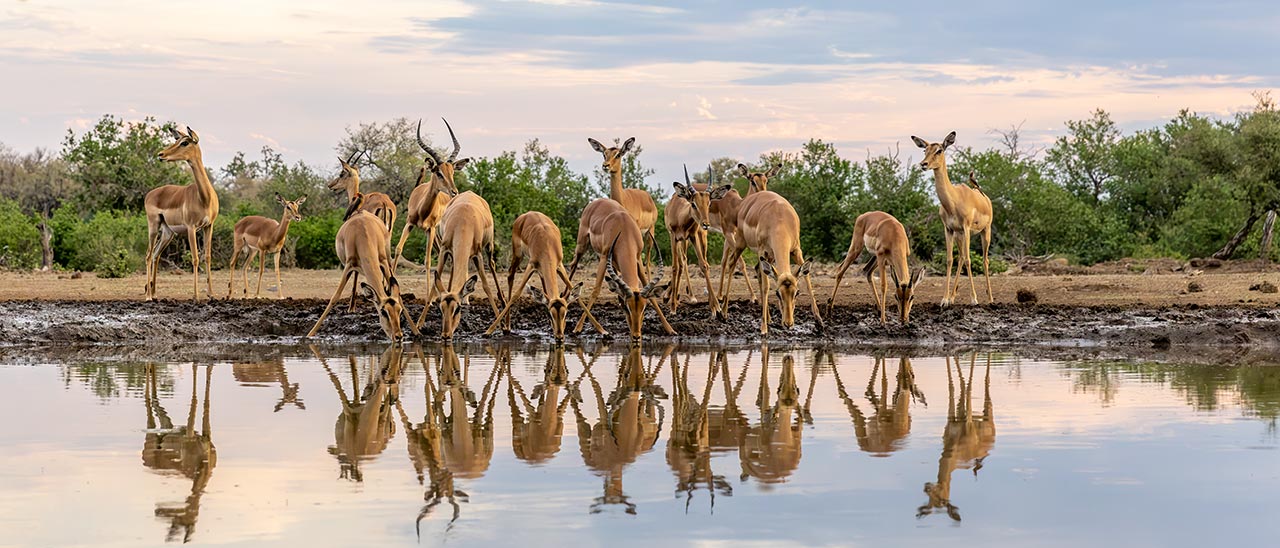
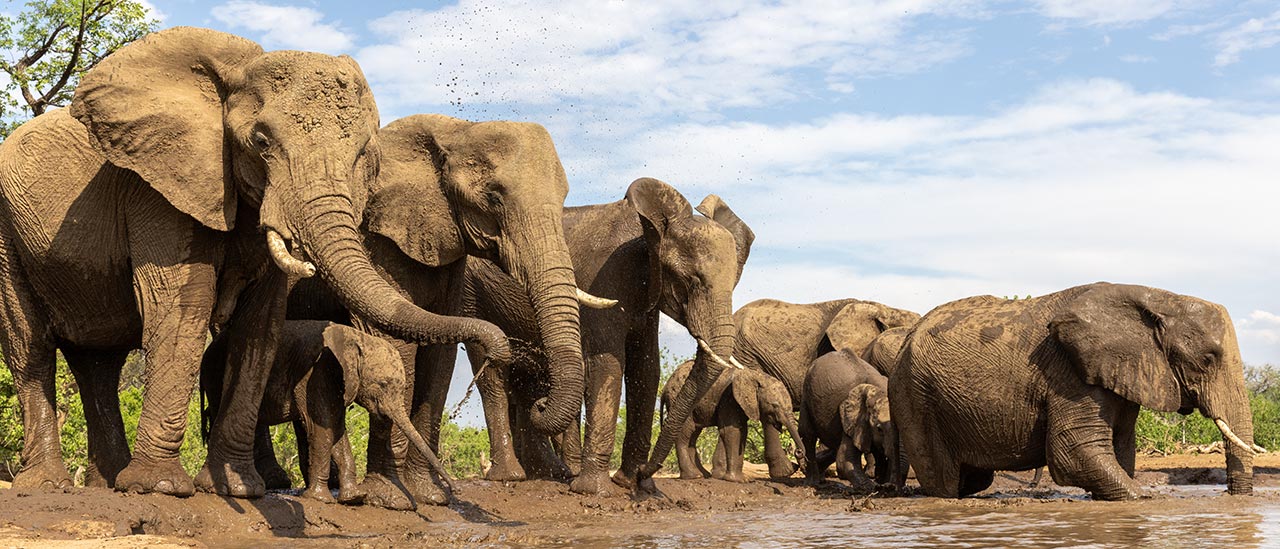
My favourite destination is the Tuli Block area in southern Botswana, on the border with South Africa, particularly Mashatu Game Reserve. The area provides excellent leopard sightings, ancient rock formations, a large elephant population, and a notable density of other game. As a private game reserve, you'll only share your sightings with up to two other vehicles.
Zimbabwe
Zimbabwe is famous for the spectacular Victoria Falls, one of the world's seven natural wonders. While most people visit to see the Falls, I find the area great for wildlife, particularly elephants, giraffes, and antelopes, and for birdwatching. That said, Zimbabwe is home to some of Africa's best safari destinations, such as the Mana Pools area and Hwange National Park. Mana Pools is known for great African Hunting Dogs and walking safaris. It is harder to reach than other safari destinations, with most visitors opting for fly-in safaris, so it may not be the easiest choice for first-time visitors.
- Which Country is Best For a Safari?
What is the Best Time of Year for Safari?
The next key factor is the best time of year to travel to Africa, as it significantly affects safari costs. Your decision will depend on several key factors, often requiring a balance between your desire to see wildlife and your comfort level. Photographers and bird watchers should also keep a few additional considerations in mind.
Peak Season
The peak season for the safari industry is the dry season, typically from June to October. However, this period can vary depending on the specific area's rainfall patterns. As habitats dry out, animals are drawn to water sources, making wildlife sightings more predictable. Nonetheless, as the season advances, temperatures can become increasingly uncomfortable. By October, many regions may become excessively hot and dusty.
In popular tourist areas without visitor limits, you may face not only the heat but also large crowds. Safari costs are much higher during peak season, and booking accommodation can be difficult if you don't plan at least 9 to 12 months ahead.
Shoulder Seasons
The brief shoulder seasons, before and after peak season, can offer better value for travellers, but they also have drawbacks. During the rainy season, vegetation grows significantly in many areas, making it harder to spot animals early in the season, especially well-camouflaged ones like leopards. Animals also disperse, relying less on specific water sources and making sightings more difficult. For photographers, capturing a clear shot can also be a challenge in the shoulder season leading into peak season.
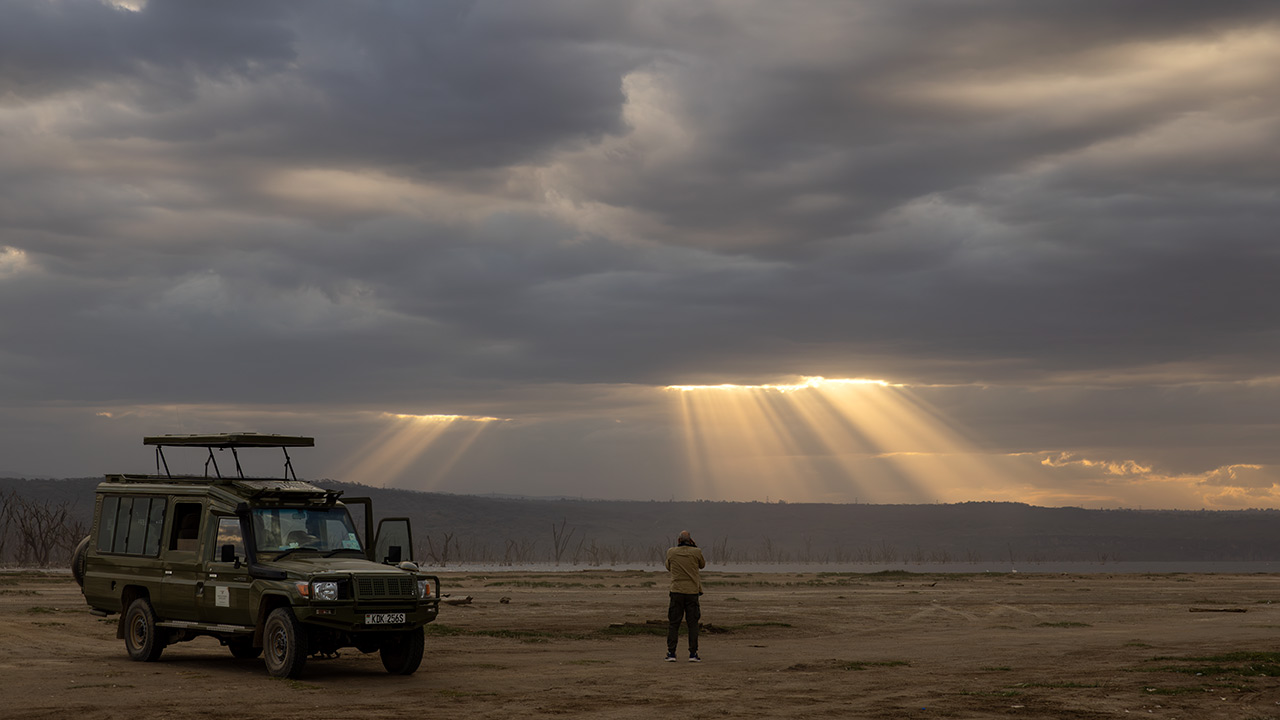
Later in the year, sightings can be fantastic as the rainy season approaches in November, when animals are desperate for food and water. However, it is extremely hot at this time, and heavy rain is always possible. That said, photographers will enjoy the stormy skies and the softer light that comes with overcast conditions. November also brings many migratory birds, so it's a fantastic time for birdwatchers.
Low Season
The low season, also known as the green season, offers the lowest accommodation rates. However, be prepared for rain, which can be quite heavy at times! While downpours may be torrential, they typically don't last long. This season highlights the bush's beauty, though some popular areas can become completely inaccessible. In fact, certain regions in Zimbabwe and Zambia close entirely during the rainy season. Many young animals are born in the green season, thanks to abundant food.
- View Images
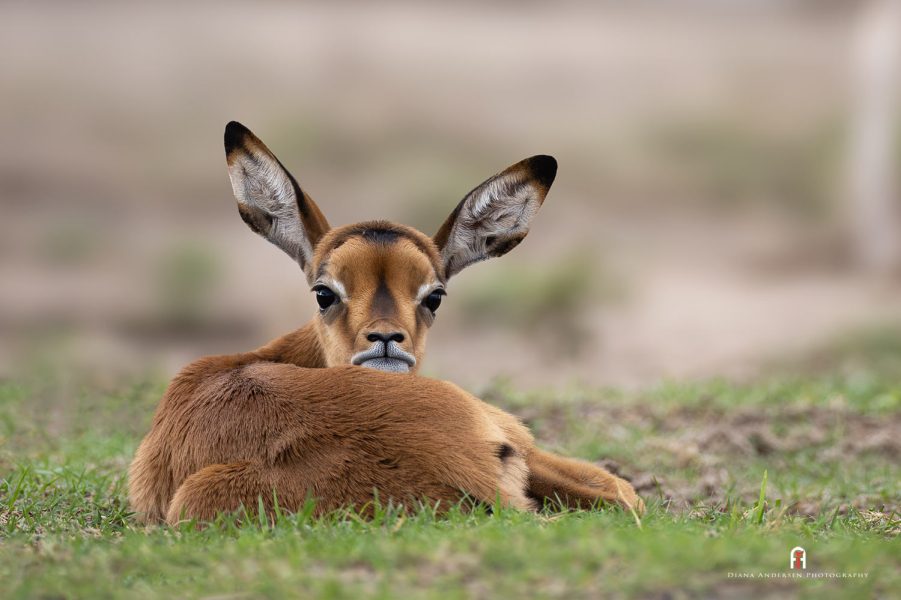
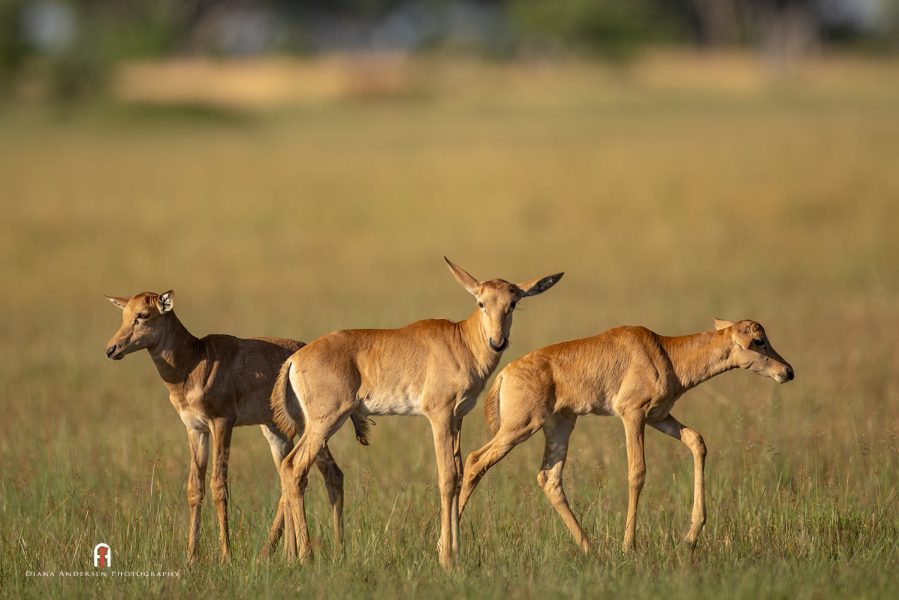
Ultimately, it also depends on what animals you want to see, as each season has its advantages and disadvantages. Some visitors only want to see particular predators such as leopards, so that will dictate both where you go and when you go. Birders and photographers who can cope with the heat will love October and November. Alternatively, if you have your heart set on the Great Migration, you will need to visit in the high season.
Reaching Your Safari Destinations
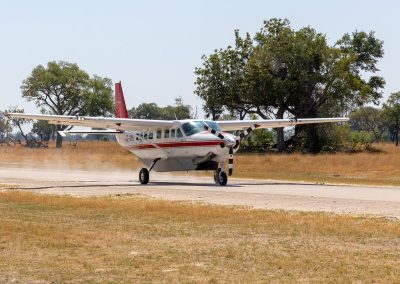
One of the most challenging aspects of planning a safari is managing the logistics of getting from one place to another. Most visitors want to experience multiple reserves or camps, and many hope to visit more than one country or wildlife hotspot. However, many of the best destinations are remote and can only be reached by charter flights or full-day road transfers. Unfortunately, little information is often available online about how to navigate this process.
As someone who specialises in planning bespoke tours, I can arrange these transfers and flights for you. However, if you prefer to plan your own itinerary, I recommend contacting the camps you want to visit directly and asking for their recommendations. Some camps will organise transfers for you, but keep in mind that transportation in Africa can be quite fluid. You may not know the exact time of your bush flight until the day of travel. So, always allow extra time to make connections at every location.
Another thing to bear in mind: just because a road is on the map doesn't mean it is advisable to travel on it. Some roads in countries like Botswana and Zambia are so rough that tourists are strongly advised not to travel on them. Additionally, traffic on roads in countries like Kenya can be terrifying, so sometimes the cost of a short flight is worth it.
Is Africa and Safari Safe?
Safety is a common concern for first-time visitors to Africa. However, the countries that provide some of the best wildlife experiences are generally safe, and I feel comfortable travelling solo as a woman. That said, like many countries, some areas are safer than others. I rely on my transfer guides to advise me on safe places to stop en route, and I always use camps or companies that arrange airport and airstrip pickups.
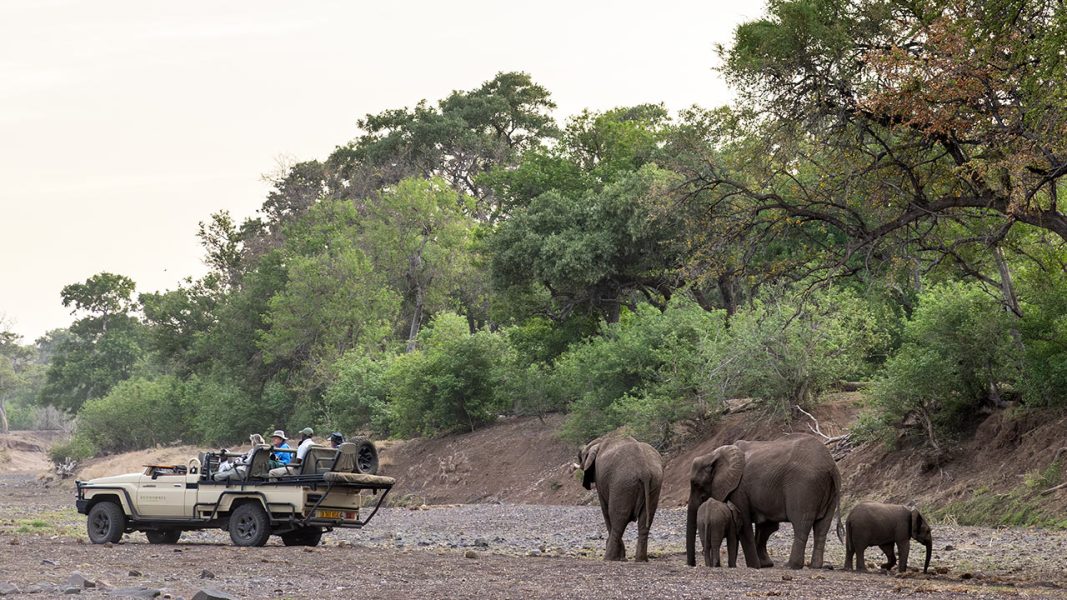
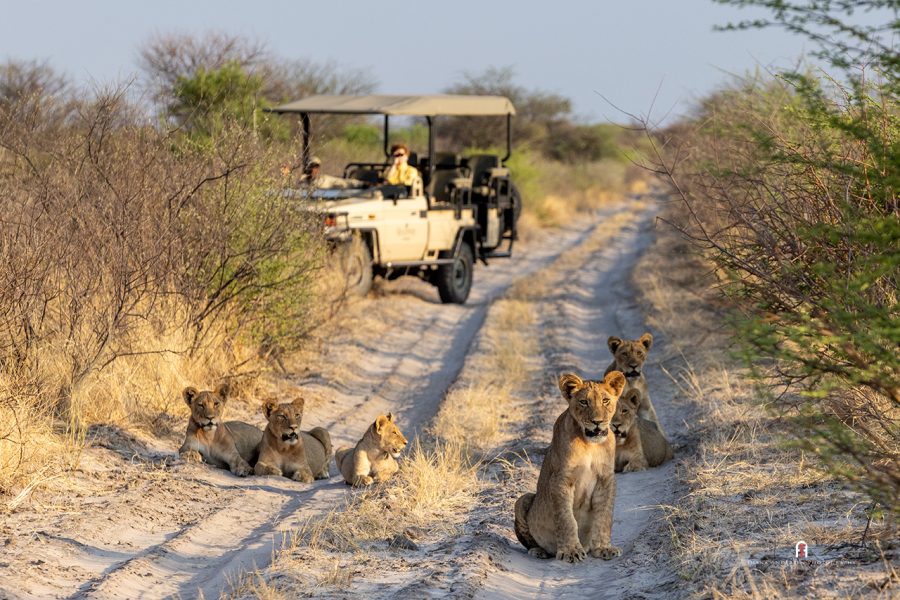
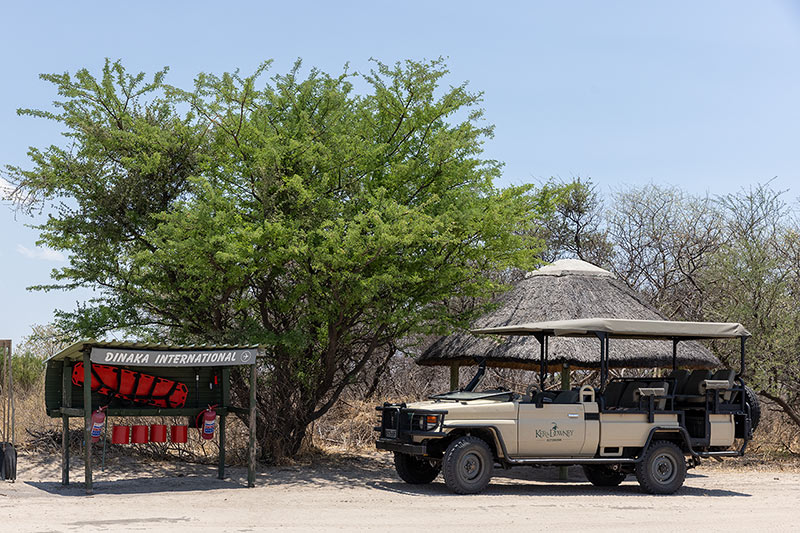
In game reserves and national parks, vehicle types can vary. As a photographer, I prefer open game viewers without roofs. These vehicles are generally safe, but you should always follow your guide's advice when encountering wild animals. Guides understand animal behaviour, and your safety is their top priority. However, remember that you are still in the presence of potentially dangerous wildlife. For families, ensuring children follow these guidelines is essential for everyone's safety.
- View Images
The Small Safari Details
Many people ask when to book trips, what to pack, and about tipping. It is advisable to book at least 9 to 12 months in advance, especially for popular destinations with small, intimate camps, as these often fill up quickly during peak season. When it comes to packing, travel as lightly as possible because charter flights have strict baggage restrictions. The items you bring should also reflect your personal interests, so I have created more detailed guides tailored for general travellers and photographers.
Finally, deciding when, how much, and who to tip can confuse many visitors. While tipping isn't compulsory, I strongly recommend it regardless of your personal views on the practice. The service at most camps I've visited has been exceptional, and the staff go above and beyond to ensure your experience is special. Their dedication is worth the small extra cost. For more information, check out my tipping guide.
A safari in Africa can be life-changing. Few visitors with a passion for wildlife, photography, and adventure leave disappointed. Most return eager to see more of Africa. They're 'bitten by the Africa bug'!
- Packing for Safari
- Packing for a Photo Safari
- Safari Tipping Guidelines
Africa Your Way!
Let us plan a custom-made, private safari holiday in Africa around your interests, budget, and travel style, rather than a fixed group itinerary.
Share On
Zambia Photo Safari
Step into the wild and capture Africa at its most spectacular on an exclusive photography tour to South Luangwa, Zambia, led by Diana Andersen.
- Book Now
Botswana Photo Safari
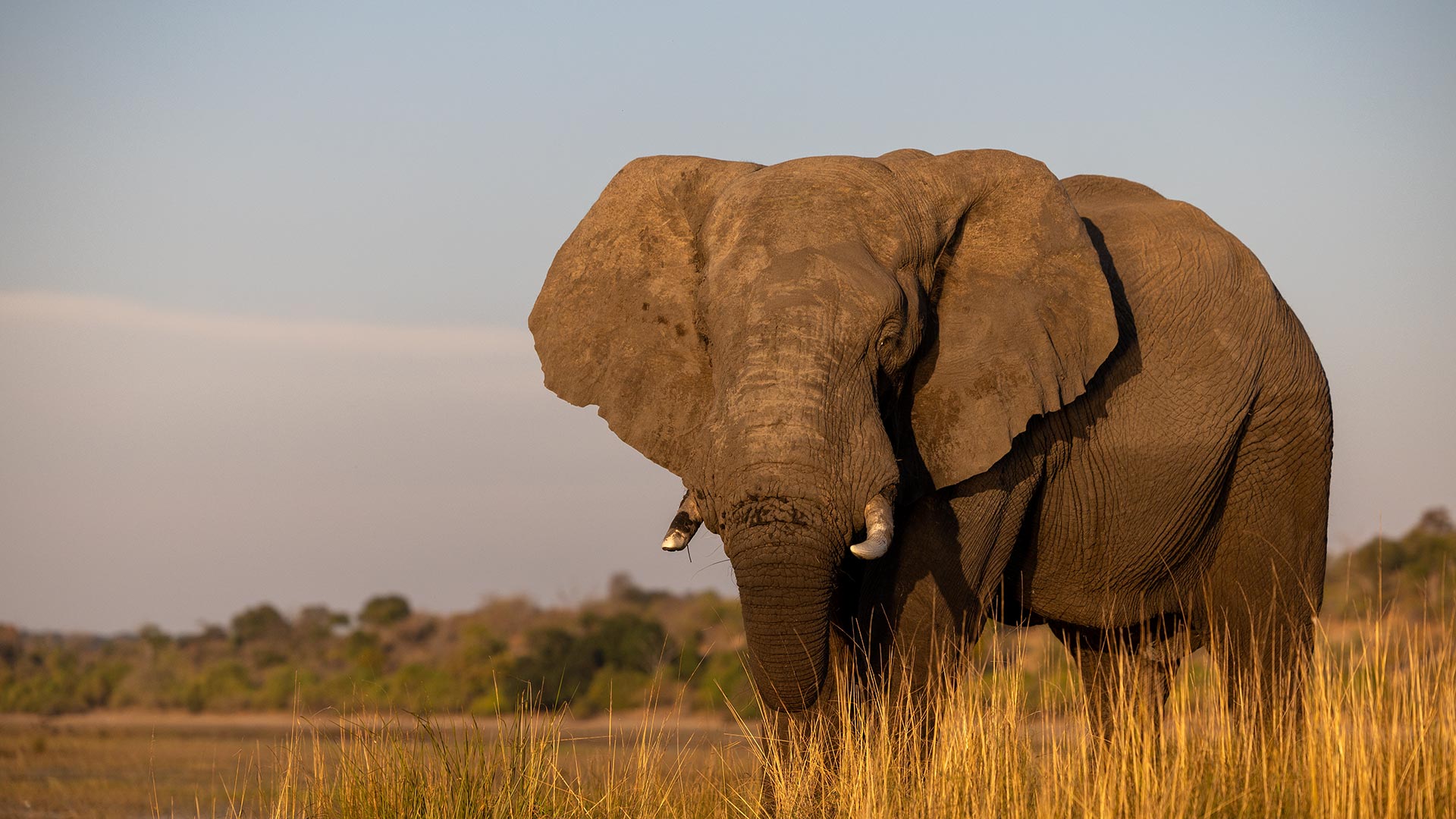
Join Diana on an unforgettable photography adventure to Mashatu Game Reserve and Chobe in Botswana, where vast landscapes, dramatic sunsets, and incredible wildlife create the perfect canvas for your camera.
- Learn More
Bespoke African Safaris
Let us plan a personalised private safari holiday in Africa, tailored to your interests, budget, and travel style. Top locations, outstanding wildlife experiences.
- Explore