African Photo Safari Packing Tips
Packing efficiently for any trip, including a wildlife photography tour, can be challenging. However, photographers face additional considerations because they usually prefer to keep their equipment in their carry-on luggage because of its value. Weight restrictions can be a major concern. The size of some wildlife lenses also makes it hard to find a camera bag that stays within maximum carry-on dimensions.
Carry-on Restrictions
Airlines also have luggage regulations for electronics, accessories, batteries, and power banks. Business-class photographers may not worry as much about carry-on weight, since they can bring an extra bag and carry more weight. However, before using this extra carry-on allowance, consider the entire trip. If your tour includes internal domestic flights or small charter flights, these extra carry-on allowances no longer apply.
Carry-on weight allowances vary by airline, typically falling between 7kg and 8kg. Most airlines, including some regional and domestic flights in Africa, also have dimension guidelines for carry-on luggage. However, on smaller domestic flights to safari destinations, airlines may not accommodate standard carry-on bags. If your bag cannot fit under the seat in front of you, the airline will require you to hand it to cabin attendants, who will place it in the hold.
Therefore, make sure your camera bag is lockable. Also, keep prohibited items, such as batteries, in your pockets, or carry a slim laptop bag or small handbag to put them into. This will avoid further problems if they insist on putting your camera bag in the hold. To avoid having to surrender your bag, make sure it does not exceed the allowed physical dimensions. Most airlines offer something like the following as a guide.
Dimensions of Hand Baggage
Carry-on item must not exceed 115cm overall.
| Dimensions | Maximum |
| Height | 56cm |
| Width | 36cm |
| Length | 23cm |
| Weight | 7kg to 8kg |
Travelling with Prime Lenses
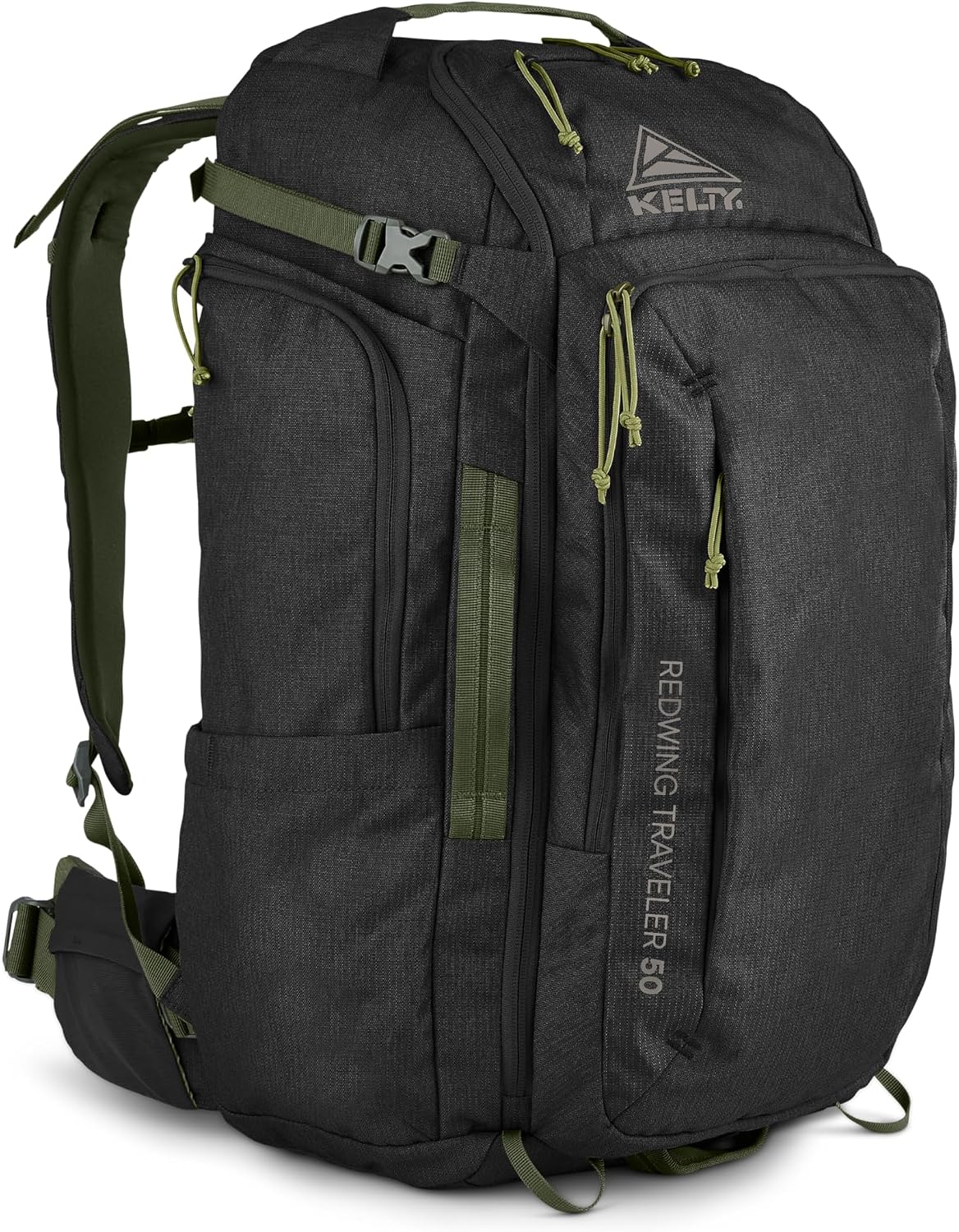
I travel with a 600mm prime lens and struggled to find a camera bag within the carry-on allowance that could fit the lens plus a camera body. Because of the lens's value, I also needed a strong, well-made bag that was still light. I found that the Think Tank BackLight 36L Backpack met my needs and hasn't been refused for being too big on flights with standard overhead luggage storage. However, I don't fill the outside pockets until I reach my destination, as the bag then exceeds the allowable dimensions.
Checking In With Camera Gear
With heavy camera equipment, it can be difficult to keep the weight under the allowance. While many photographers hope to avoid having their camera bag weighed, airlines are becoming stricter all the time, and I've had mine weighed at least once on my last four trips. If you are overweight, keep your bag on while you check in and make sure you can lift it unaided into the overhead lockers. Asking for assistance will draw attention to the fact that your bag is heavy.
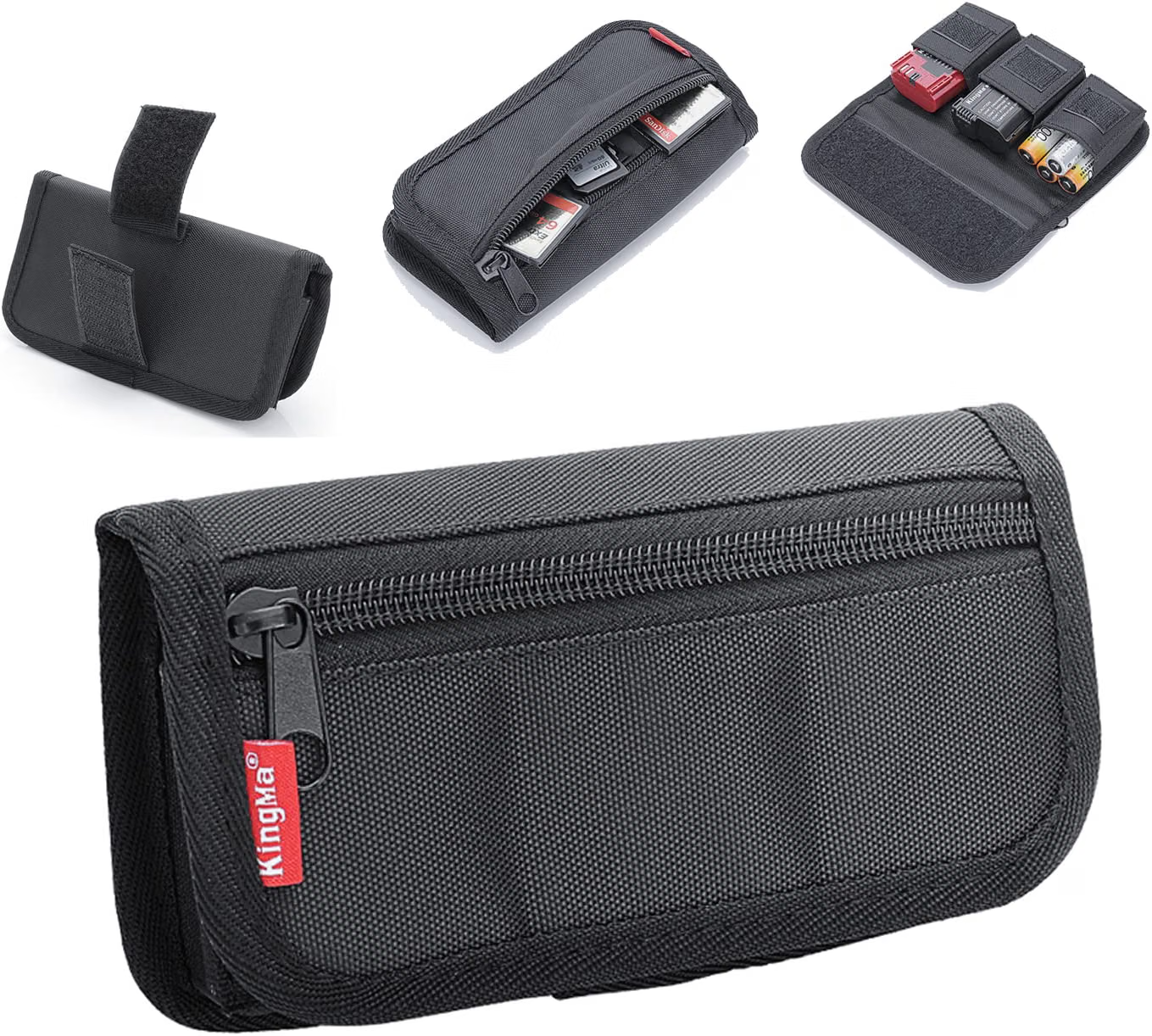
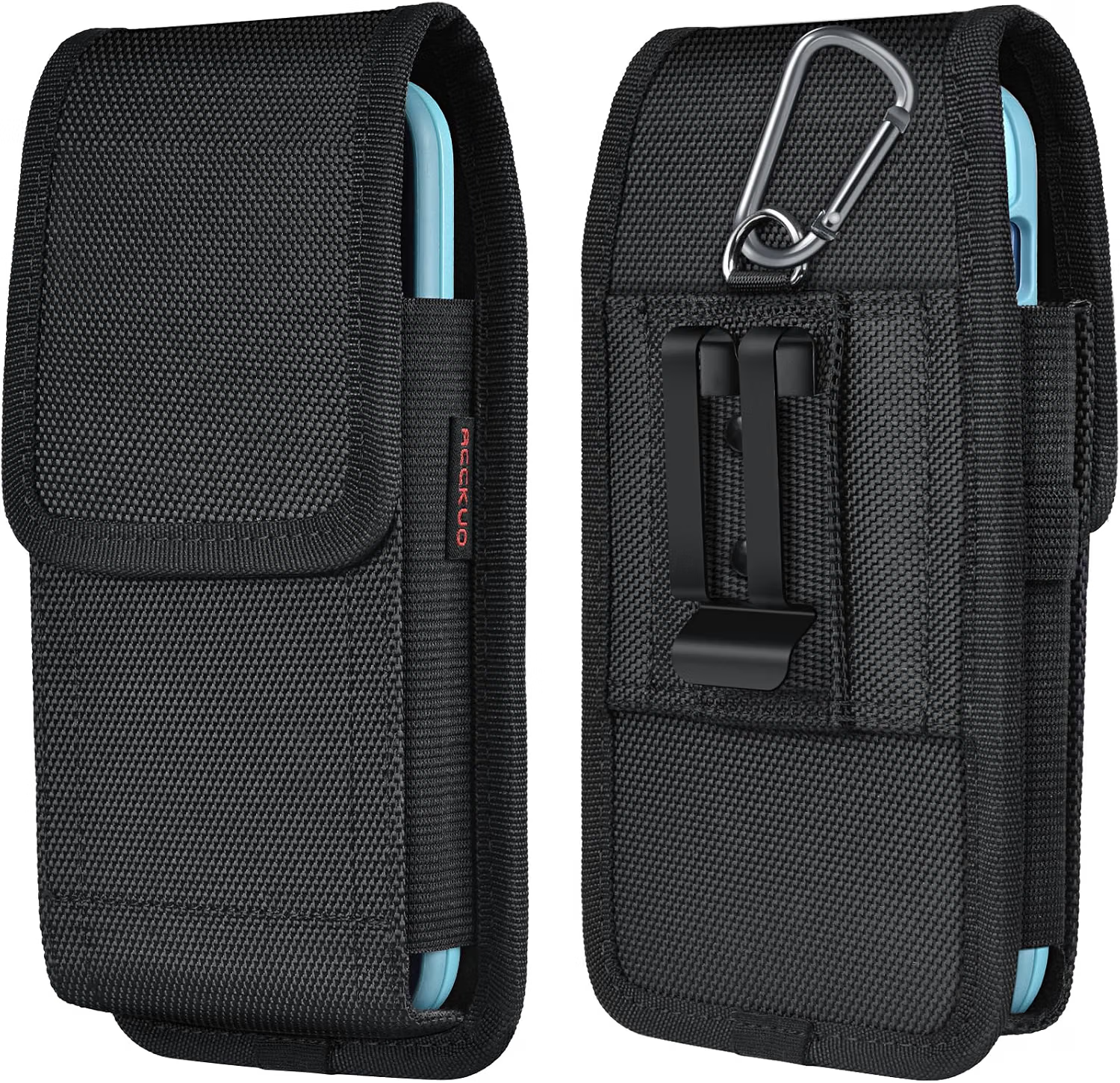
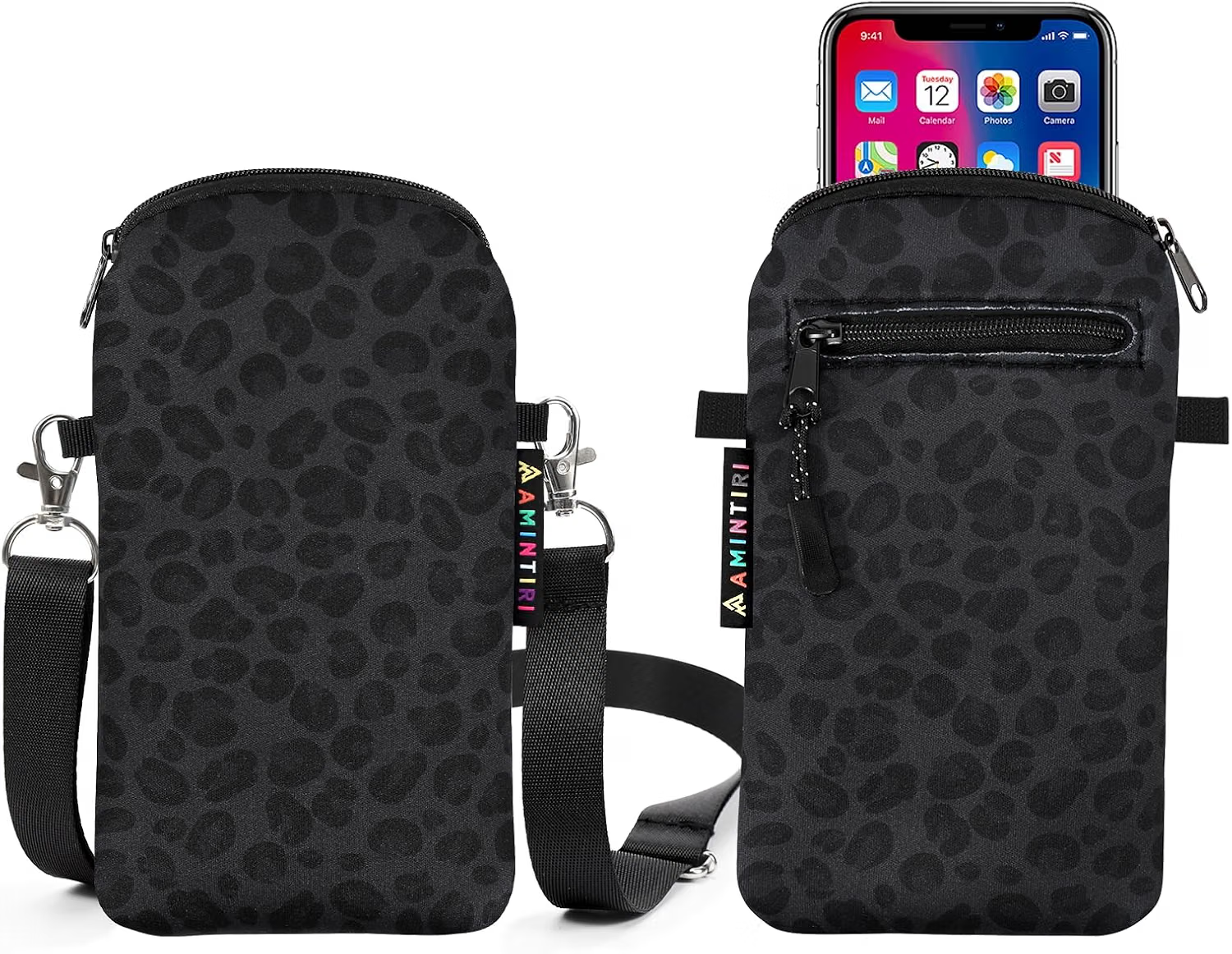
If you have more gear than your bag can carry without going overweight, you may need to get a little more creative with your wardrobe. Remember, you'll need to remove any jackets and belts with metal components during security scanning. I use a phone holder and battery pouch that fit on my belt to hold my phone, power bank, and batteries. Another useful option that also prevents your phone from falling out of safari vehicles is a lanyard phone holder. Cargo pants with leg pockets are also useful for holding small, portable accessories, especially if the season is too hot to travel with a jacket.
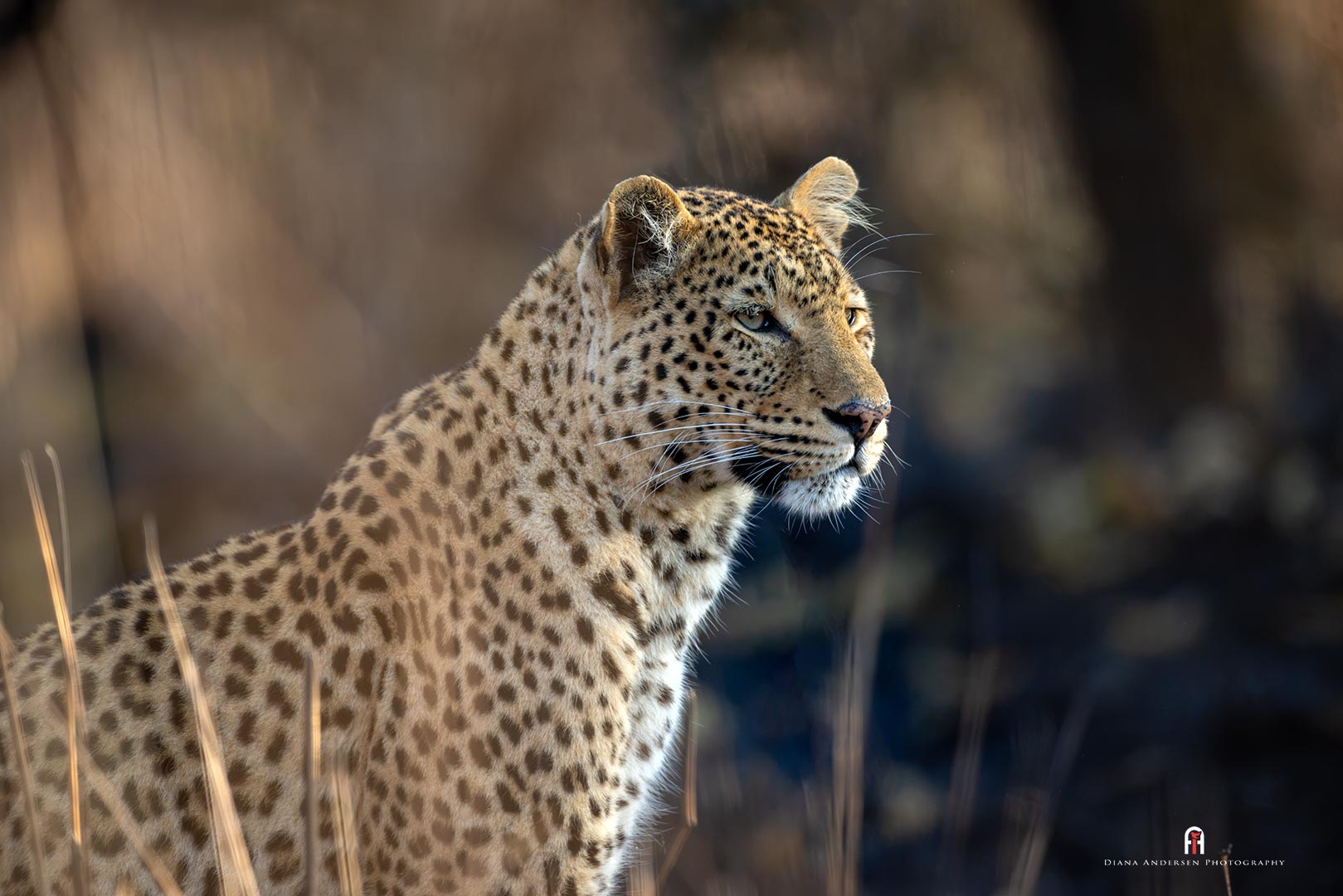
Zambia Photo Safari
Step into the wild and capture Africa at its most spectacular on an exclusive photography tour to South Luangwa, Zambia, led by Diana Andersen.

Bespoke African Safaris
Let us plan a personalised private safari holiday in Africa, tailored to your interests, budget, and travel style. Top locations, outstanding wildlife experiences.
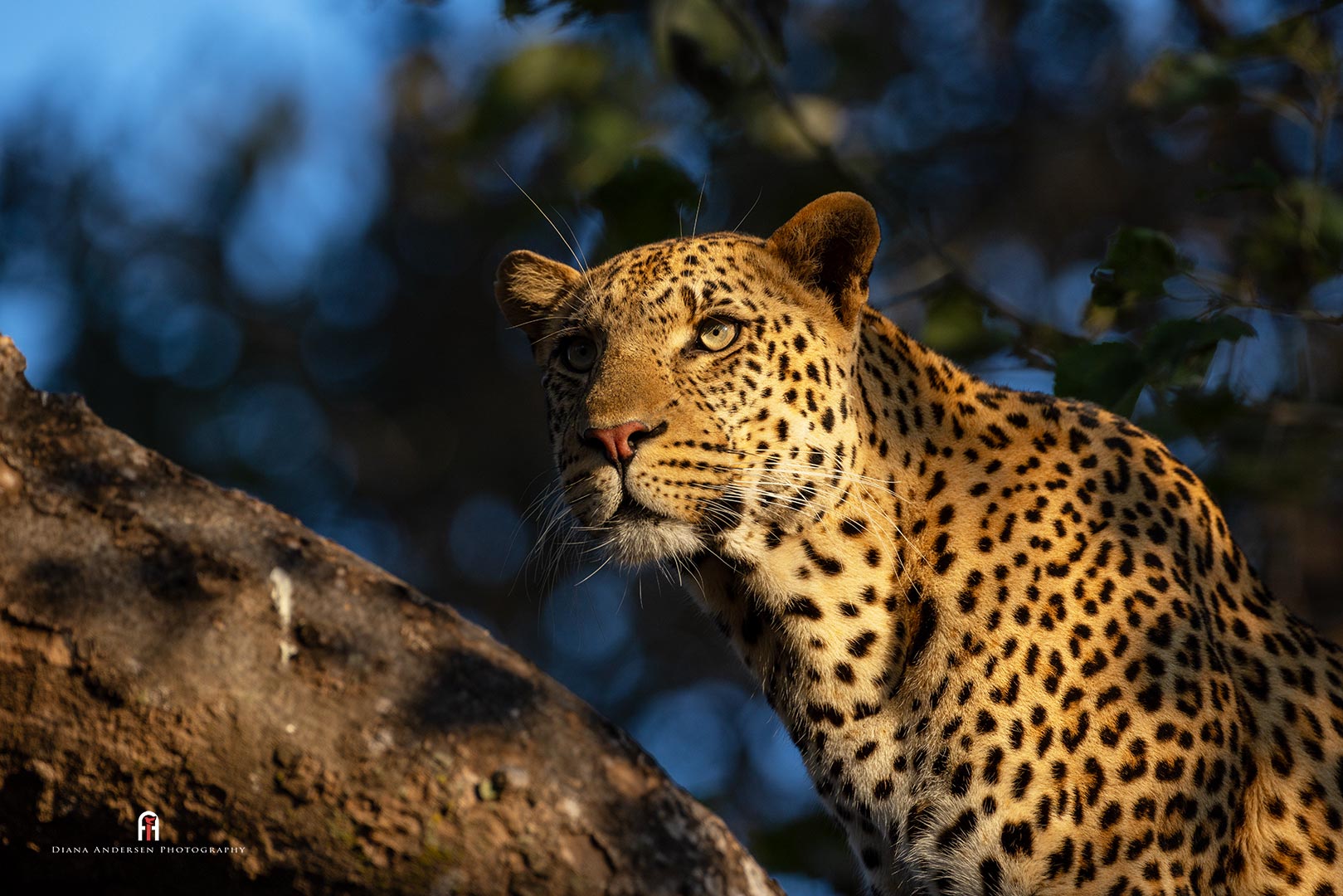
Botswana Photo Tour
Join Diana on an unforgettable photography adventure to Mashatu Game Reserve and Chobe in Botswana, where vast landscapes, dramatic sunsets, and incredible wildlife create the perfect canvas for your camera.
Night Binoculars

What if My Checked Bag Gets Lost?
Keep in mind that checked baggage can get lost or delayed. This happens frequently, and in the worst case, you can easily buy clothing and personal items at many airports. However, replacing specialised photography accessories may be more challenging. I always keep a small checklist of essential items, along with my main camera body and lens, in my carry-on or pockets. This way, I can still take photographs even if my main bag doesn't arrive on the same flight. This includes the following -
- camera batteries and charger
- card reader and the appropriate cables for downloading photos
- SSD hard drives
- Lens wipes
- Laptop and power supply
- Phone and charging cable
- Small rechargeable torch
- At least one power plug adapter for the country you are heading to. While adapters are available in most airports, the exact configuration for converting from your country's plugs to local power may be hard to find.
- Any prescription medication
How Much Checked Baggage Can I Take?
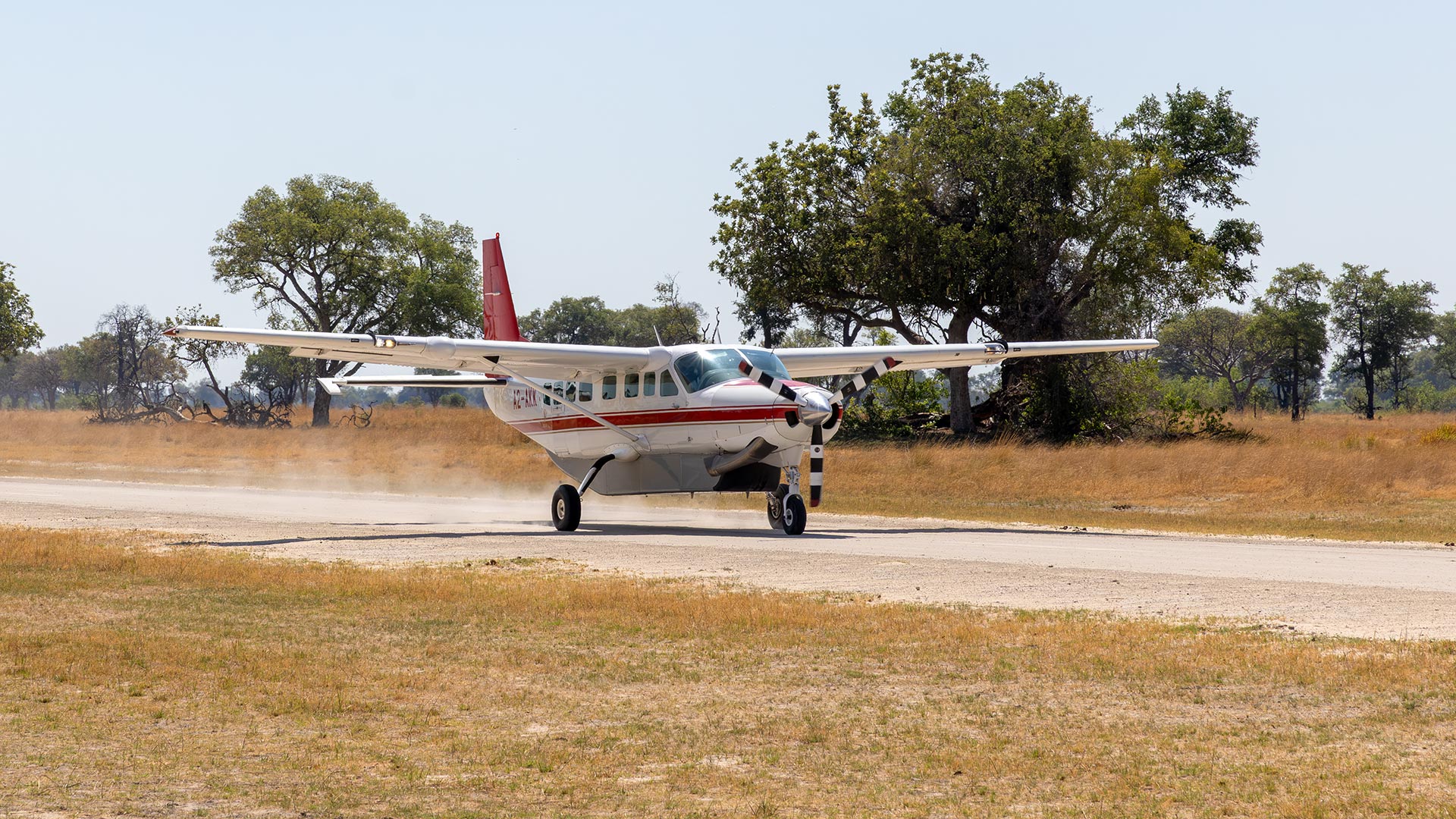
To determine the amount of checked baggage to take, consider the smallest baggage allowance for any leg of your journey, unless you plan to store some luggage at storage facilities along the way. Locations reached by small aircraft, such as remote areas of Botswana, Zambia, and Zimbabwe, have strict size and weight guidelines. The total is usually 20kg, including your carry-on, which can be extremely restrictive for photographers. The ratio is generally 15kg checked baggage and 5kg for carry-on, but they seem flexible on the ratio.
The size and type, however, are non-negotiable and very strict. These small bush planes can't take large hard cases or rolling duffels with a frame, as they won't fit in the compartments under the plane or in the luggage pods on the wings. Soft duffel bags with maximum dimensions of 25 cm (10 inches) wide by 30 cm (12 inches) high and 62 cm (24 inches) long, approximately 45 L, are the only bags allowed.
You never know how small the plane will be until it arrives, but I have been in some as small as 4-seaters to some wildlife destinations, so weight is a serious consideration. The good news is that most good lodges offer excellent same-day laundry service so that you can get by with minimal clothing. Even if your tour does not involve charter flights, soft-sided bags are still a better option than hard cases. Transfer vehicles from airports to wildlife destinations can also struggle to accommodate hard-shelled cases.
Should I put Camera Gear in My Checked Baggage?
I always bring two camera bodies and two to three lenses when I travel, and I recommend that my guests do the same. Nothing's worse than a camera body failing during a tour—except not having a backup. In remote locations, there are no repair options, so unless you want to rely on your phone for photography, pack a spare! Of course, two camera bodies and heavy prime wildlife lenses will not fit into my carry-on without exceeding the weight limits.
As a result, I generally need to pack a couple of lenses in my checked baggage. I usually pack the oldest and least valuable lenses in my checked baggage, and the ones I can do without if my luggage goes missing. If you do the same, use padded lens cases and make sure you have sufficient insurance in case your luggage is lost.
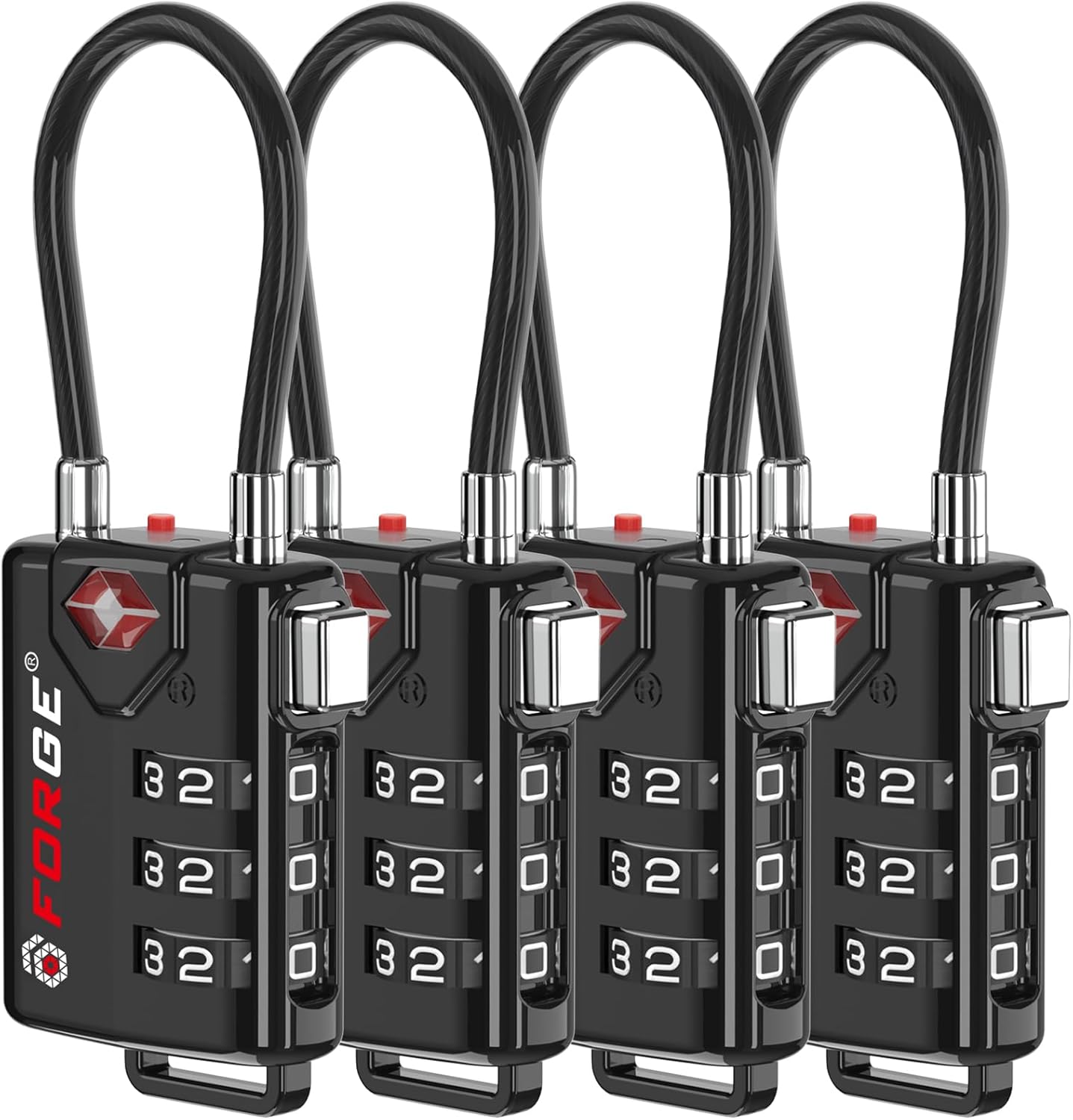
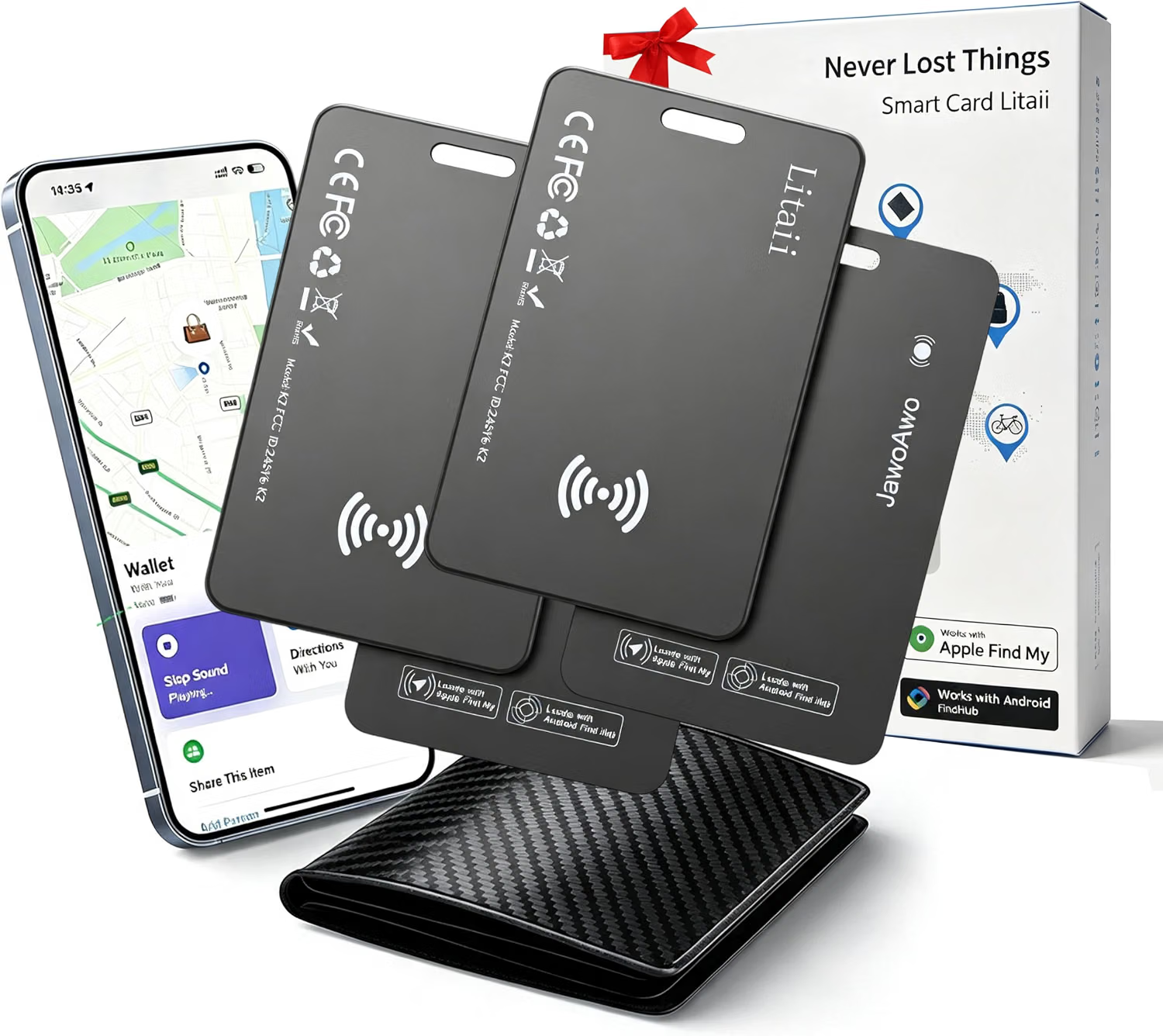
I also recommend using TSA-approved luggage locks on checked baggage. Security screeners can open these padlocks with a master key and re-lock them without damaging the locks. If authorities search your bag for any reason, these locks help keep it secure after inspection. I also use luggage trackers so I can track my camera bag, checked baggage, or laptop bag if it goes missing.
What Accessories Should I Take?
As photographers, we tend to err on the side of caution and bring too many accessories, which unnecessarily adds weight. However, I also find that guests leave behind some items that I consider essential.
Electronic Storage
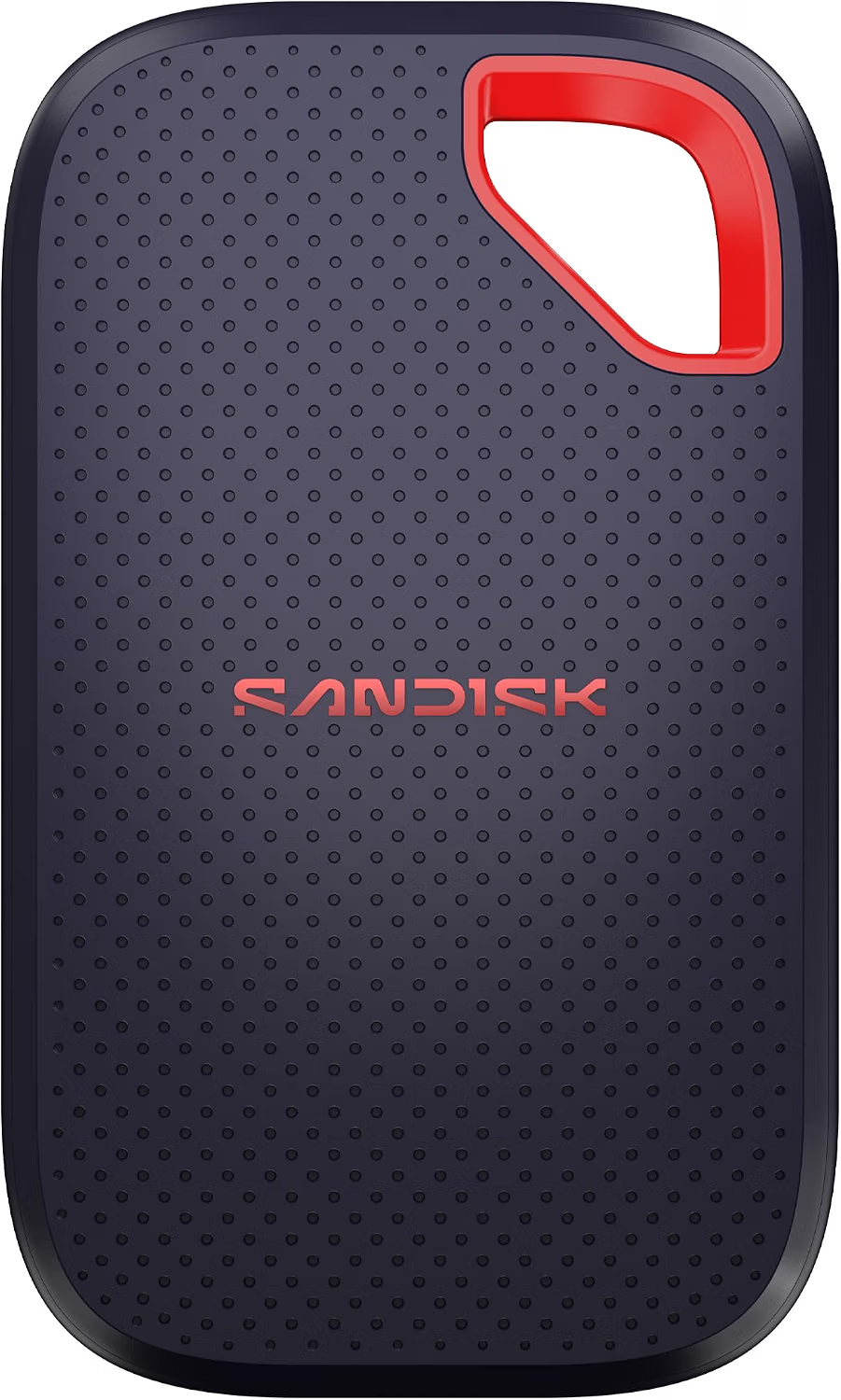
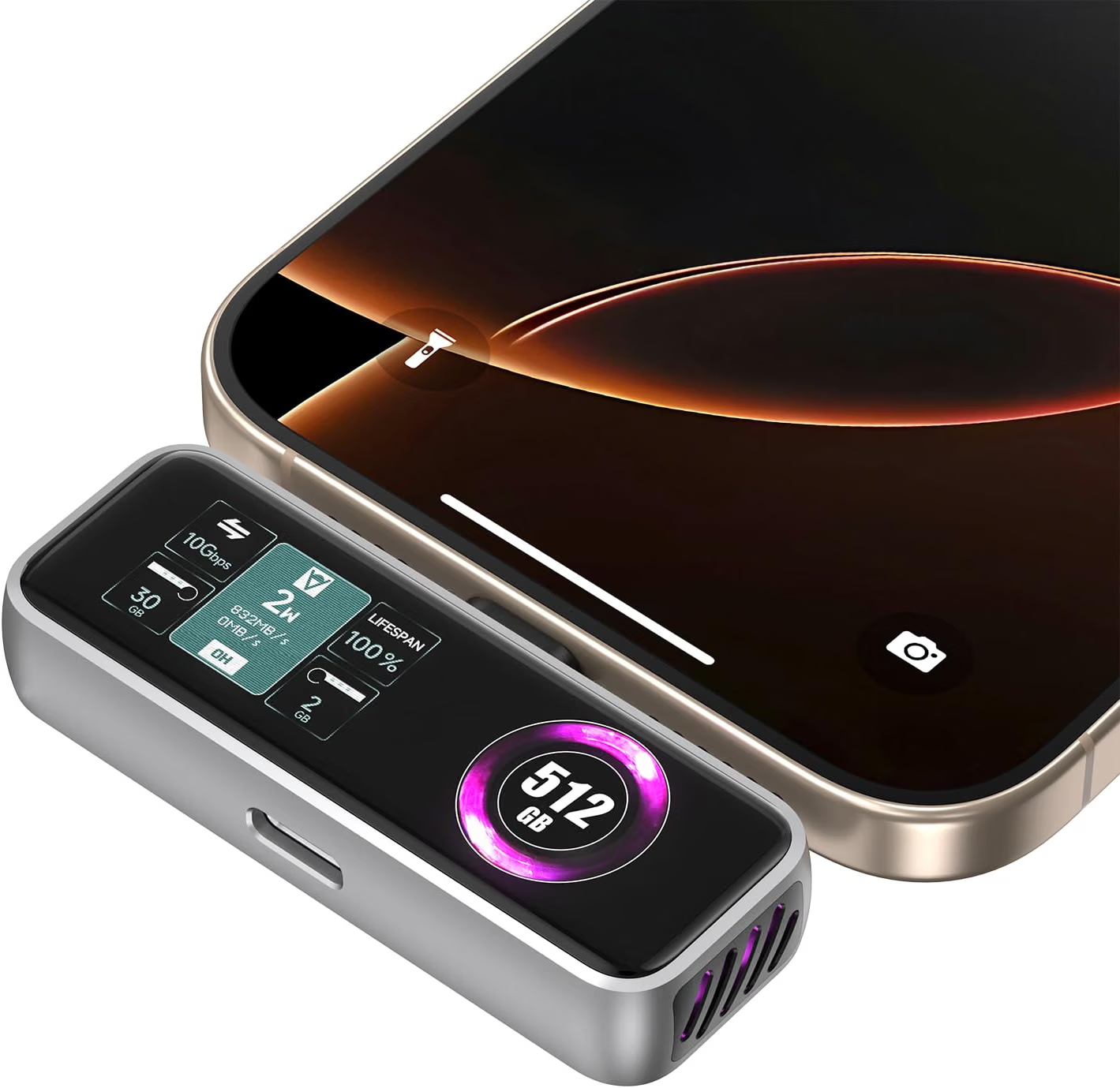
The first accessory I insist on bringing is two portable hard drives to download and back up images daily. Solid-state drives (SSDs) are small, lightweight, and more stable and reliable than cheaper traditional hard drives with spinning parts. If you plan to record videos on your phone during your tour, I also recommend an external SSD designed for phone use. Many newer Android phones and iPhones allow you to save video files directly to an external drive. I use a Zike Tech SSD, which connects to the end of my phone, letting me record in 4K without filling up my phone's storage. At the end of the day, I back up the files to one of my storage drives.
Relying on taking extra memory cards so that you don't have to download until you get home is problematic. Memory cards and hard drives can fail, and those precious memories and images are gone forever. At the end of each day, I download my images to one SSD, then copy the files to a second drive before clearing my cards. Storing your images in the cloud may not be possible because internet access is slow or unavailable in remote locations.
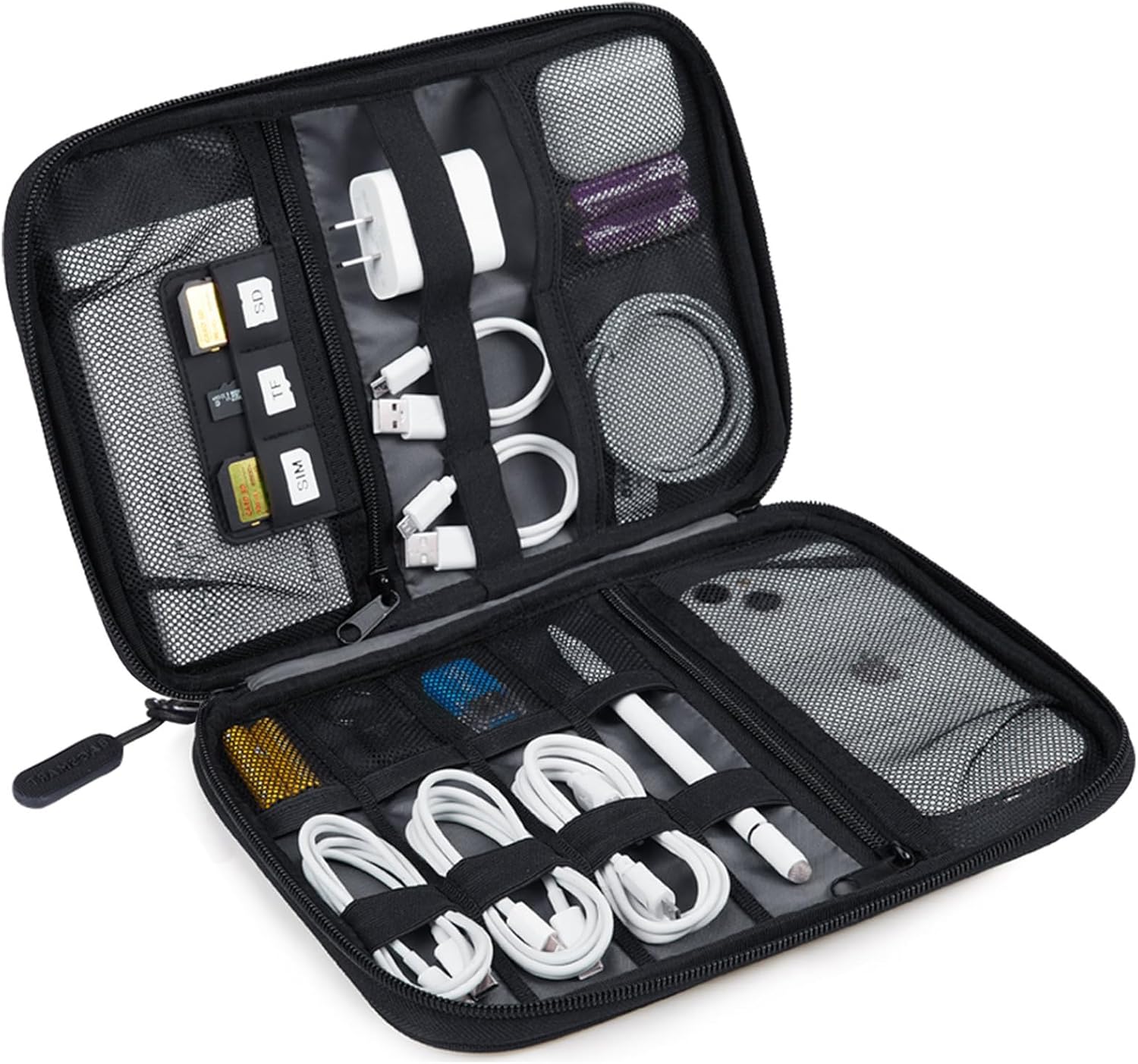
Make sure you have all the appropriate cables to connect your storage devices and card readers to your computer. One of the most useful items I have purchased is an electronic travel organiser to hold all my cables and adapters.
Power and Adapters
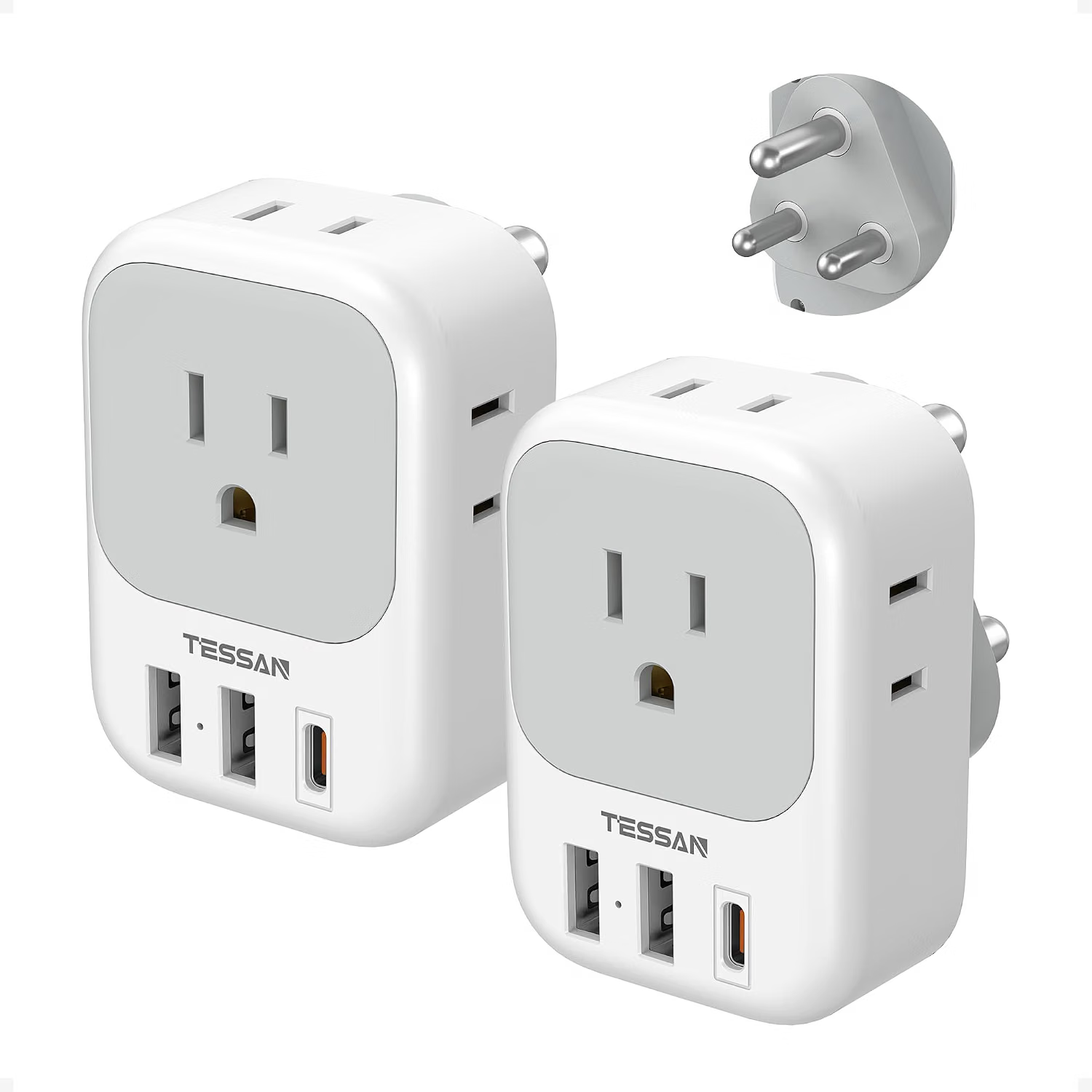
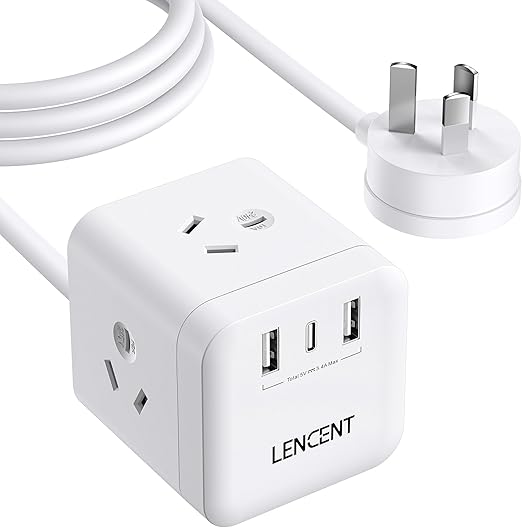
Photographers often have more electronic gadgets than most people, and they need to charge them quickly while on tour. One of the most useful accessories for this purpose is a small power board, preferably equipped with surge protection, standard sockets, and USB ports (both Type B and Type C). I bring specific power adapter plugs because I find some universal adapters to be too large and bulky for certain power outlets in safari tents.
In Africa, the voltage ranges from 220V to 240V, so if you're coming from a country like the US, which uses 110V, you'll need an adapter that also converts the voltage to prevent damage to your equipment. African countries primarily use M- and G-style plugs, so I always pack both types, since you may need them when crossing borders. For example, South Africa uses M-style plugs, while Zambia uses G-style.
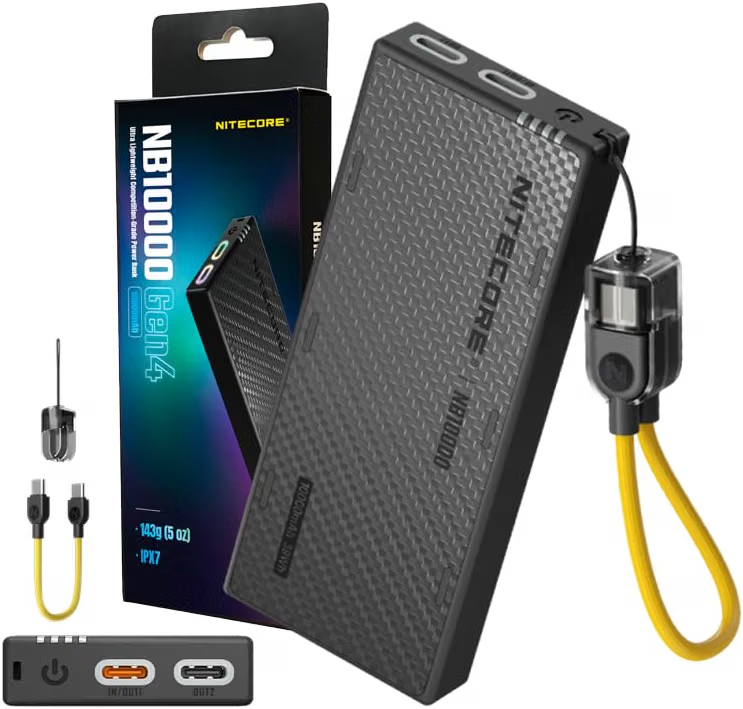
A power bank can also be incredibly useful if your phone needs charging during a game drive, especially if you're using it to record video. I use a compact Nitecore NB10000 GEN 4 charger. Although airlines have started regulating the size of power banks allowed on board, I have no issues with my 10,000 mAh charger.
Bean Bags, Tripods, Monopods and Gimbals
One of the most common questions I receive is about tripods and bean bags. Unless your tour includes landscape photography, I recommend against using tripods. They can be awkward to manage inside safari vehicles and add unnecessary weight to your gear. Instead, I prefer a monopod because of my prime lens's weight. I attach it to a fishing gimbal belt around my waist, which lets me spin around freely while shooting.
Bringing your own bean bag may cause problems at the airport because the rice or grain inside can trigger issues during biosecurity screening. If you decide to bring one, I recommend using an empty bean bag with a zipper that you can fill with local grains when you arrive. If you're on a dedicated photography tour or visiting a game reserve that often accommodates photographers, they may provide bean bags. Ask your tour organiser to check.
If you plan to visit photographic hides, check with the tour organiser, as they may have gimbals or bean bags available. I bring my own Neewer gimbal for video footage, which is mounted on an upturned frying pan. I can disassemble it for easier packing and to save space. However, if hide photography isn't part of my itinerary, I skip bringing it altogether to avoid adding extra weight.
Other Handy Items
I always suggest bringing a few additional handy items for your photography needs. First, pack a small camera-cleaning kit with both wet and dry wipes for dusty conditions. A multi-tool is also useful for tightening Arca plates on your camera or monopod head; I personally use a photography keychain multi-tool with various Allen key heads.
Lastly, a small but powerful rechargeable torch can be very helpful, as the lighting in safari accommodations is often quite dim when you're searching for items in your bag. Remember to pack the rechargeable torch in your carry-on luggage.
Advertiser Disclosure
We are a participant in the Amazon Services LLC Associates Program, an affiliate advertising program designed to provide a means for us to earn fees by linking to Amazon.com and affiliated sites.
Share On
Zambia Photo Safari
Step into the wild and capture Africa at its most spectacular on an exclusive photography tour to South Luangwa, Zambia, led by Diana Andersen.
- Book Now
Botswana Photo Safari
Join Diana on an unforgettable photography adventure to Mashatu Game Reserve and Chobe in Botswana, where vast landscapes, dramatic sunsets, and incredible wildlife create the perfect canvas for your camera.
- Learn More
Bespoke African Safaris
Let us plan a personalised private safari holiday in Africa, tailored to your interests, budget, and travel style. Top locations, outstanding wildlife experiences.
- Explore