The Lure of Leopards
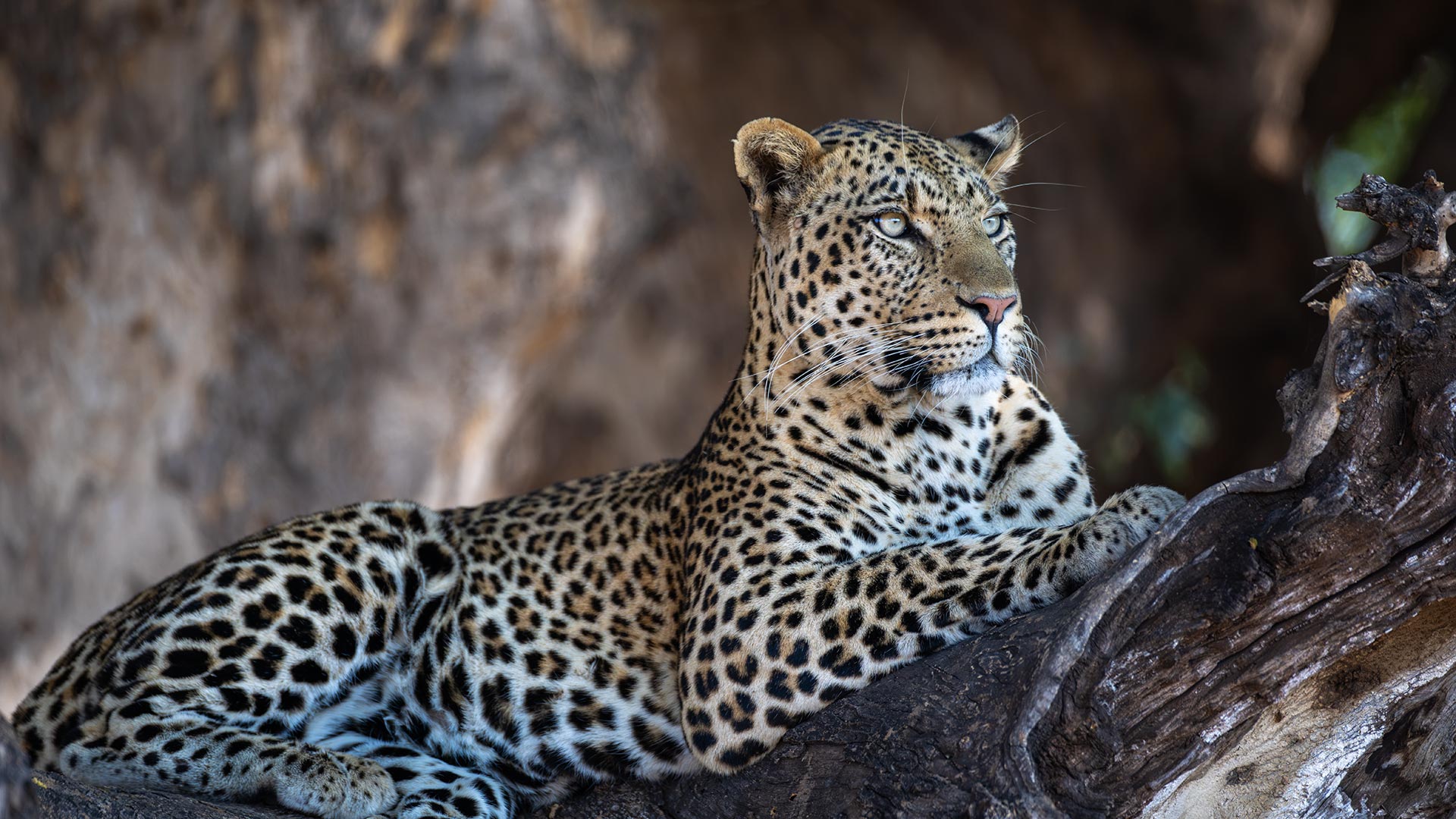
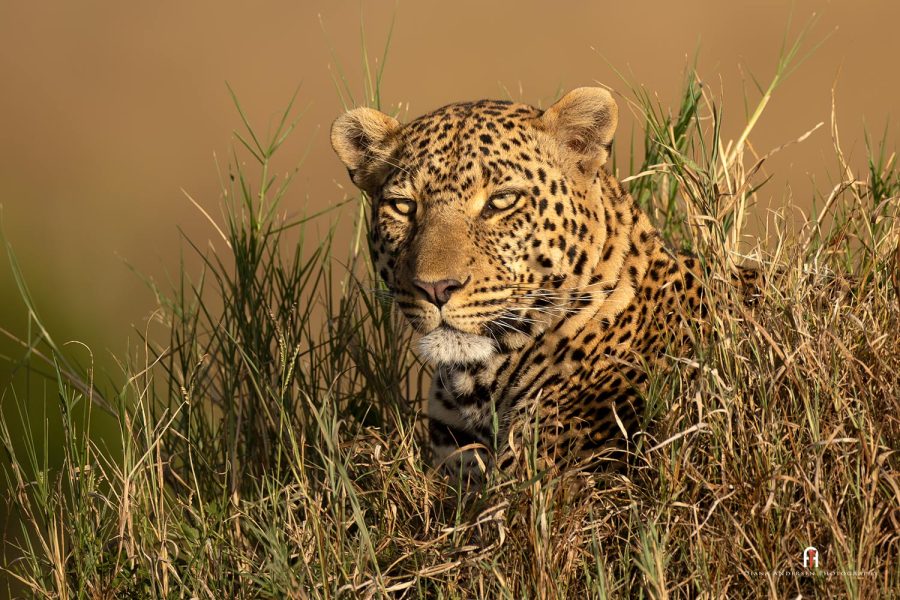
Few African animals attract visitors as much as leopards, but they're also the most challenging of the 'Big Five' to spot. These iconic and beautiful cats are found widely across Africa, but their conservation status remains vulnerable. They tend to be elusive, and their mostly nocturnal hunting habits can make them difficult to see. However, in some places I've visited, leopard sightings have been much more predictable, and I've been fortunate to have many exceptional encounters. So, where are the best places to go if you're hoping for good leopard sightings and great photo opportunities?
Many safari destinations advertise leopards, but that doesn't guarantee that you'll actually see one. Leopards are solitary, territorial and often establish networks of territories based on family connections. These family dynamics can shift over time, with individuals pushing each other from one area to another. Young leopards are particularly vulnerable to attacks from other leopards over territory, and once they lose their mothers' protection, they must disperse to find their own territory. Attacks by fully mature adults often kill many young leopards.
Understanding Leopards
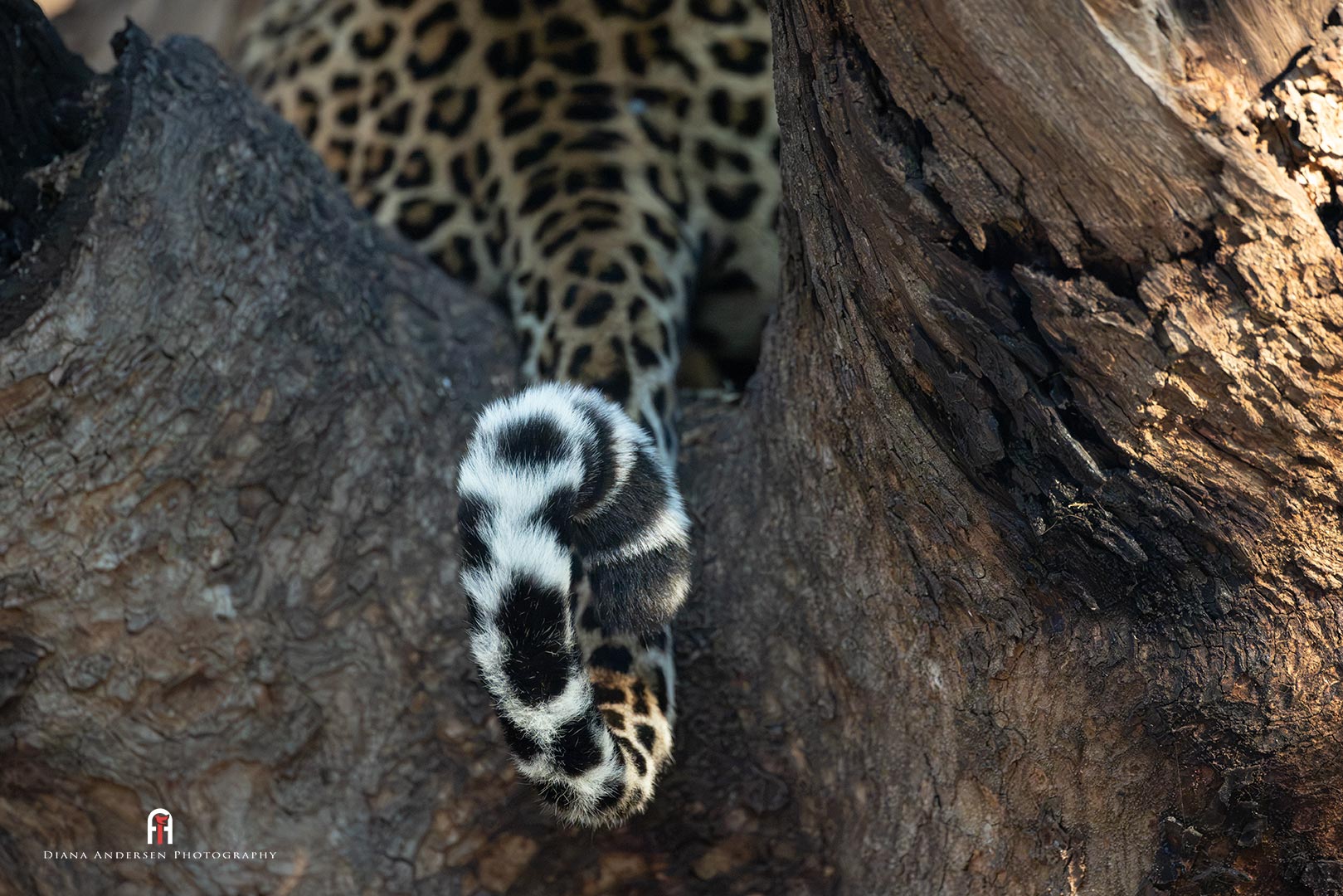
The best way to see leopards is to visit areas where game reserves and safari operators know the local leopards and their territories near your lodge or camp. You will also need the keen eyes of a guide, a tracker, or both. With untrained eyes, these animals can be incredibly difficult to spot. I recall guides spotting leopards by as little as a tail hanging from a tree, or an unusual silhouette in a tree they'd passed countless times before. In fact, I once had a guide locate a leopard at night simply by identifying the scent of its droppings as we drove along in the dark.
Leopard Habitats
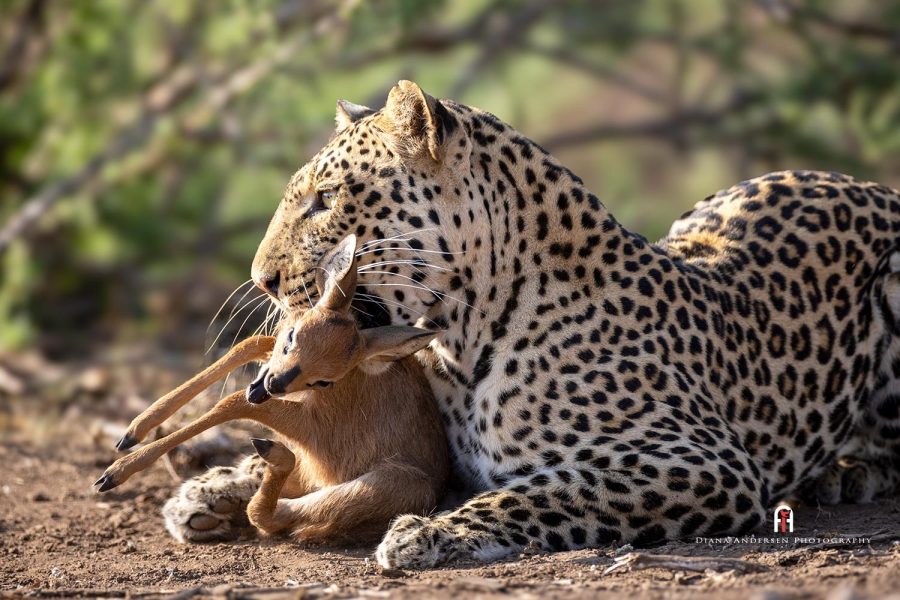
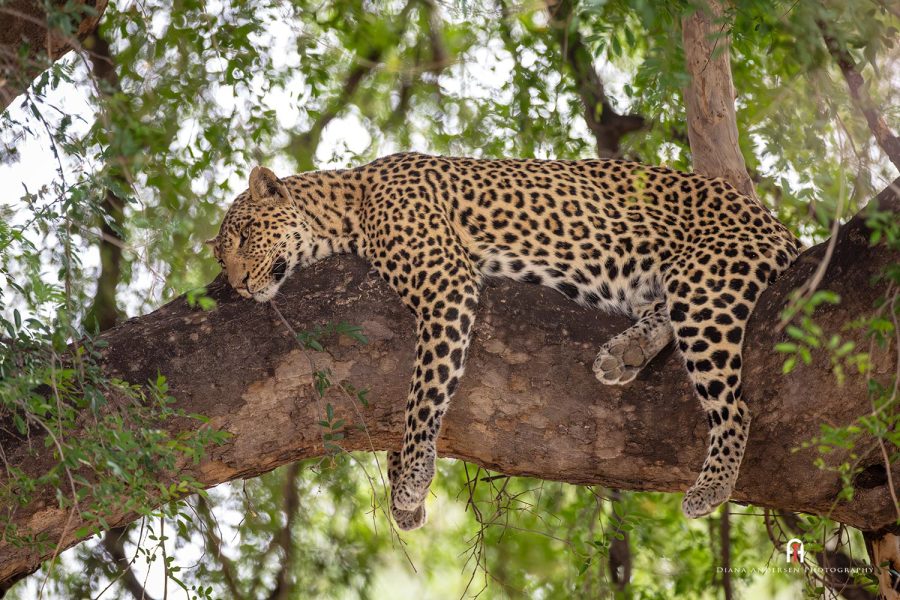
In many good locations, leopards are known by name and lineage, meaning sightings are common enough to identify individual animals. However, habitat and season can significantly affect sighting quality and your chances of getting a good photo. Leopards require trees to protect their kills from other predators like lions and hyenas. They also use trees to sleep safely, act as lookouts, and ambush prey, resulting in the iconic 'leopard in a tree' images that many people hope to capture.
While large trees with broad branches and sparse foliage offer the best opportunities for sightings and photography, dense, cluttered bushes can obstruct views and produce images that don't meet your expectations. As a result, the green season can make wildlife sightings less predictable, and animals can be harder to photograph clearly, especially elusive species like leopards. If seeing leopards is a priority, later dry-season safaris might be a better option. Alternatively, consider visiting game reserves where vegetation opens up early in the green season.
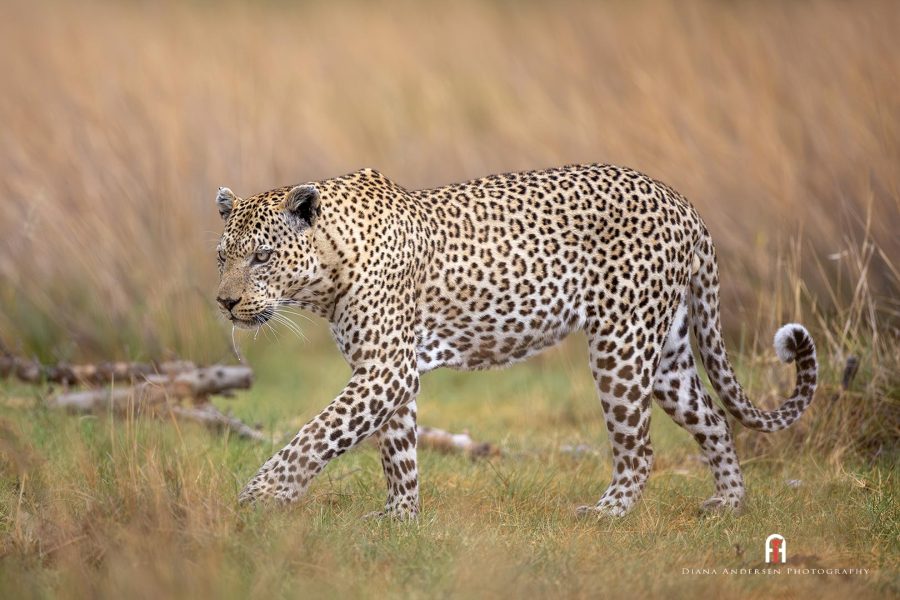
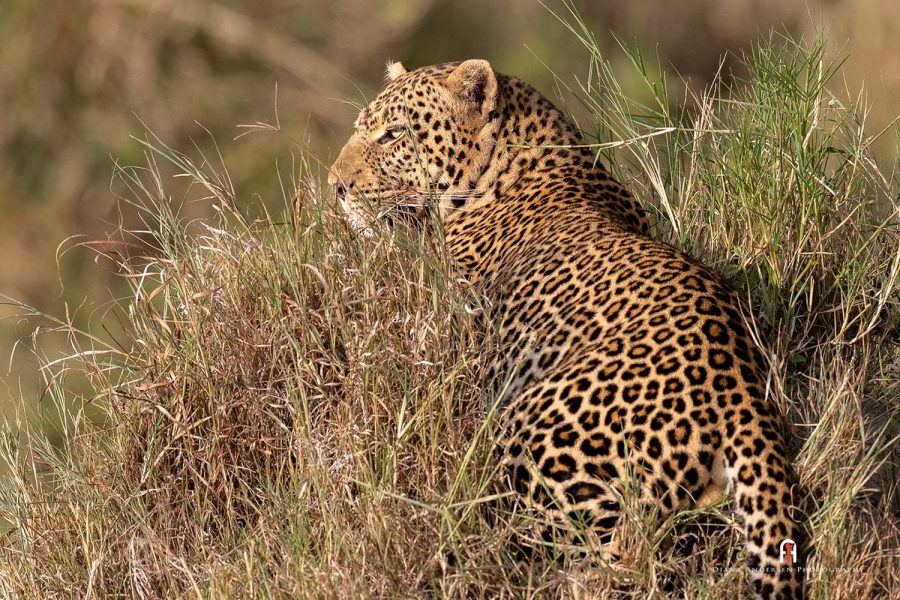
Despite their reliance on trees, they are equally at home in savannah grasslands, where tall grass offers excellent camouflage. Approaching plains game through long grass gives them a distinct advantage, but they still need to get their kills into a tree and find places to hide their cubs when they are young. Many safari locations in Africa meet these needs for leopards, but which are best?
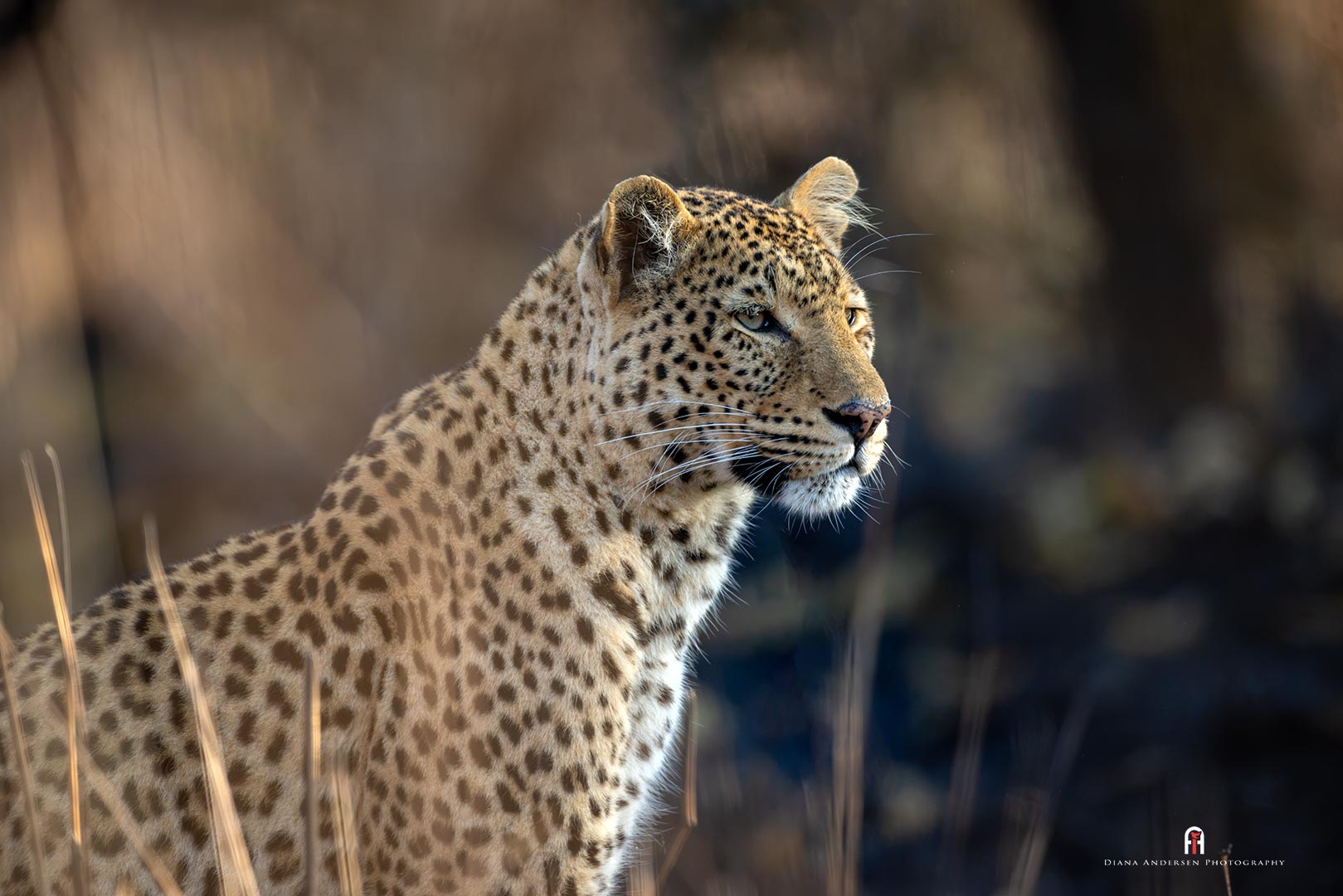
Zambia Photo Safari
Step into the wild and capture Africa at its most spectacular on an exclusive photography tour to South Luangwa, Zambia, led by Diana Andersen.
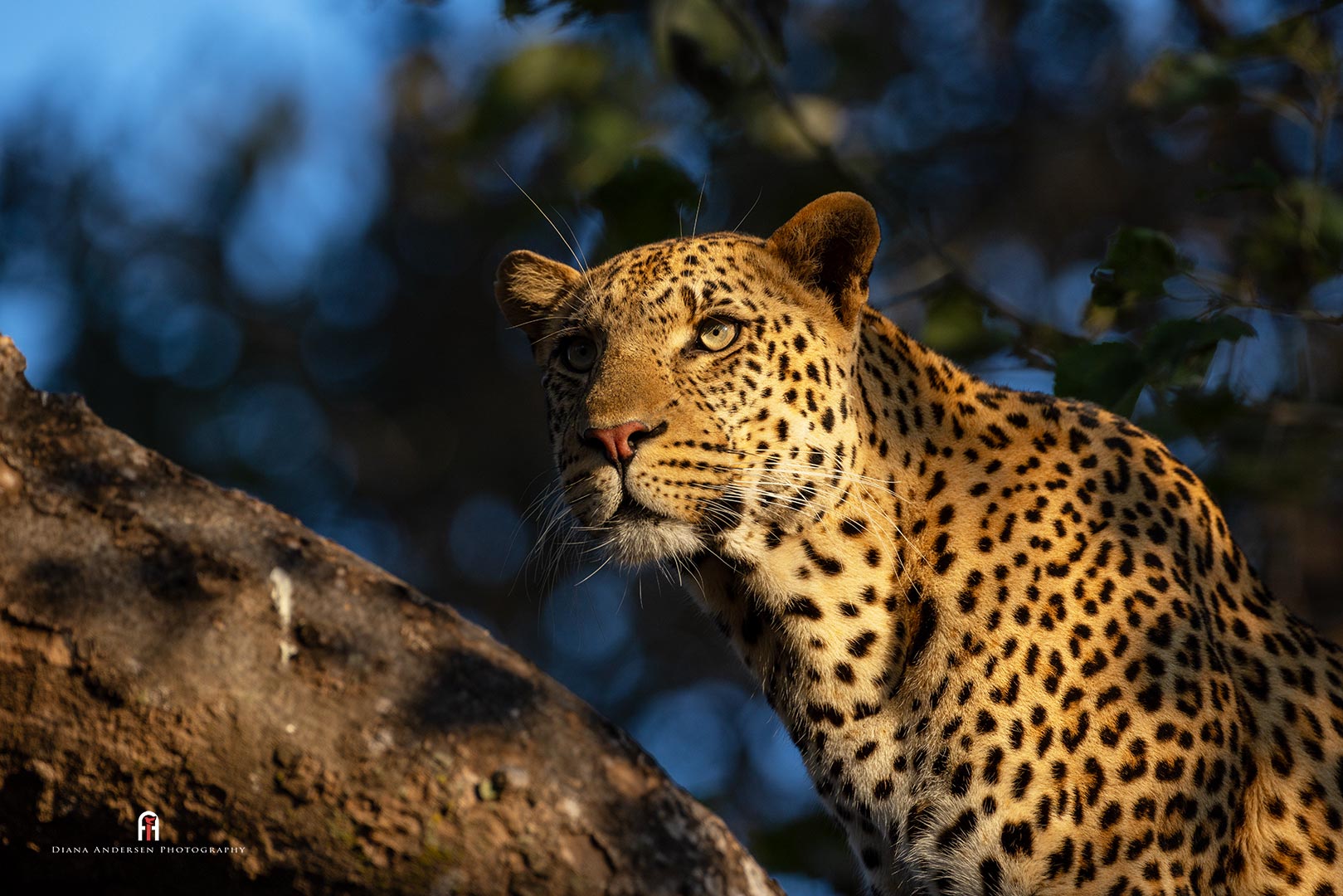
Botswana Photo Tour
Join Diana on an unforgettable photography adventure to Mashatu Game Reserve and Chobe in Botswana, where vast landscapes, dramatic sunsets, and incredible wildlife create the perfect canvas for your camera.
Bespoke Safaris
Let us help you plan your ultimate safari adventure!
Zambia
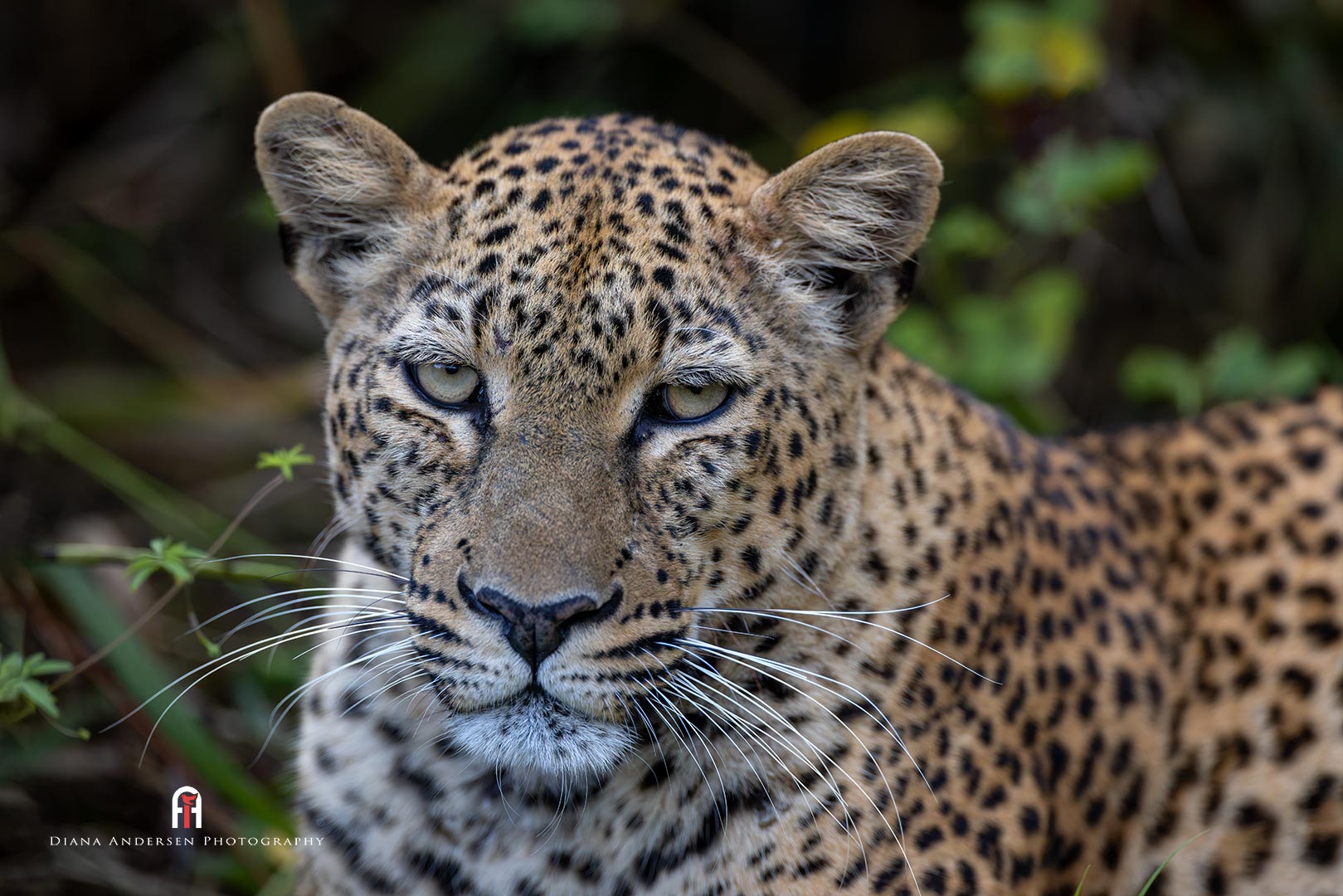
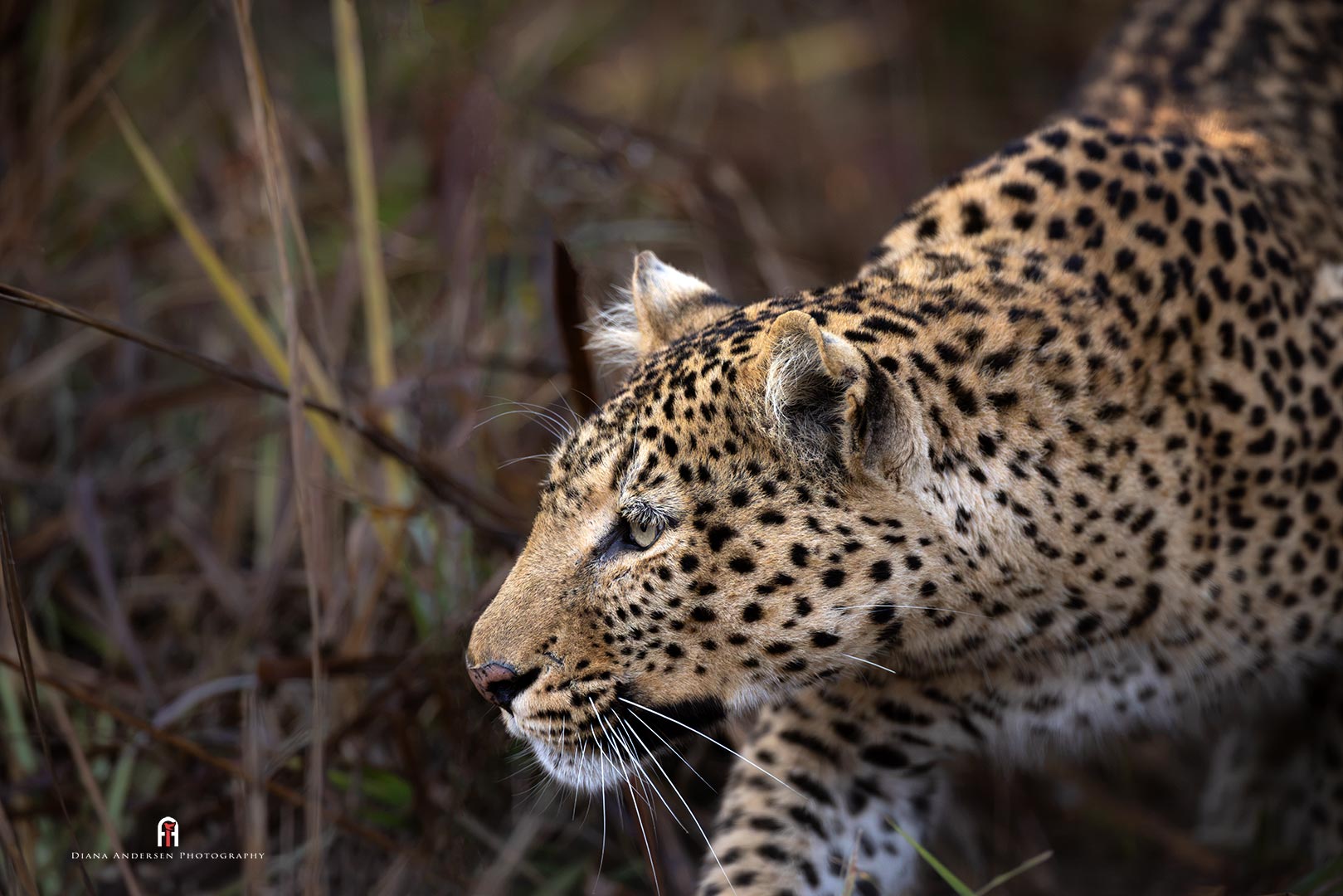
The South Luangwa area of Zambia is known as the 'Valley of the Leopards' due to its high density of leopards. This is definitely an area where you can find camps and lodges that know individual leopards by name and lineage. Still, many more leopards exist than those known to certain camps, with an estimated 1000 to 1200 throughout the camp's 9050 square kilometres. One camp that knows its leopards by name is Kaingo, meaning leopard in the local Nyanja language. The habitat around the camp features beautiful savannah woodlands that offer great photographic opportunities. Still, the bush can be quite dense early in the green or emerald season, making sightings more challenging.
Other locations in Zambia that offer excellent leopard viewing include Lower Zambezi and Kafue National Parks. Even during the green season, leopard sightings are relatively common despite the heavy vegetation. During my stay in the Lower Zambezi, I visited Chula Camp, operated by Classic Zambia Safaris. This authentic bush camp is the only one on the island. At the time of my visit, five leopards lived on the island, and camp staff pointed out tracks from a female leopard and two cubs that had passed through the camp overnight.
Botswana
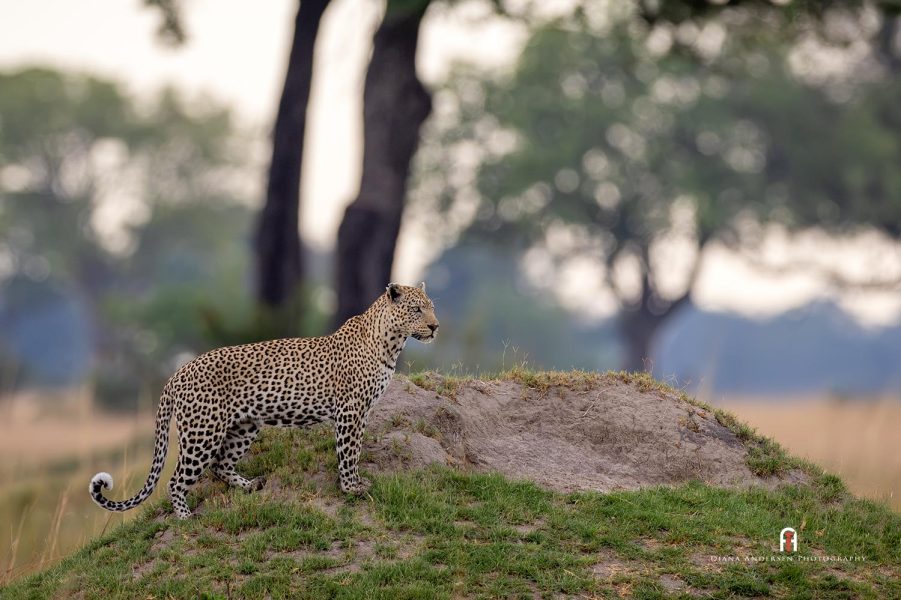
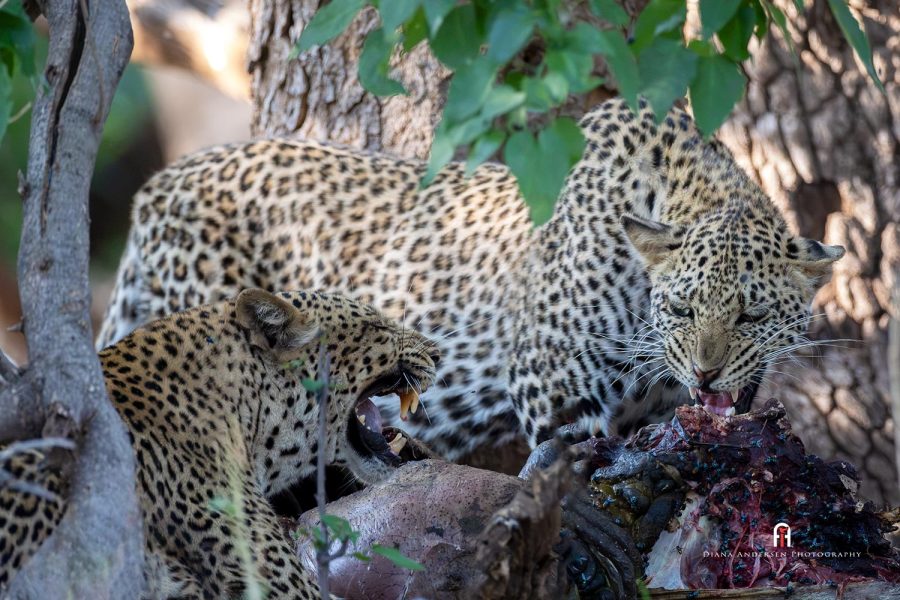
Botswana is one of Africa's best places to view leopards, with high animal densities and excellent photographic opportunities. Documentaries about leopard life have been filmed in several locations in Botswana. One notable film, "Living with Leopards," was shot around Mokolwane Camp in the Xudum Concession of the Okavango Delta. I have also had remarkable leopard encounters with multiple individuals in the Shinde Concession, also in the Okavango Delta.
"Mashatu: Land of Leopards" is another award-winning National Geographic documentary filmed entirely in the Mashatu Game Reserve, located in the Tuli Block of southeastern Botswana. I visit this exceptional game reserve regularly, and it consistently offers outstanding leopard sightings. The river system, abundant wildlife, and remarkable giant Mashatu trees create the perfect habitat for these majestic cats to survive and thrive.
- View Images
South Africa
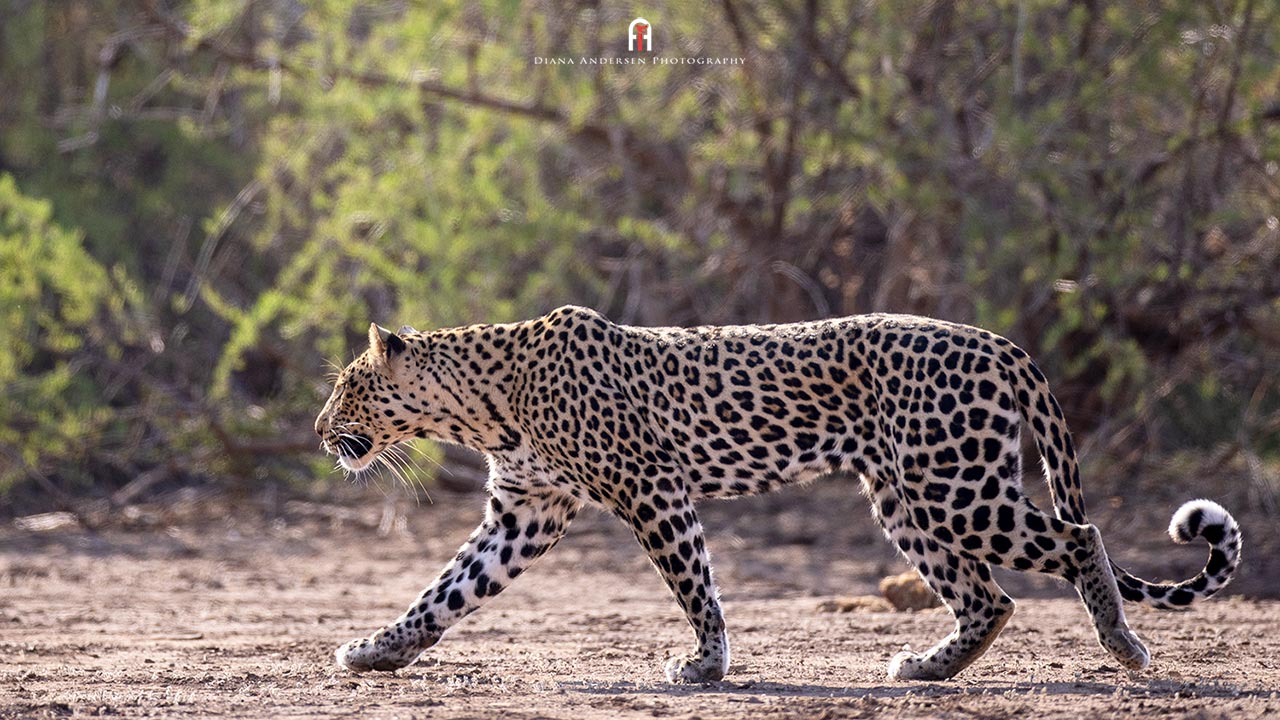
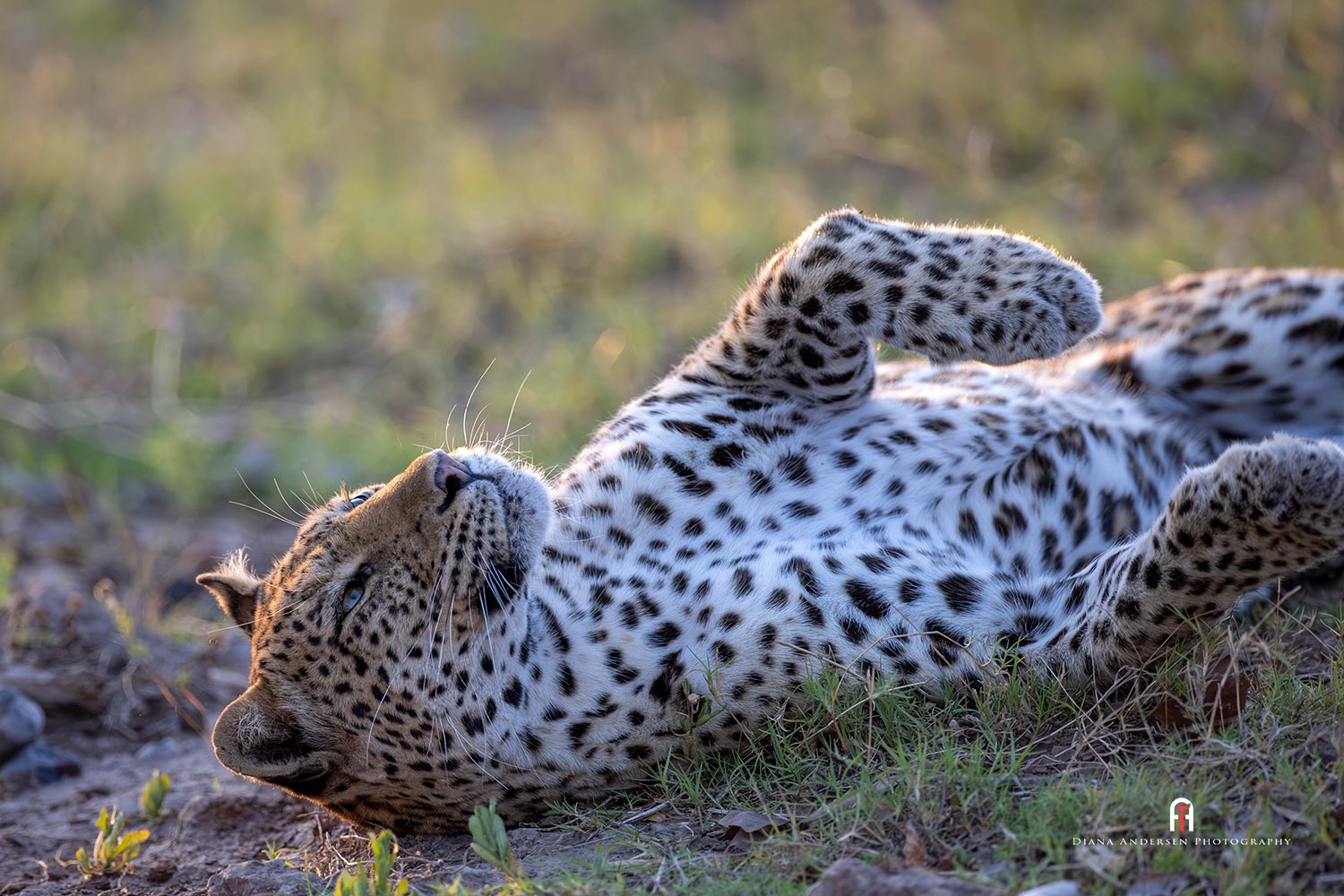
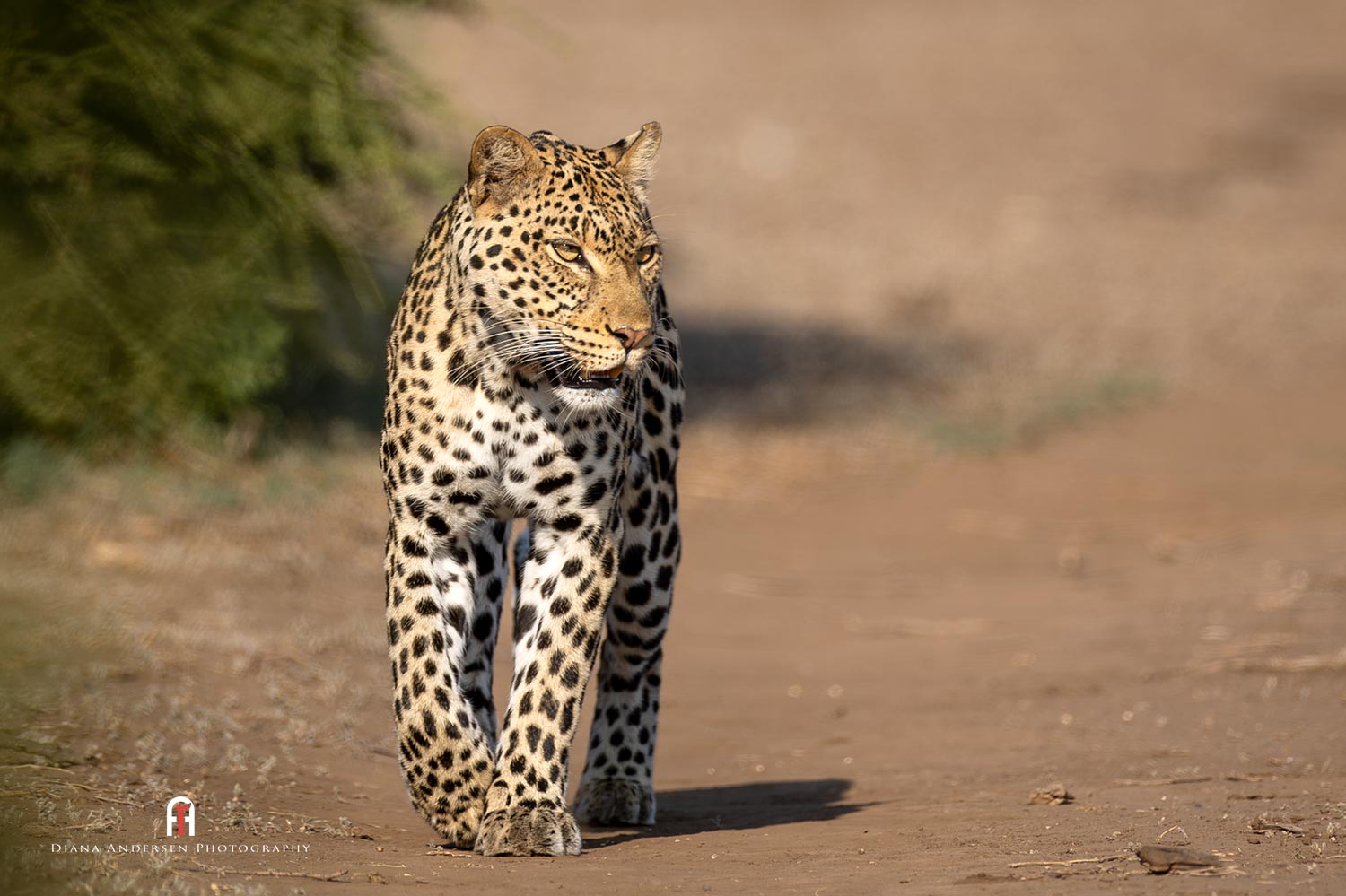
For visitors interested in safaris in South Africa, the Sabi Sands Nature Reserve is widely regarded as the best location to observe leopards. It is a private game reserve that shares its unfenced boundary with Greater Kruger National Park. Sightings of these magnificent animals are frequent, and the area has a high leopard density. Guides here know and recognise individual leopards, their territories, and their habits, making encounters a little more predictable.
Because Sabi Sands is a private game reserve, game drives are restricted to visitors staying at one of the lodges, so sightings are less crowded than in the adjacent Greater Kruger area. Additionally, leopards in the area are habituated to vehicles and visitors, which often leads to better sightings and photographic opportunities, as the cats are less likely to retreat into the bush when approached.
Kenya and Tanzania
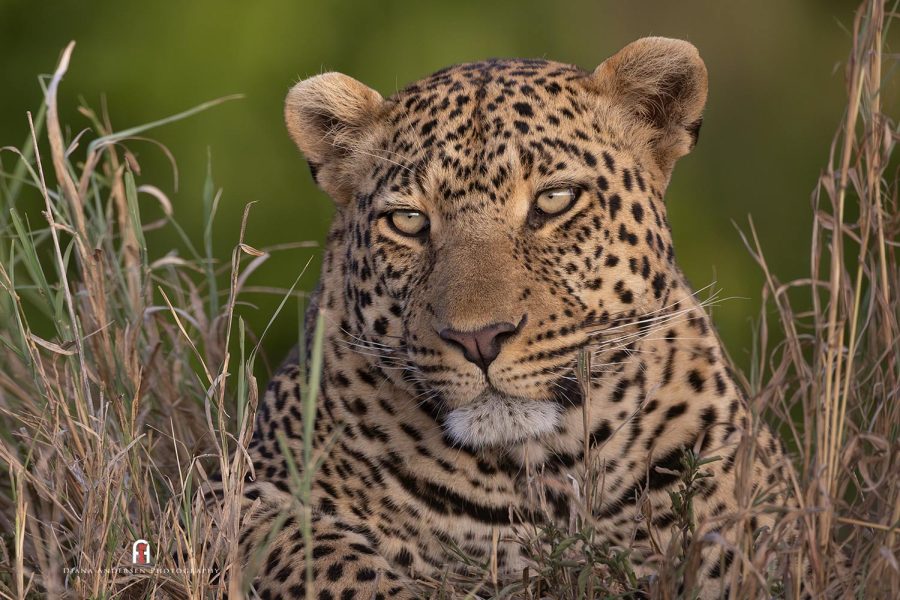
If you're planning a trip to Kenya or Tanzania, you'll have a great chance of seeing leopards, with about 75% of visitors spotting one on safari. While some areas are vast, like the open savannahs of the Masai Mara and Serengeti, certain locations boast higher leopard populations, enhancing your chances of seeing these magnificent animals.
Tanzania's Seronera Valley is particularly known for excellent leopard sightings, and the Ngorongoro Crater offers good chances to see all of the Big Five.
In Kenya, dense riverine forests along the Mara and Talek rivers offer excellent leopard-spotting opportunities. However, if you're particularly eager to see leopards, the private conservancies adjacent to the Masai Mara National Reserve offer the best chances. These conservancies limit vehicle numbers and let guides drive off-road, making it easier to spot these elusive cats.
Laikipia County in Kenya, known for its private conservancies, is also home to Africa's only black leopards, a unique melanistic colour mutation. The most famous individual is 'Giza', a female leopard seen regularly and quite habituated to safari vehicles.
- View Images
Seeing Leopards at Night
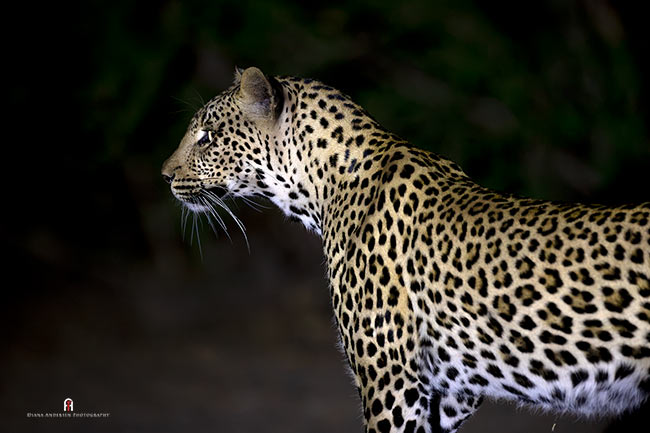
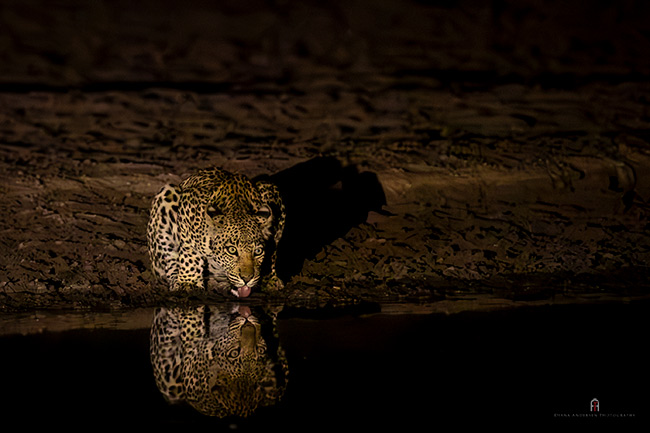
Most visitors miss the best time to see these nocturnal cats. While they do hunt during the day, they are far more effective at night, when their exceptional eyesight gives them an advantage. You can definitely see them at night, but you need to choose your destinations wisely. Many major safari destinations permit night drives, but they are strictly regulated and guided by professionals, with no self-drive options. Night drives are more common in private game reserves than in national parks, but Zambia is particularly renowned for excellent night leopard sightings within parks like South Luangwa and Kafue.
Another option for photographers is to use night hides, where they can spend the night in an underground hide next to a waterhole illuminated at night. Locations with regular night leopard sightings include Shompole Wilderness and Lentorre, both in Kenya's Rift Valley, as well as Zimanga Game Reserve in South Africa.
While these locations are among the best for spotting leopards, I've also encountered them in reserves where they are less common. Sometimes, it's simply luck. Observing these beautiful, iconic cats can be addictive, and many photographers travel to Africa specifically to see and photograph leopards. If that's your goal, choose the right location and season!
- The Ultimate Guide to Planning an African Safari
- Which Country is Best for Safari?
- Where to See the Big Five in Africa?
Share On
Bespoke Safaris
Let us help you plan your ultimate safari adventure!
Botswana Photo Safari
Join Diana on an unforgettable photography adventure to Mashatu Game Reserve and Chobe in Botswana, where vast landscapes, dramatic sunsets, and incredible wildlife create the perfect canvas for your camera.
- Learn More
Zambia Photo Safari
Step into the wild and capture Africa at its most spectacular on an exclusive photography tour to South Luangwa, Zambia, led by Diana Andersen.
- Book Now