What is a Bespoke African Safari?
For many visitors, an African safari is the trip of a lifetime. But choosing the right safari can be overwhelming, especially when deciding which country, region or camp offers the best experience. The key question is: should you choose a pre-made package with a set departure date, or customise your own safari—allowing you to explore Africa your way?
Bespoke African safaris offer the most flexible way to enjoy the experience, letting you choose your destinations, how long you stay in each, and your comfort level. Other options include private guides and vehicles, and unique experiences. Helicopter or hot air balloon rides over wildlife areas, photographic hide visits, walking safaris, boating, and trekking are all potential additions to a bespoke safari.
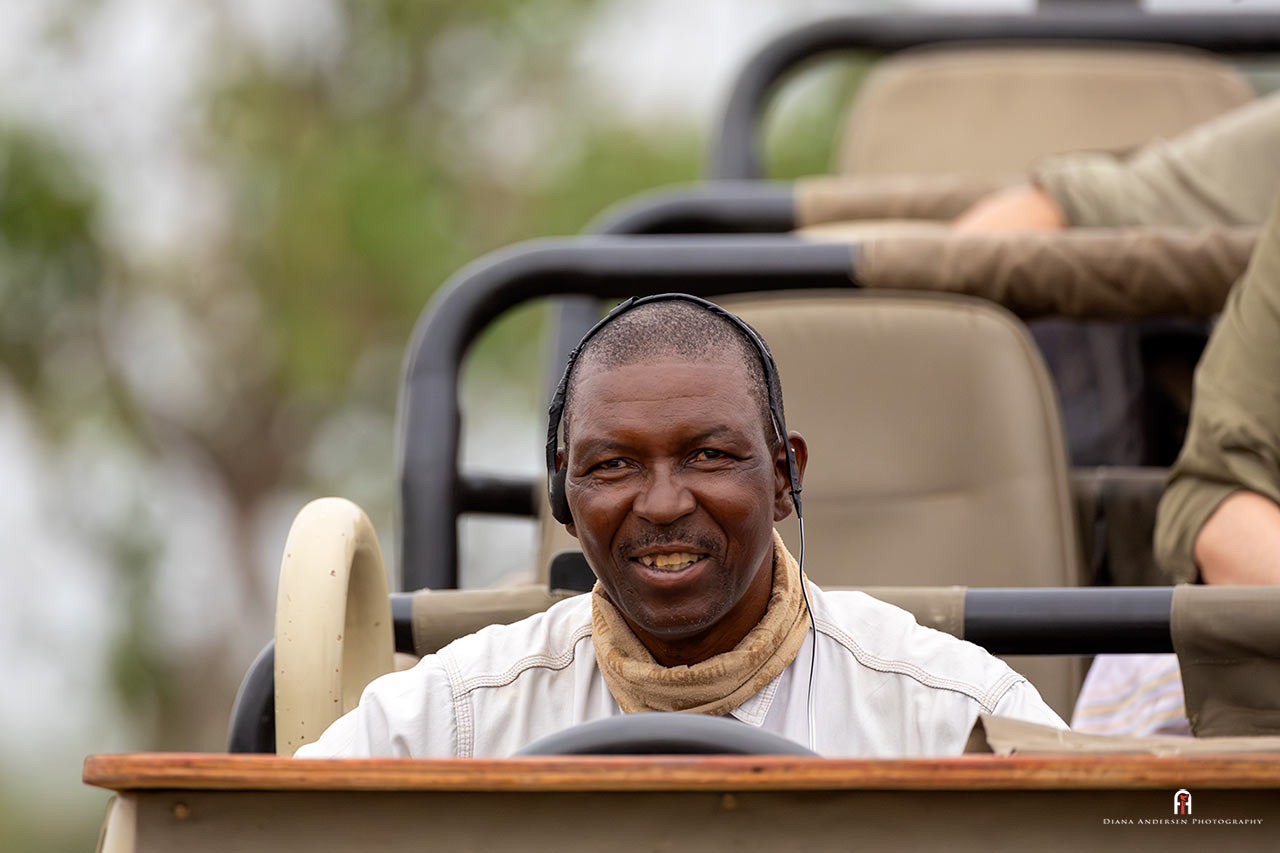
Can you create your own safari itinerary?
Yes, you can, but the process can be complicated if you're not familiar with how the safari industry operates. You can certainly contact individual camps and lodges, many of which have properties in multiple countries or regions within a single country. They can help you create an itinerary, typically using their own camps or partnering with other providers under reciprocal agreements. However, you can't be sure that they are accurately describing their offerings. They are selling a product and will naturally present it in a favourable light to encourage you to visit.
Travel agents can arrange trips to multiple locations, but you also can't be sure they have personal experience with the camp or safari provider. I have met many travel agents on familiarisation trips in Africa, which let them experience the camp. However, they usually stay only one night, so their personal knowledge is often limited, if any.
Do Your Research!
To begin, talk to people who have visited, read reviews, and think about what you hope to see on your trip. Keep in mind that you should take reviews with a grain of salt. The issue often lies in the reviewer's individual experience. For instance, visitors on large-group budget bus tours may rate their first visit 5 stars after seeing only a small portion of Africa's wildlife. In contrast, I would probably rank it a 1-star experience.
After experiencing close encounters in private game reserves, often in the only vehicle present, your expectations of what makes a great safari will rise a notch or two! Private game reserves usually limit the vehicles allowed at a sighting to three or four, so you can end up being the only people at a fantastic wildlife sighting.
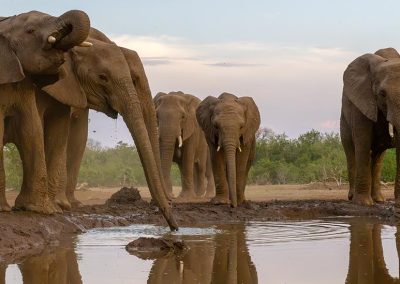
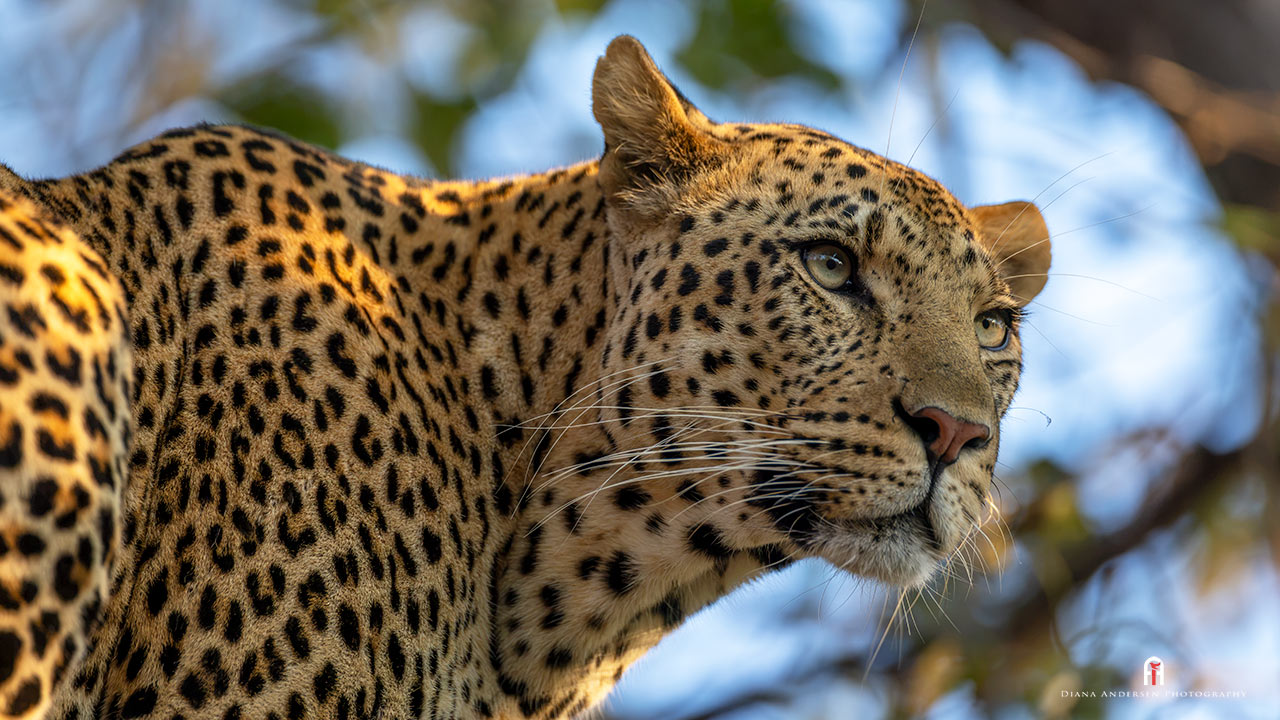
I have visited reserves where my guides have found up to four leopards in one morning, and I have seen three hundred elephants at a waterhole in one afternoon. While these experiences were extraordinary and not something you see every day on a safari, some fantastic locations offer remarkable wildlife sightings. Knowing where to go matters!
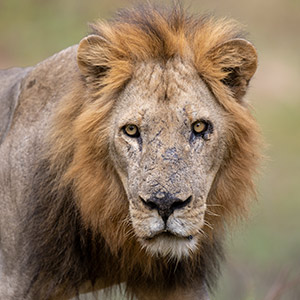
Zambia Photo Safari
Step into the wild and capture Africa at its most spectacular on an exclusive photography tour to South Luangwa, Zambia, led by Diana Andersen.
Bespoke Safaris
Let us help you plan your ultimate safari adventure!
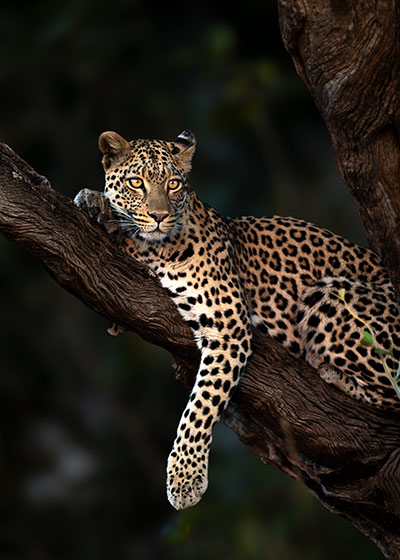
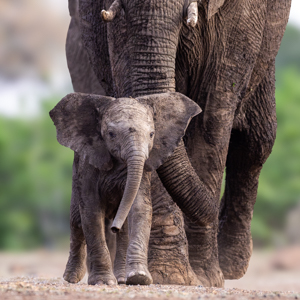
Botswana Photo Tour
Join Diana on an unforgettable photography adventure to Mashatu Game Reserve and Chobe in Botswana, where vast landscapes, dramatic sunsets, and incredible wildlife create the perfect canvas for your camera.
Understanding Your Limitations
Age, Fitness and Health
People of all ages enjoy safaris in Africa, but seniors make up a significant portion of safari-goers. Many choose to embark on this adventure after retirement to fulfil a lifelong dream. So, when is someone too old to go on safari? There really isn't a definitive answer, as it depends entirely on the individual fitness of the guest. Most of my guests have ranged from 50 to 80 years old, and all have thoroughly enjoyed their experience. That said, know your own limitations and be realistic. Safari vehicles are built tough to navigate difficult terrain, particularly in private game reserves where off-roading to get closer to animals is permitted. If you have back or hip pain, this may be too painful.
Certain health conditions that cannot be managed in remote locations, or that may increase your health risks, should prompt you to reconsider going on a safari. Many spectacular destinations are in isolated areas with no major hospitals nearby. Even if medical evacuation by plane or helicopter is available, it may take too long to reach the medical care you need. Another consideration is that many providers require guests to show proof of travel insurance, including medical evacuation coverage, before accepting a booking. The older you get, the more difficult it can be to obtain affordable travel insurance, particularly with pre-existing medical conditions.
Managing Personal Fears on Safari
Bush flights also reach many great safari locations, so if you are afraid of flying, some safari destinations may not be for you. Some locations offer very close wildlife encounters, like hippos and elephants in camp, or predators passing close to safari vehicles. Walking safaris and mokoro rides can also lead to close encounters, so you need to be confident you can cope.
A good bespoke safari planner should discuss these issues with you and guide your choices accordingly. For families considering this type of safari, it’s also essential to ensure children can stay calm, quiet, and follow guidelines. Some camps don’t allow children for this reason.
What are the Best Places to Visit on my Bespoke African Safari?
Safari and individual camp prices can vary significantly. Higher prices don’t always mean a better wildlife experience. The most popular locations aren’t necessarily the best either; they may simply benefit from better marketing or have been in business longer. In contrast, more remote locations recently developed for the safari industry can often offer a better, more private, and more authentically African experience than well-established areas. However, if you want luxury, the options are virtually limitless!
Another consideration is which animals you want to see and what other experiences you want on your bespoke African safari itinerary. Seasonal changes in Africa can significantly affect your chances of seeing certain animals. There is no point in choosing the low season because it's cheaper, then complaining that you haven't seen many animals. Everything in the safari industry revolves around wildlife, and the low season is called that for a reason! Wildlife disperses when water and food are plentiful, so game viewing becomes less reliable. The green season offers excellent reasons to visit Africa, especially for photographers, but you need to adjust your expectations.
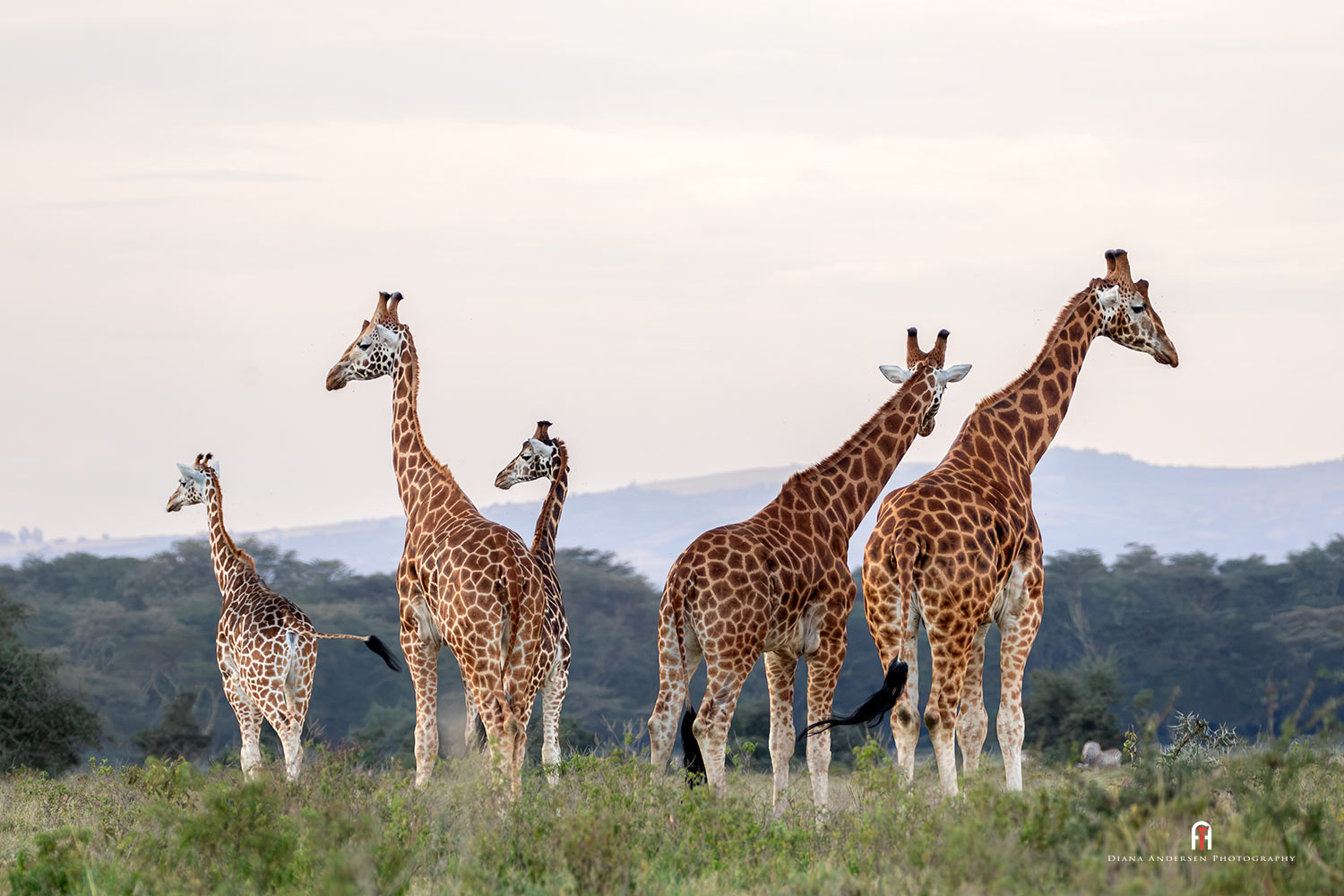
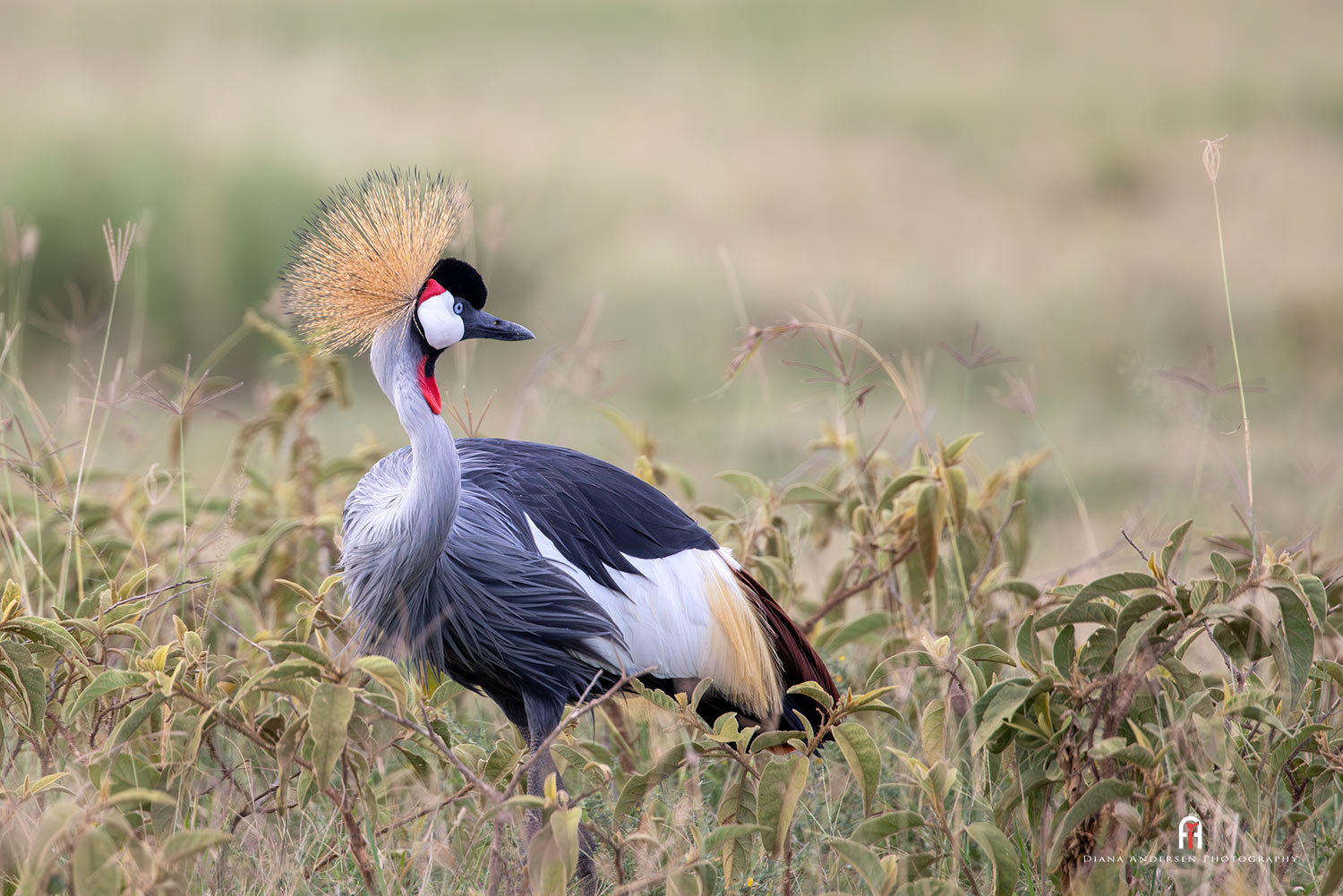
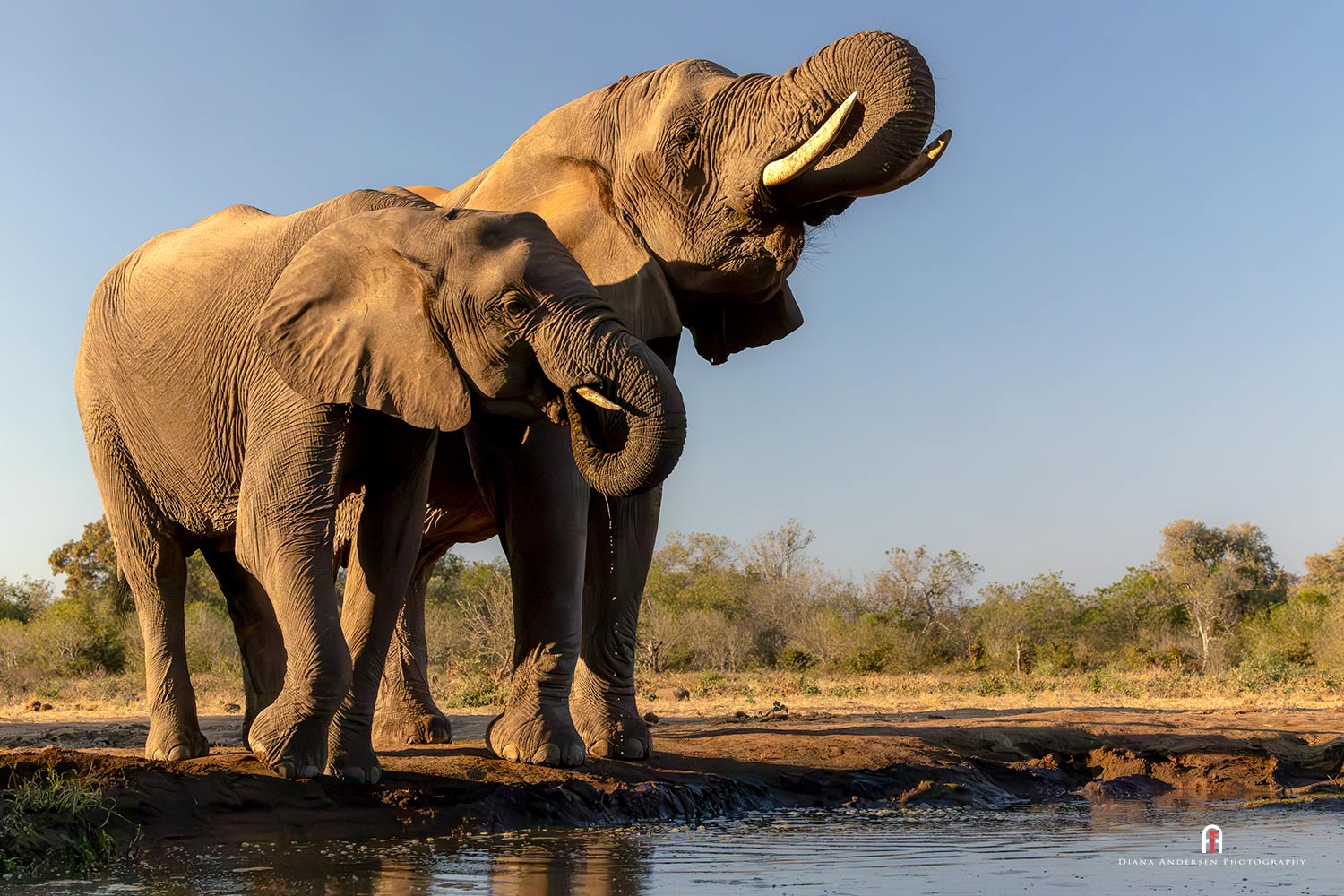
Wildlife varies significantly by location. Some places are ideal for viewing leopards, elephants or rhinos, while others are not. Some destinations offer the chance to see the Big Five, but many amazing locations don't. If you want to witness events like the Great Migration or see flamingos on Kenya's soda lakes, you'll need to include those specific destinations in your safari itinerary. Africa's diverse experiences keep visitors returning year after year because you can't cover it all in one safari itinerary, bespoke or otherwise!
- Best Place to See Leopards in Africa
- Best Place to See Rhinos in Africa
Reaching Your Safari Destinations
One of the biggest challenges when planning your own safari is arranging transportation between locations. Smaller camps, usually with only four to eight chalets, tents, or villas, offer a more personal, private experience. However, securing a reservation during the high season can be quite competitive. The main challenge is finding accommodation at each destination on consecutive dates, which can feel like juggling. Additionally, you need to arrange transportation between different camps. Travelling within the same area, such as South Luangwa in Zambia, is generally straightforward, but moving between areas in different countries or far apart can be more challenging.
The safari transport industry is well established and, for the most part, reliable. However, scheduling is very fluid. Often, you won't know your flight departure time until late the day before. This also means you won't know when your transport guide will collect you from your lodge. Most of the time, things work out well. Lodges usually do their best to get you to your destination on time, especially if you have a scheduled domestic, regional, or international flight. However, it's not advisable to schedule transfers too tightly. It's better to have some extra time at the airport than to risk missing your connecting flight.
If your safari includes border crossings, timing is even more critical, as border posts can be slow in processing travellers. They also have strict closing times, so if you are transferring by road and experience delays, you can find yourself stuck at the border. There may also be no overnight accommodation close to the border post.
How Long Should a Safari Be?
While there is no definitive answer, several factors can influence your choices. Budget will undoubtedly limit many, as safaris can be expensive. Typically, the only way to save money on a longer safari is by maximising your international airfare by extending your stay. That said, many camps and lodges offer significant savings for long stays (four to seven nights), and camp combinations if they have more than one property in their portfolio. Other offers include stay 3 and get the 4th night free.
I prefer to avoid moving camp too frequently because it doesn't let you fully experience the area in just one or two nights. Ideally, I like to stay at least three nights at any given camp. This duration gives your guide two full days to show us what the area has to offer. With only one or two nights, the experience feels rushed, and I end up spending a lot of time repacking my bag for the next move.
Safaris can be exhausting, so spending too long on one can diminish the experience. I usually plan tours to last 9 to 12 nights, with the option to extend by 3 additional nights at a nearby location. Most guests feel tired after a couple of weeks, especially if they have long international flights back home. That said, age is a consideration, so you can make a safari as long as you want, as long as you are physically up to it and can afford it. Whatever your choices are, by opting for a bespoke African Safari will experience Africa the way you want to and you won't regret it!
Africa Your Way!
Let us plan a custom-made, private safari holiday in Africa around your interests, budget, and travel style, rather than a fixed group itinerary.
Bespoke Safaris
Let us help you plan your ultimate safari adventure!
Botswana Photo Safari
Join Diana on an unforgettable photography adventure to Mashatu Game Reserve and Chobe in Botswana, where vast landscapes, dramatic sunsets, and incredible wildlife create the perfect canvas for your camera.
- Learn More
Zambia Photo Safari
Step into the wild and capture Africa at its most spectacular on an exclusive photography tour to South Luangwa, Zambia, led by Diana Andersen.
- Book Now
Share On